
The most complete, foreigner-friendly guide to pregnancy, prenatal care, and childbirth in Korea.
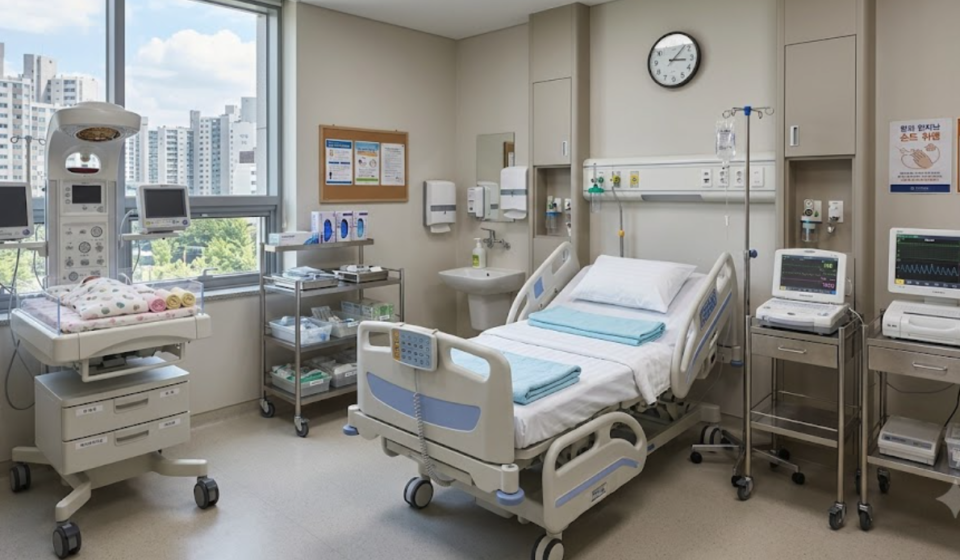
Korea has one of the most advanced maternity care systems in the world.
Foreigners living in Korea often say the pregnancy and delivery experience is safe, organized, and highly medicalized, but also very different from their home country.
This guide explains how pregnancy care works in Korea, what tests you need, how to choose a hospital, delivery options, costs, and what foreigners should prepare.
🧭 Why Korean Maternity Care Feels Different for Foreigners
✔ 1. Very frequent prenatal check-ups
Korean hospitals check mothers every 2–4 weeks.
✔ 2. Advanced ultrasound technology
Most clinics provide high-resolution ultrasound at almost every visit.
✔ 3. Highly medicalized system
Doctors lead the entire pregnancy process, not midwives.
✔ 4. Clear scheduling & structure
Korea follows a strict prenatal care timeline.
✔ 5. Affordable compared to US/EU
Government support reduces costs significantly.
🏥 Types of Pregnancy Care Facilities in Korea
⭐ 1) OB-GYN Clinics (산부인과)
- Most common choice
- Frequent check-ups
- Ultrasound every visit
- English support varies
⭐ 2) General Hospitals (종합병원)
- More equipment
- More specialists
- Higher cost
- Better for high-risk pregnancies
⭐ 3) University Hospitals (대학병원)
- Best for complicated pregnancies
- Long waiting times
- Higher cost
⭐ 4) Postpartum Care Centers (산후조리원)
Korea’s famous “Joriwon” system
- 1–2 weeks stay after birth
- Baby care + mother recovery
- Meals + massage + medical monitoring
- Very popular among foreigners
📋 Step-by-Step: Korean Prenatal Care Timeline
1st Trimester (Weeks 1–12)
Tests include:
- Blood test
- Ultrasound
- Hormone levels
- Genetic screening (optional)
- Thyroid test
- Urine test
Cost: ₩80,000–₩200,000
2nd Trimester (Weeks 13–27)
Tests include:
- Detailed anatomy scan
- AFP test
- Gestational diabetes test
- Cervical length check
- Fetal growth monitoring
Cost: ₩100,000–₩250,000
3rd Trimester (Weeks 28–40)
Tests include:
- Fetal heart monitoring
- Growth ultrasound
- Group B strep test
- Delivery planning
- Hospital registration
Cost: ₩100,000–₩200,000
👶 Delivery Options in Korea
⭐ 1) Natural Vaginal Delivery
Most common
Cost: ₩1,000,000–₩2,500,000
⭐ 2) Epidural Delivery
Very common in Korea
Cost: ₩200,000–₩400,000 extra
⭐ 3) Cesarean Section (C-Section)
More common than in Western countries
Cost: ₩2,000,000–₩4,000,000
⭐ 4) Water Birth / Natural Birth Centers
Rare in Korea
Limited hospitals offer this
Cost varies widely
💰 Pregnancy & Delivery Cost Breakdown (Foreigners Edition)
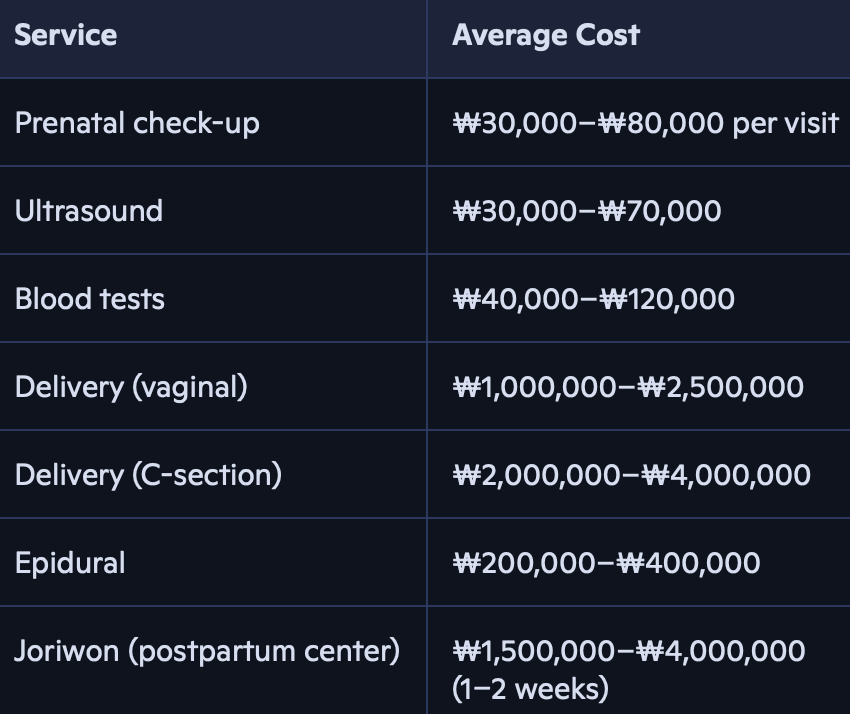
Compared to US prices ($10,000–$30,000),
Korea is much more affordable.
⚠️ Red Flags Foreigners Should Avoid
✔ Clinics with no English support
✔ Hospitals that push unnecessary tests
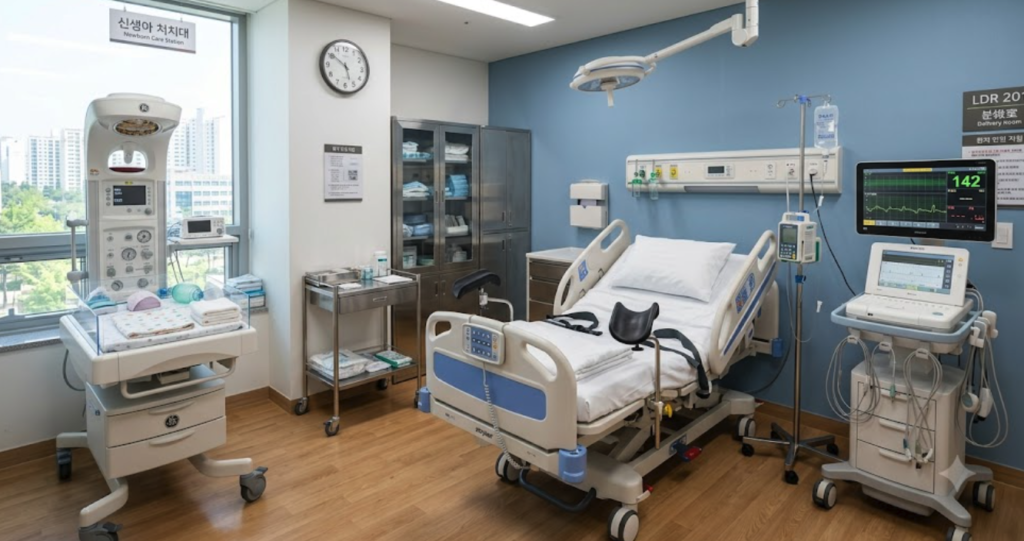
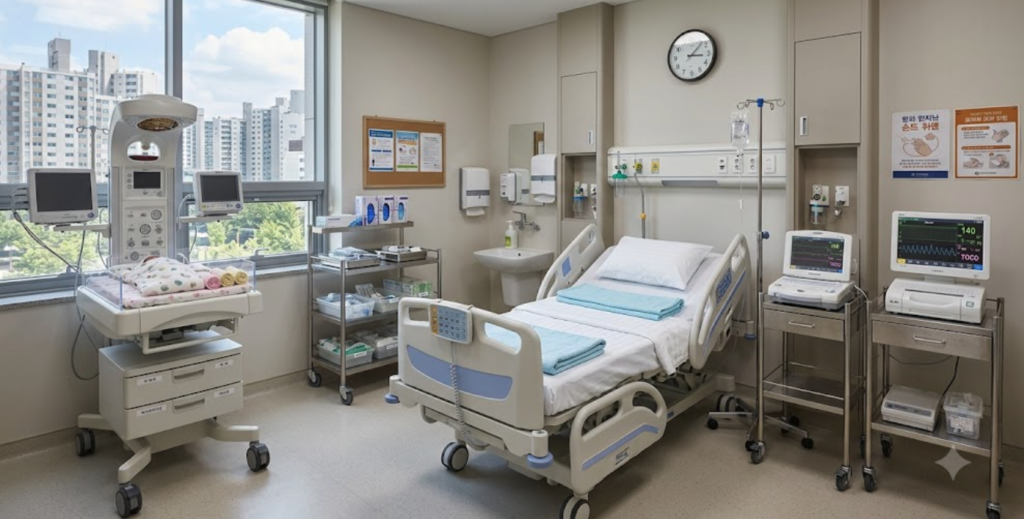
✔ No emergency delivery room
✔ No neonatal care unit
✔ Very cheap Joriwon (low quality)
✔ No 24-hour delivery team
🎯 How Foreigners Should Prepare for Pregnancy in Korea
✔ Choose a hospital early (Week 8–12)
✔ Ask about English support
✔ Check insurance coverage
✔ Prepare maternity documents
✔ Book postpartum care center early
✔ Learn basic Korean medical terms
✔ Arrange transportation for delivery day
🧳 After Delivery: What Happens Next?
✔ Baby registration
Foreigners must register the baby at:
- Hospital
- Local district office
- Immigration (for visa)
✔ Postpartum care center stay
1–2 weeks
Includes:
- Baby care
- Mother recovery
- Meals
- Breastfeeding support
✔ Follow-up visits
Mother: 2–6 weeks after delivery
Baby: 1 week, 1 month, 2 months, etc.
⭐ Official Resources
- Korea Medical Tourism Info
- Korean Obstetrics & Gynecology Association
- Korean Postpartum Care Center Directory