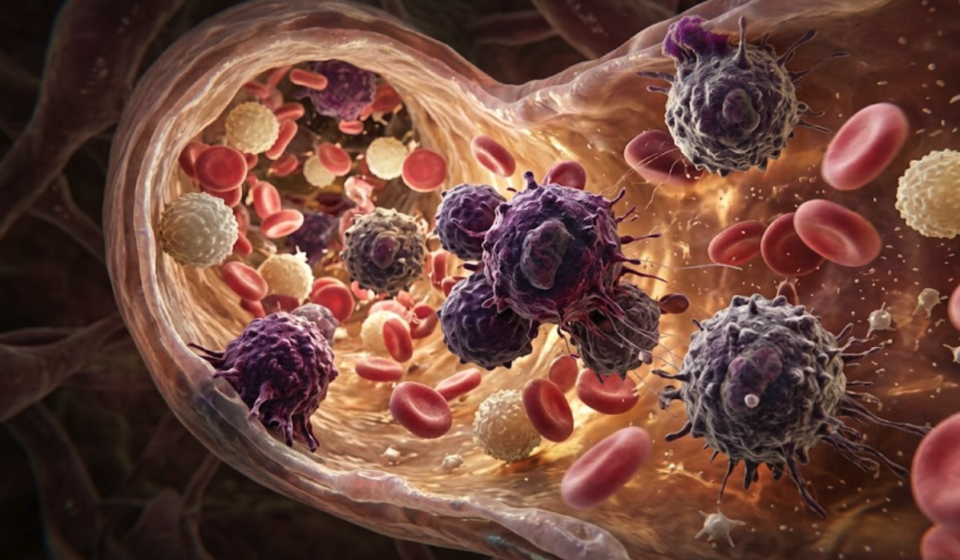

Persistent Fatigue and Weight Loss: Early Warning Signs of Cancer You Shouldn’t Ignore
Cancer remains one of the most feared diseases worldwide.
Despite major advances in medicine, hearing the word “cancer” still creates anxiety for many people.
One of the biggest misconceptions about cancer is that it appears suddenly.
In reality, cancer often develops slowly over many years, sometimes even decades, before symptoms become noticeable.
Many experts warn that early symptoms can be easy to overlook.
Unexplained weight loss, persistent fatigue, and changes in physical condition may sometimes be among the first signs that something is wrong.
At the same time, not all cancers produce clear warning signs.
This is why regular health screenings remain one of the most effective tools for early detection.
As cancer cases continue to rise globally, understanding how cancer develops and recognizing potential warning signs has become increasingly important for people of all ages.
What Exactly Is Cancer?
Cancer is not an outside invader that suddenly enters the body.
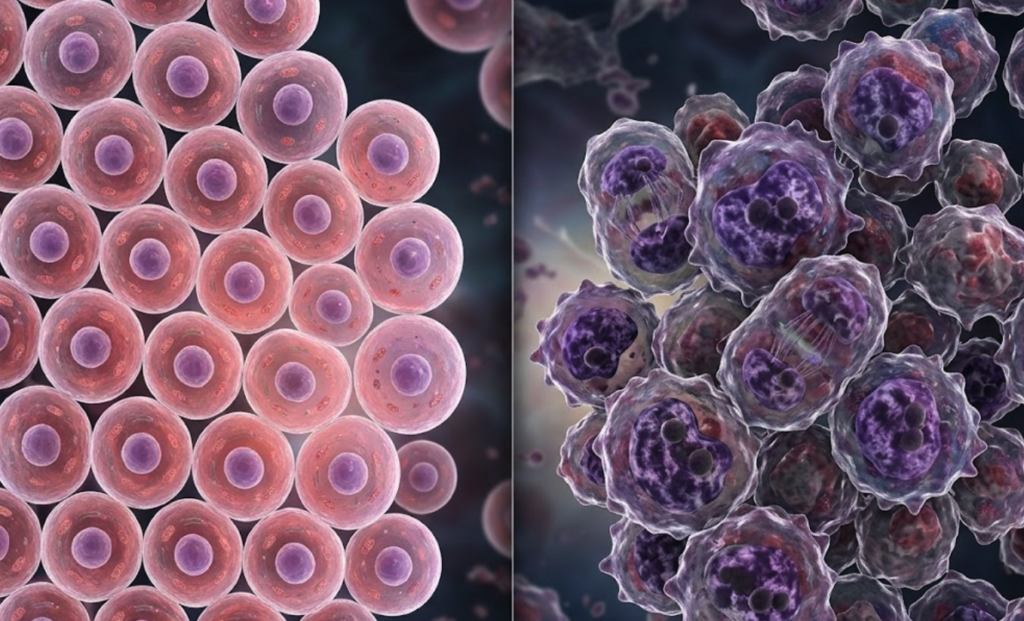
Instead, it begins with the body’s own cells.
The human body contains trillions of cells, each performing a specific role.
Under normal circumstances, cells grow, divide, and die according to carefully controlled biological rules.
Cancer develops when some cells stop following these rules.
Instead of dying when they should, these cells continue multiplying.
They may also invade nearby tissues and eventually spread to other parts of the body.
For this reason, many medical professionals describe cancer as a disease caused by cells that have lost their normal function and control mechanisms.
Because cancer cells originate from the body’s own tissues, they can be difficult for the immune system to recognize and eliminate.
This ability to hide from the body’s defense systems is one reason cancer remains such a challenging disease to treat.
Why Are Cancer Cases Increasing?
Many people feel that cancer is becoming more common than ever before.

Statistics from numerous countries support this observation,
but experts caution that the explanation is more complex than it appears.
One major reason is increased life expectancy.
Cancer risk tends to grow with age because genetic mutations accumulate over time.
As people live longer, they have more years during which cancer can develop.
Advances in medical technology also play a role.
Today, many cancer patients survive significantly longer than they did in previous generations.
Improved treatment options mean patients who were once unlikely to survive can now live for many years.
As survival rates improve and populations age,
the total number of people living with a current or previous cancer diagnosis naturally increases.
What Makes Cancer So Dangerous?
Contrary to popular belief, many experts argue that cancer itself is often not the direct cause of death.
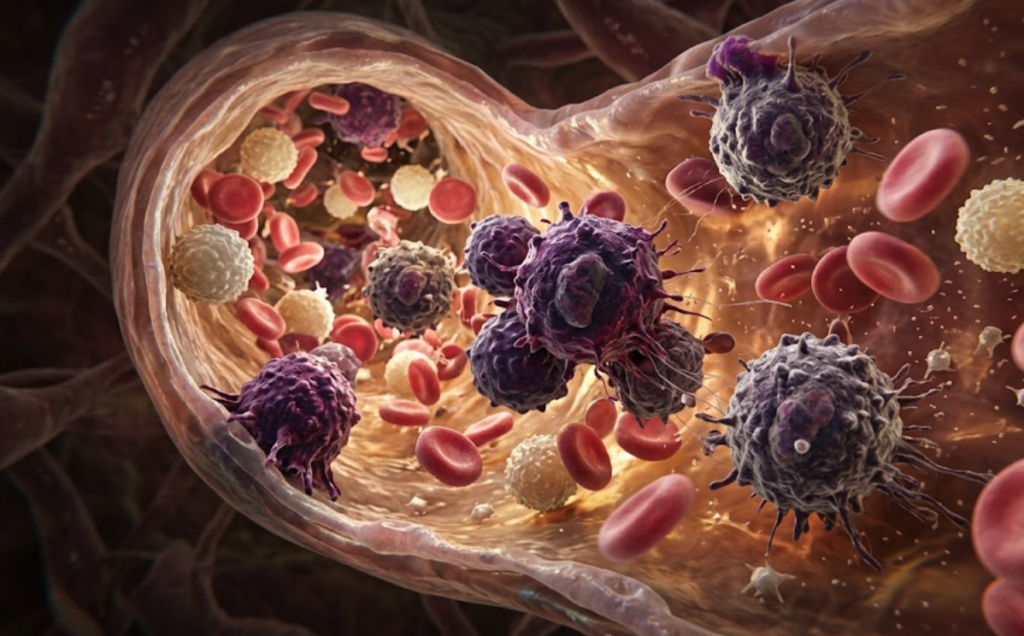
Instead, one of the greatest dangers is metastasis, commonly known as cancer spread.
Metastasis occurs when cancer cells break away from the original tumor and travel through the bloodstream or lymphatic system.
These cells can then establish new tumors in other organs.
This process makes treatment far more complicated because multiple areas of the body may become affected.
Different cancers often have preferred locations where they tend to spread. For example, some cancers frequently spread to the liver, while others commonly spread to bones or lungs.
Once metastatic disease develops, the impact on the body’s organs can become severe.
This is one reason why early detection remains so critical.
Early Warning Signs That Should Not Be Ignored
Many people search online for specific symptoms that can reveal cancer.
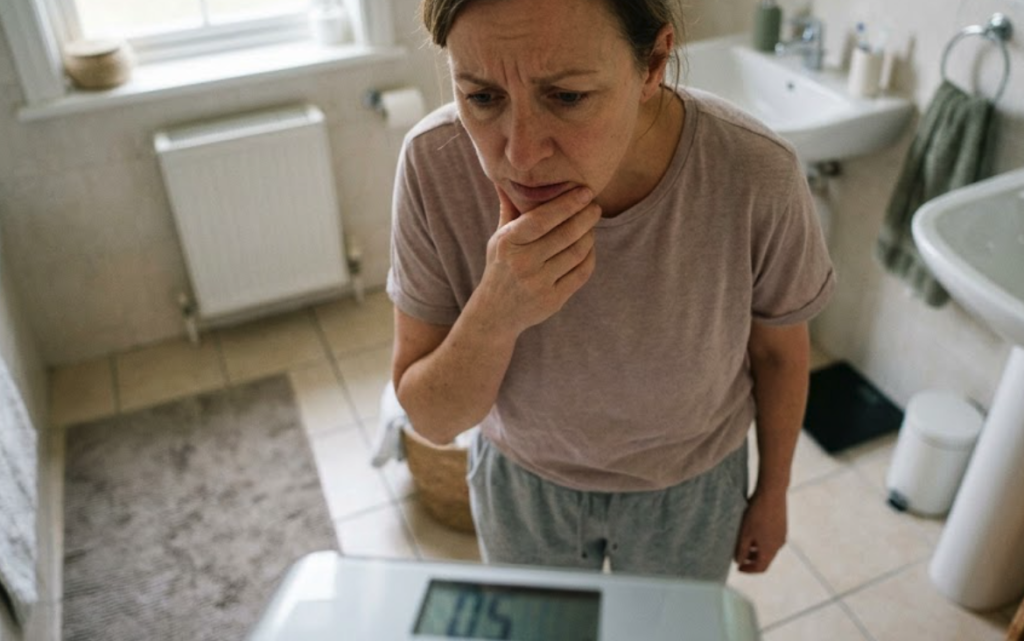
However, doctors often note that cancer symptoms vary significantly depending on the type and stage of the disease.
There is rarely a simple one-to-one relationship between a symptom and a specific cancer.
That said, certain warning signs deserve attention.
One of the most important is unexplained weight loss.
If a person loses a significant amount of weight without changing diet or exercise habits,
medical evaluation may be appropriate.
Persistent fatigue is another symptom doctors frequently mention.
Unlike ordinary tiredness, this type of fatigue does not improve significantly with rest or sleep.
Cancer cells can consume substantial amounts of energy as they grow.
As a result, some patients experience both weight loss and chronic exhaustion.
Still, having these symptoms does not automatically mean someone has cancer.
Many other medical conditions can produce similar effects.
The key message is that unexplained changes in health should not be ignored.
Cancer May Develop for Years Before Detection
One of the most surprising facts about cancer is how slowly it can develop.
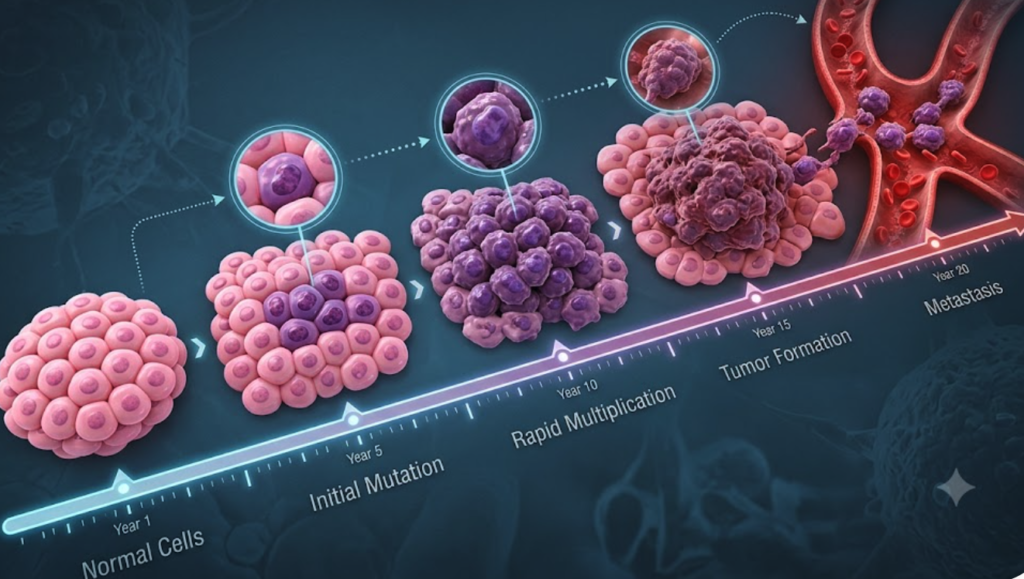
Some research suggests that certain cancers may begin years before they become visible on medical imaging or produce noticeable symptoms.
In some cases, the first abnormal cell may appear more than a decade before cancer is diagnosed.
This means a person may feel completely healthy while cancer develops quietly in the background.
By the time symptoms such as weight loss, pain, or bleeding appear, the disease may already have progressed significantly.
This is why screening tests remain so valuable.
They can identify abnormalities before major symptoms develop, giving patients a greater chance of successful treatment.
Why Are More Young People Being Diagnosed With Cancer?
In recent years, researchers have observed increasing rates of certain cancers among younger adults.

While genetics certainly influence cancer risk,
rapid increases over short periods suggest environmental and lifestyle factors may also contribute.
Several trends have received attention from health experts.
These include higher consumption of ultra-processed foods, increased sugar intake,
reduced physical activity, poor sleep quality, and rising obesity rates.
Modern lifestyles often involve long hours of sitting, limited exercise,
and frequent consumption of calorie-dense convenience foods.
Although no single food directly causes cancer, unhealthy lifestyle patterns can create biological conditions that may increase long-term risk.
Maintaining a healthy body weight, exercising regularly, and choosing balanced nutrition remain among the most widely recommended cancer prevention strategies.
What Should Patients Do After a Cancer Diagnosis?
Receiving a cancer diagnosis can be overwhelming.
Patients and families often experience uncertainty and emotional stress.
Medical professionals emphasize the importance of staying calm and relying on evidence-based information.
The internet contains enormous amounts of health content, but not all of it is accurate.
Patients are generally encouraged to work closely with qualified healthcare professionals rather than relying on unverified treatments or rumors.
Family members can provide meaningful support by helping with appointments, documenting medical information, and assisting with practical tasks.
Sometimes the most valuable support is simply helping patients navigate a difficult period with clarity and stability.
The Future of Cancer Vaccines
One of the most exciting developments in oncology is the emergence of cancer vaccines.

Unlike traditional vaccines that prevent infectious diseases, many experimental cancer vaccines are designed to help the immune system recognize and attack cancer cells.
Researchers analyze specific mutations within a patient’s cancer and create personalized treatments intended to reduce the risk of recurrence.
While these technologies are still developing, early research has generated optimism within the medical community.
Many experts believe cancer vaccines could become an important part of future cancer treatment strategies.
However, researchers also caution that cancer remains an exceptionally complex disease.
No single breakthrough is likely to eliminate cancer entirely.
The Most Effective Cancer Prevention Strategies
[Image 8]
While researchers continue searching for new treatments, many cancer prevention recommendations remain surprisingly simple.
Regular physical activity can help maintain a healthy body weight and support overall health.
Adequate sleep allows the body to recover and regulate important biological processes.
Balanced nutrition that emphasizes whole foods while limiting excessive consumption of highly processed foods may also contribute to long-term health.
Avoiding tobacco and limiting alcohol consumption are among the most strongly supported cancer prevention measures.
Equally important are regular medical checkups and age-appropriate screening programs.
Detecting cancer early remains one of the best ways to improve treatment outcomes.
Conclusion
Cancer does not appear overnight.
In many cases, it develops slowly over many years before becoming noticeable.
This reality makes early detection and healthy lifestyle choices critically important.
Unexplained weight loss and persistent fatigue are among the warning signs that should never be ignored, although they do not automatically indicate cancer.
As medical science continues to advance, treatments are improving, survival rates are increasing, and new technologies such as cancer vaccines offer hope for the future.
For now, one of the most effective strategies remains surprisingly simple: maintain healthy habits, pay attention to changes in your body, and participate in regular health screenings.