

How Korea’s modern medical system helps residents navigate digestive issues with speed, clarity, and science-driven care.
Gut health is one of the most important pillars of modern well‑being.
It affects digestion, immunity, mood, hormones, sleep, metabolism, and long-term health.
But in fast-paced urban environments like Seoul, digestive issues have become increasingly common.
Foreigners living in Korea often say:
“I finally understood my stomach issues after seeing a Korean doctor.”

Korea’s medical system offers fast diagnostics, modern treatment, and clear explanations, making gut care accessible and efficient for both locals and foreigners.
This article explores how Korea approaches gut health with precision, speed, and everyday practicality.
🌿 Why Digestive Issues Are So Common in Modern Korea
Korea’s lifestyle creates a unique digestive environment:
✔ Stressful work culture
✔ Fast eating habits
✔ Spicy and fermented foods
✔ High caffeine consumption
✔ Late-night meals
✔ Urban pollution
✔ Irregular sleep
✔ High alcohol intake
These factors contribute to:
- Gastritis
- Acid reflux
- IBS
- Bloating
- Indigestion
- Constipation
- Diarrhea
- Food sensitivities
- Microbiome imbalance
Korea’s medical system has adapted to diagnose and treat these issues quickly.
🌿 The Korean Gut Health Experience: Fast, Clear, and Organized
Foreigners often describe Korean digestive care as:
✔ Fast
✔ Affordable
✔ Modern
✔ Organized
✔ Easy to navigate
✔ Highly accurate
Korea blends gastroenterology, internal medicine, nutrition, and preventive care into a unified system.
🌿 How Gut Diagnosis Works in Korea
Korea uses a multi-step diagnostic system that prioritizes speed and accuracy.
🔵 1) Initial Consultation: Understanding Your Digestive Story
Doctors begin with:
- Eating habits
- Stress levels
- Sleep patterns
- Stool changes
- Pain location
- Food triggers
- Alcohol/caffeine intake
- Travel history
- Medication use
Korean doctors are trained to identify digestive patterns quickly.
🔵 2) Blood Tests
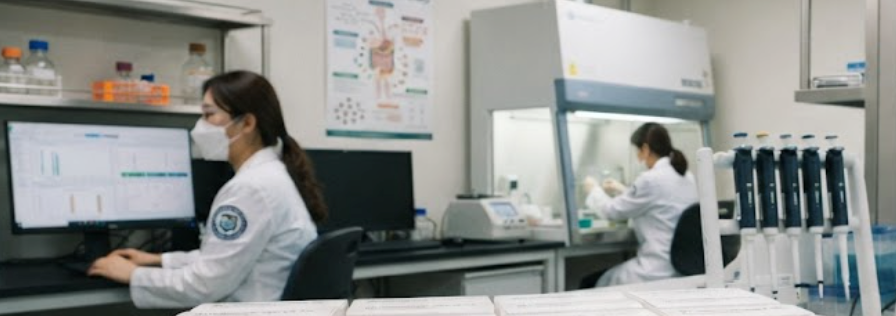
Common tests include:
- Inflammation markers
- Liver function
- Pancreatic enzymes
- Infection markers
- Helicobacter pylori screening
Results often return same day or next day.
🔵 3) Stool Tests
Used for:
- Infection
- Parasites
- Inflammation
- Microbiome imbalance
Korea’s stool testing is fast and highly accurate.
🔵 4) Ultrasound & Imaging
Korea uses modern imaging to evaluate:
- Liver
- Gallbladder
- Pancreas
- Intestines
- Abdominal organs
Ultrasound is extremely common and affordable.
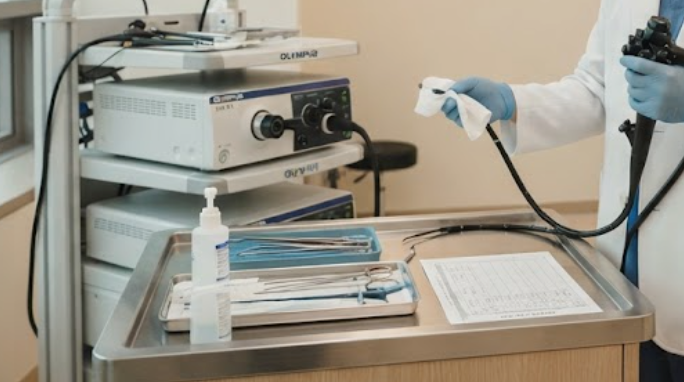
🔵 5) Endoscopy (Gastroscopy & Colonoscopy)
Korea is globally known for:
- Fast scheduling
- High accuracy
- Modern equipment
- Clear results
- Affordable pricing
Foreigners often say Korean endoscopy is the best they’ve ever experienced.

🌿 Common Digestive Conditions Treated in Korea
Korean clinics treat a wide range of gut issues:
✔ Gastritis
✔ Acid reflux
✔ IBS
✔ Functional dyspepsia
✔ Constipation
✔ Diarrhea
✔ Food sensitivities
✔ Microbiome imbalance
✔ Fatty liver
✔ Gallbladder issues
✔ Pancreatic inflammation
IBS and reflux are especially common among foreigners.
🌿 Treatment Options in Korea: Modern, Fast, and Effective
Korea offers a full spectrum of digestive treatments.
🔵 1) Medication
Common options include:
- Acid reducers
- Stomach protectants
- Antispasmodics
- Probiotics
- Anti-inflammatory drugs
- Antibiotics (when needed)
Korean pharmacies dispense medication in minutes, and prices are low.
🔵 2) Lifestyle-Based Treatment
Doctors emphasize:
- Stress management
- Sleep regulation
- Meal timing
- Food triggers
- Hydration
- Caffeine/alcohol reduction
Korea blends lifestyle medicine with clinical care.
🔵 3) Microbiome Treatment
Growing field in Korea.
Includes:
- Probiotics
- Prebiotics
- Dietary adjustments
- Fermented food guidance
- Microbiome testing
Korea is rapidly advancing in gut–immune research.
🔵 4) Endoscopic Treatment
For more serious issues:
- Ulcer management
- Polyp removal
- Biopsy
- Bleeding control
Korean endoscopy is known for precision and safety.
🔵 5) Liver & Metabolic Gut Care
Korea treats:
- Fatty liver
- Metabolic syndrome
- Insulin resistance
- Gut–liver axis issues
This connects gut health with hormone and metabolic care — perfect for your site’s existing topics.
🌿 Why Foreigners Prefer Korean Gut Care
Foreign residents often say Korea’s digestive system feels:
✔ Clear
✔ Efficient
✔ Modern
✔ Affordable
✔ Multilingual
✔ Science-driven
Benefits include:
- English-speaking doctors
- International hospitals
- Fast scheduling
- Modern equipment
- Clear explanations
- Affordable testing
- Easy follow-up care
Korea is one of the easiest countries for foreigners to receive gut care.
🌿 Costs: Gut Diagnosis & Treatment in Korea
Approximate prices (without insurance):
- Consultation: ₩20,000–₩40,000
- Blood tests: ₩20,000–₩60,000
- Stool tests: ₩30,000–₩70,000
- Abdominal ultrasound: ₩40,000–₩80,000
- Gastroscopy: ₩70,000–₩150,000
- Colonoscopy: ₩100,000–₩200,000
- Medication: ₩5,000–₩20,000
With insurance, many costs drop significantly.
🌿 Korea Helps You Build Everyday Digestive Health
Korea’s gut health system blends:
- Fast diagnostics
- Modern equipment
- Clear communication
- Affordable treatment
- Strong gastroenterology integration
- Lifestyle-based care
- Microbiome science
- Patient-centered design
For foreigners struggling with digestive issues, Korea offers clarity, comfort, and effective treatment — often faster than anywhere else.
Korea is not just a leader in endoscopy.
It is becoming a global leader in modern gut health care.
🔗Recommended Insight
For in‑depth interviews with Korean medical professionals, visit:
K‑Doctor Interview — https://kdoctorinterview.com