
For many foreign patients, anesthesia is the most frightening part of plastic surgery.
Questions like:
• “Is anesthesia safe in Korea?”
• “Will I wake up normally?”
• “Are Korean anesthesiologists qualified?”
• “What if something goes wrong?”
are extremely common.
The truth is:
Korea has many well-equipped clinics with highly trained specialists, advanced monitoring technology, and standardized medical protocols — but standards still vary from clinic to clinic.
This guide explains why Korea’s anesthesia system is exceptionally safe, and what foreign patients should know before undergoing surgery.
★ 1. Korean Anesthesiologists Are Highly Trained Specialists
In Korea, anesthesiologists must complete:
• 6 years of medical school
• 4 years of residency
• national board certification
• hospital-based training
• thousands of supervised anesthesia cases
This creates a medical environment where anesthesia is handled by true specialists, not general doctors.
Many countries allow:
• general practitioners
• cosmetic doctors
• minimally trained clinicians
to administer sedation. This also happens in Korea, so ask who will give your anesthesia.
★ 2. Korean Clinics Use Dedicated Anesthesiologists for Every Surgery
Well-run clinics typically have:
• a full-time anesthesiologist
• a dedicated anesthesia team
• emergency-trained staff
• monitoring specialists
This means the surgeon focuses on surgery,
while the anesthesiologist focuses 100% on your safety.
In some countries, the surgeon or nurse may administer anesthesia —
Ask the clinic whether these roles are separated.
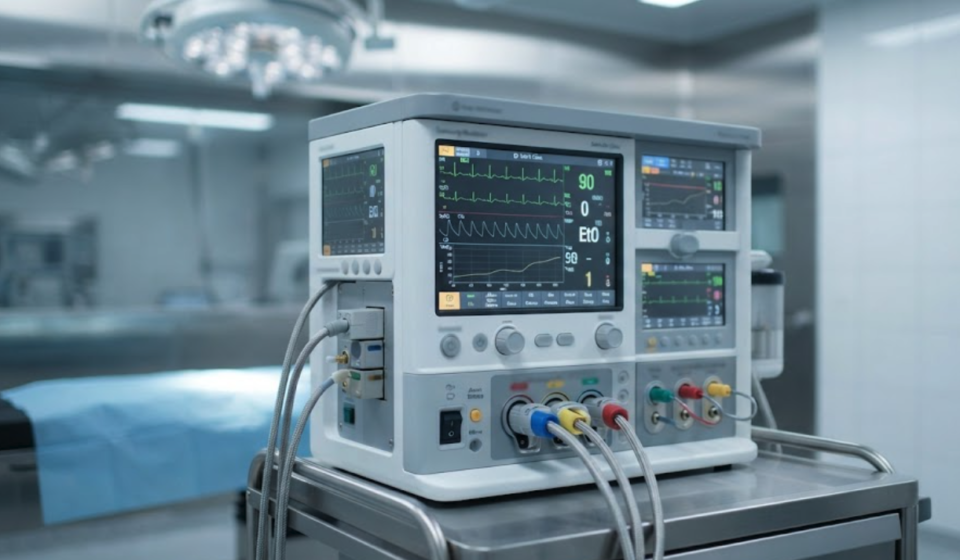
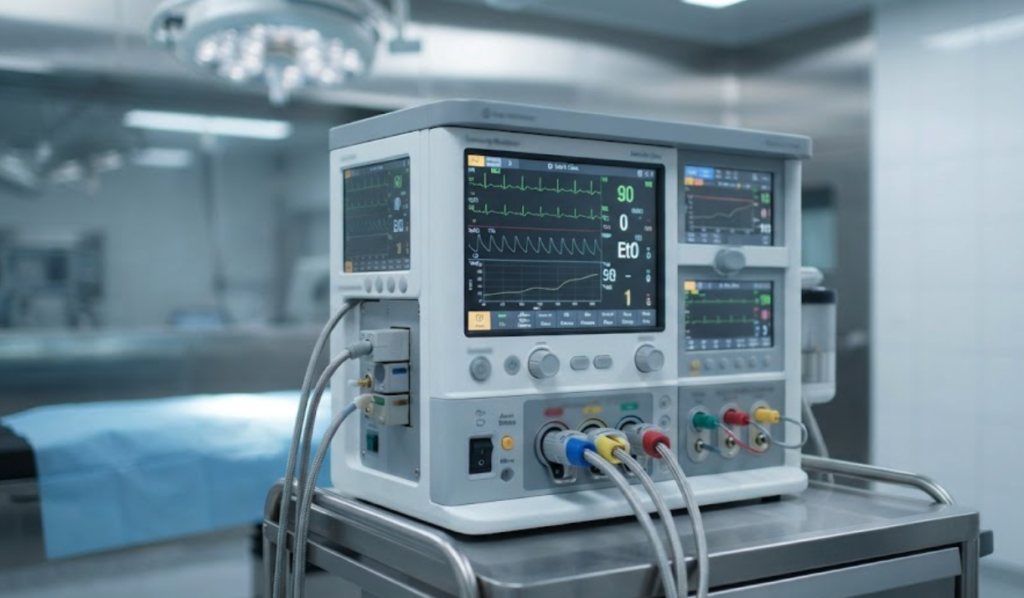
★ 3. Korea Uses Advanced Monitoring Equipment
Korean clinics use high-end monitoring systems such as:
• ECG (heart monitoring)
• SpO2 (oxygen saturation)
• blood pressure monitoring
• respiratory rate monitoring
• BIS (brain activity monitoring)
• CO₂ monitoring
• emergency ventilation systems
These devices allow anesthesiologists to detect even the smallest changes in your condition.
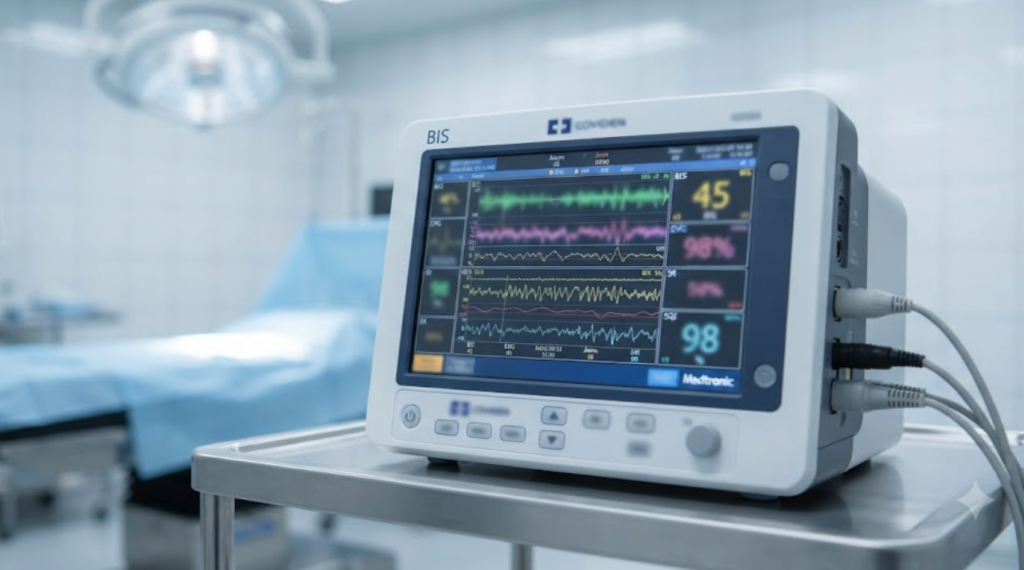
★ 4. BIS Monitoring: Korea’s Secret Weapon for Safe Sedation
Korea is one of the few countries where BIS monitoring is widely used.
BIS (Bispectral Index) measures:
• brain activity
• depth of sedation
• anesthesia level
This prevents:
• under-sedation
• over-sedation
• accidental awareness
• anesthesia complications
Foreign patients often say BIS monitoring makes them feel much safer.
★ 5. Korea Uses Government-Approved Anesthetic Drugs
Korean clinics use:
• anesthetics approved by Korea’s Ministry of Food and Drug Safety (MFDS)
• internationally certified medications
• premium-grade sedatives
• safe pain management drugs
No cheap or unregulated drugs are used.
★ 6. Korea Has Strict Anesthesia Regulations
Korean law requires:
• licensed anesthesiologists
• certified facilities
• emergency equipment
• anesthesia documentation
• patient monitoring
• safety protocols
Clinics that violate these rules face:
• heavy fines
• license suspension
• legal penalties
This strict regulation ensures consistent safety.
★ 7. Korea Performs Millions of Safe Anesthesia Cases Every Year
Korea has one of the highest plastic surgery volumes in the world.
This means anesthesiologists have:
• extremely high case experience
• familiarity with diverse patient types
• strong emergency response skills
• deep knowledge of sedation levels
High volume = high expertise.
★ 8. Korea’s Pre-Operative Testing System Is Extremely Thorough
Before anesthesia, Korean clinics often require:
• blood tests
• ECG
• chest X-ray
• CT scan (if needed)
• allergy check
• medical history review
These tests ensure anesthesia is safe for your body.
★ 9. Korea Uses Personalized Anesthesia Plans
Anesthesiologists adjust anesthesia based on:
• age
• weight
• medical history
• medications
• allergies
• previous surgeries
• anxiety level
• procedure type
This personalized approach reduces risk dramatically.
★ 10. Emergency Systems Are Always Ready
Korean clinics are required to have:
• emergency oxygen
• defibrillators
• airway management tools
• emergency medications
• rapid response protocols
Anesthesiologists are trained to respond instantly.
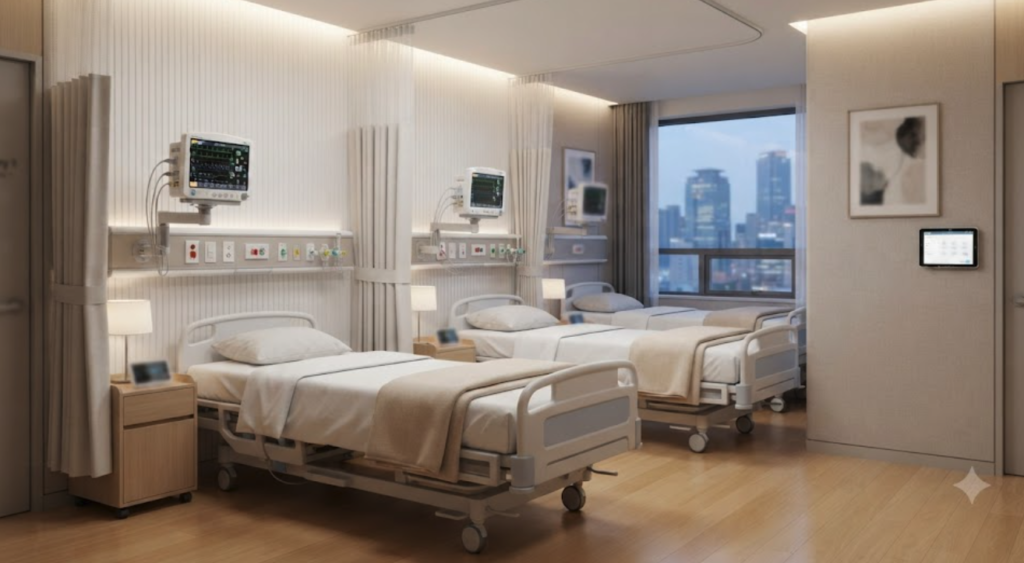
★ 11. Korea’s Recovery Rooms Are Highly Monitored
After surgery, patients are moved to:
• monitored recovery rooms
• supervised observation areas
• nurse-assisted recovery beds
Staff monitor:
• breathing
• consciousness
• blood pressure
• oxygen levels
• pain levels
Foreigners often say Korea’s recovery care feels “hotel-level.”
★ 12. Anesthesia Risks Are Never Zero
Because of:
• strict regulations
• advanced equipment
• highly trained anesthesiologists
• standardized protocols
• high case volume
Every anesthetic carries some risk. Ask how your clinic monitors patients and handles emergencies.
★ Final Summary
Korea’s anesthesia system is safe because of:
• highly trained anesthesiologists
• advanced monitoring equipment
• BIS brain monitoring
• MFDS-approved drugs
• strict regulations
• emergency readiness
• personalized anesthesia plans
• thorough pre-op testing
• high case volume
• structured recovery care
Foreign patients can lower their risk by choosing a clinic that clearly explains who gives anesthesia and how patients are monitored.
🔗 Additional Resources for International Patients
K‑Beauty Community (English)
Reliable English‑language information on Korean beauty, plastic surgery, and medical tourism.
https://en.kbeautycommunity.com
Korea Seoul Info (English)
A comprehensive hub for Seoul travel, medical tourism, and plastic surgery insights.
Related Posts

Discover more from KOREA MEDI HUB. COM
Subscribe to get the latest posts sent to your email.