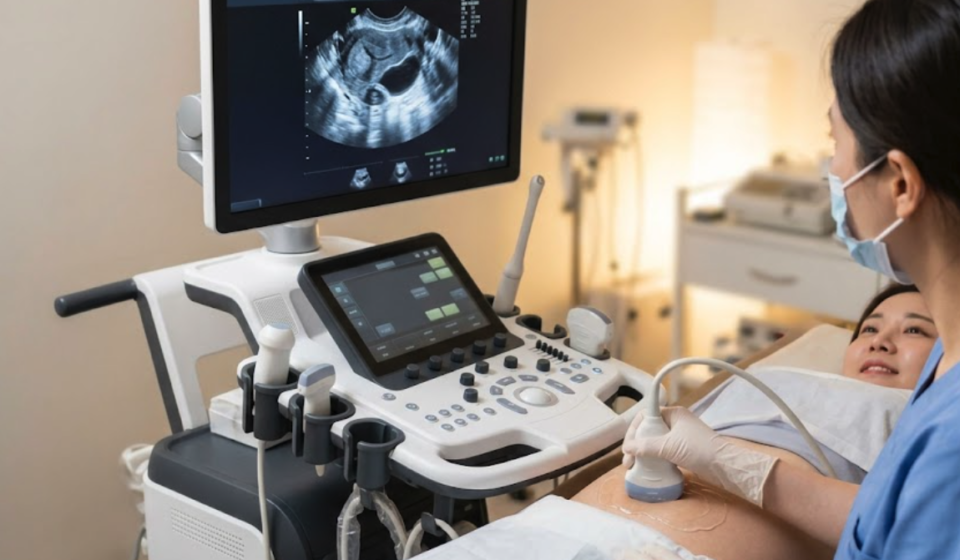
Korean Women’s Health & Gynecology Guide: PCOS, Endometriosis, and Menopause Care for Foreign Patients

Korea is widely recognized for its advanced women’s health and gynecology system, offering world-class diagnostic tools, evidence-based treatments, and highly trained specialists. While many foreign patients visit Korea for cosmetic procedures, an increasing number travel specifically for gynecological care—especially for conditions such as PCOS, endometriosis, infertility, menstrual disorders, and menopause management.
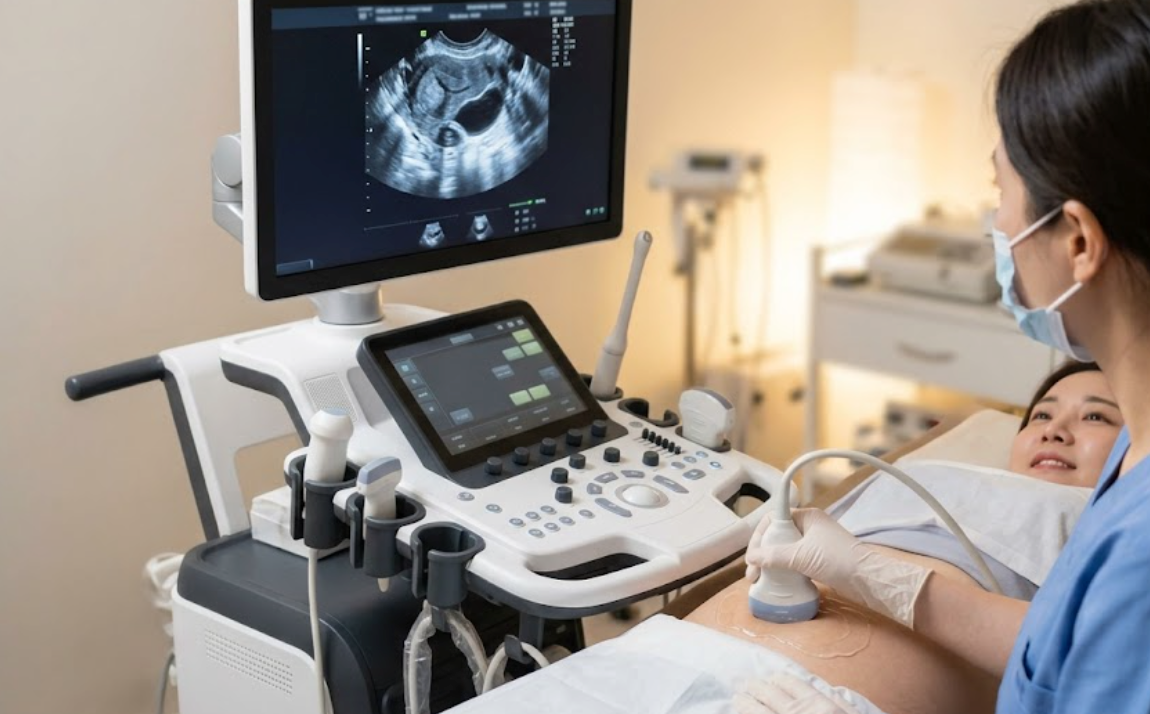
Korean hospitals and clinics provide a unique combination of modern medical technology, fast diagnosis, and personalized treatment plans, making Korea one of the most reliable destinations for women seeking comprehensive reproductive and hormonal care.
This guide explains how Korea treats major gynecological conditions, what foreign patients should expect, and why Korean women’s health services are considered among the best in Asia.
1. Why Korea Is a Global Leader in Women’s Health & Gynecology
Korea’s gynecology system is built on precision, early diagnosis, and advanced medical technology. Several factors contribute to Korea’s leadership in women’s health:
Advanced Diagnostic Tools
Korean hospitals use:
- High-resolution pelvic ultrasound
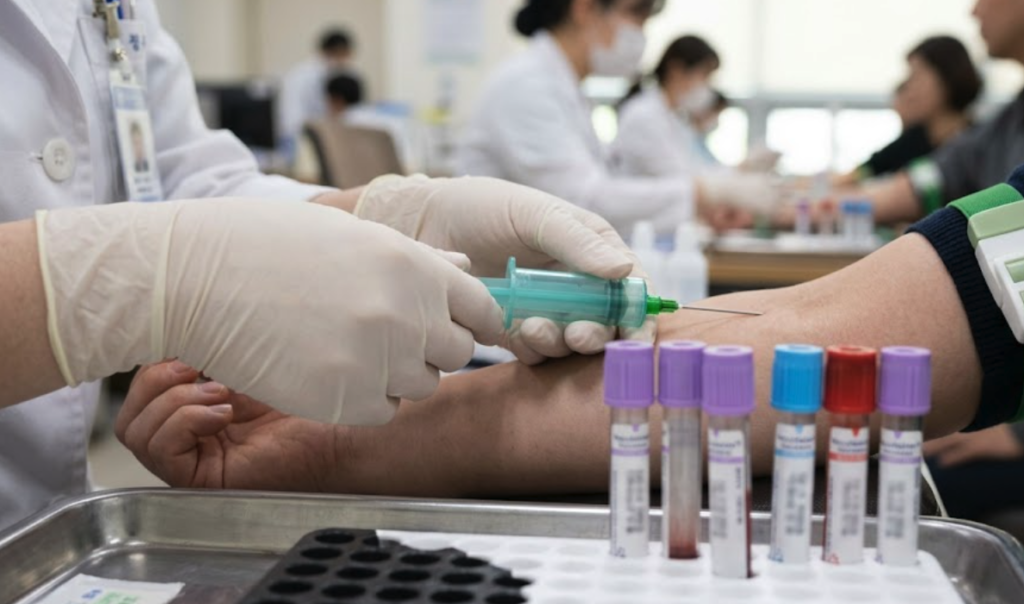
- Hormone blood panels
- Transvaginal ultrasound
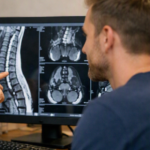
- MRI for pelvic pain
- Laparoscopy for diagnosis and treatment
- AMH testing for fertility
- Genetic screening
These tools allow accurate diagnosis of complex gynecological conditions.
Highly Trained Specialists
Korean OB-GYN doctors undergo:
Advanced Diagnostic Tools
Korean hospitals use:
- High-resolution pelvic ultrasound
- Hormone blood panels
- Transvaginal ultrasound
- MRI for pelvic pain
- Laparoscopy for diagnosis and treatment
- AMH testing for fertility
- Genetic screening
These tools allow accurate diagnosis of complex gynecological conditions.
Highly Trained Specialists
Korean OB-GYN doctors undergo:
- 6 years of medical school
- 4 years of residency
- Additional specialization in reproductive endocrinology, oncology, or surgery
Fast & Efficient Care
Foreign patients appreciate Korea’s:
- Same-day testing
- Quick diagnosis
- Immediate treatment plans
- Minimal waiting times
Holistic Treatment Approach
Korean gynecology combines:
- Medical treatment
- Hormonal therapy
- Lifestyle counseling
- Surgical options
- Fertility support
International Patient Support
Many clinics offer:
- English-speaking staff
- Translators
- Customized treatment plans
- Clear pricing
2. PCOS (Polycystic Ovary Syndrome) Treatment in Korea
PCOS is one of the most common hormonal disorders among women worldwide. Korea offers advanced diagnostic tools and personalized treatment plans for PCOS.
Common Symptoms
- Irregular periods
- Acne
- Weight gain
- Excess hair growth
- Ovarian cysts
- Infertility
- Hormonal imbalance
Diagnostic Methods in Korea
Korean clinics use:
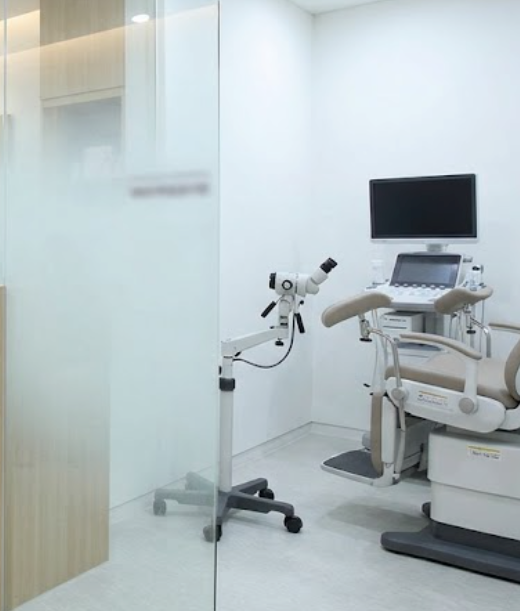
- Transvaginal ultrasound
- Hormone blood tests (LH, FSH, testosterone, insulin)
- AMH testing
- Thyroid function tests
- Glucose tolerance tests
Treatment Options
Korean gynecologists typically recommend:
- Hormonal regulation (birth control pills, progesterone therapy)
- Metformin for insulin resistance
- Weight management programs
- Acne and hair growth treatment
- Ovulation induction for fertility
- Lifestyle counseling
Why Korea Treats PCOS Effectively
Korea focuses on:
- Hormonal balance
- Insulin resistance
- Ovulation support
- Long-term management
This comprehensive approach improves symptoms and fertility outcomes.
3. Endometriosis Treatment in Korea
Endometriosis is a chronic condition where tissue similar to the uterine lining grows outside the uterus, causing pain and fertility issues.
Common Symptoms
- Severe menstrual pain
- Chronic pelvic pain
- Pain during intercourse
- Heavy bleeding
- Infertility
Diagnostic Methods
Korean hospitals use:
- Transvaginal ultrasound
- MRI for pelvic mapping
- Laparoscopy (gold standard)
Treatment Options
Korean gynecologists offer:
- Hormonal therapy
- Pain management
- Laparoscopic surgery
- Fertility treatment
- Lifestyle counseling
Laparoscopic Surgery in Korea
Korea is known for minimally invasive laparoscopic surgery with:
- Small incisions
- Fast recovery
- High precision
- Low complication rates
Foreign patients often choose Korea for endometriosis surgery due to advanced technology and experienced surgeons.
4. Menopause Management in Korea
Menopause is a natural stage of life, but symptoms can significantly affect quality of life. Korea offers modern and holistic menopause care.
Common Symptoms
- Hot flashes
- Mood changes
- Sleep problems
- Weight gain
- Vaginal dryness
- Bone density loss
Diagnostic Methods
Korean clinics use:
- Hormone blood tests
- Bone density scans
- Thyroid testing
- Cardiovascular screening
Treatment Options
Korea provides:
- Hormone replacement therapy (HRT)
- Non-hormonal medications
- Vaginal laser therapy
- Bone density supplements
- Lifestyle counseling
- Stress management programs
Why Korea Excels in Menopause Care
Korean clinics offer personalized treatment plans based on:
- Hormone levels
- Bone health
- Cardiovascular risk
- Lifestyle factors
This ensures safe and effective symptom management.
5. Fertility & Reproductive Health in Korea
Korea is one of the world’s leading destinations for fertility treatment due to high success rates and advanced technology.
Common Fertility Services
- Ovulation induction
- IUI (Intrauterine Insemination)
- IVF (In Vitro Fertilization)
- Egg freezing
- AMH testing
- Genetic screening
Why Foreign Patients Choose Korea
- High IVF success rates
- Advanced lab technology
- Experienced fertility specialists
- Transparent pricing
- Fast treatment cycles
6. What to Expect During a Gynecology Visit in Korea
Step 1: Registration
You provide medical history and symptoms.
Step 2: Diagnostic Testing
Most clinics offer same-day:
- Ultrasound
- Blood tests
- Hormone panels
Step 3: Consultation
The doctor explains:
- Diagnosis
- Treatment options
- Medication plan
- Follow-up schedule
Step 4: Treatment
You may receive:
- Medication
- Hormonal therapy
- Laser treatment
- Surgery (if needed)
Step 5: Follow-Up
Foreign patients often return for:
- Hormone monitoring
- Fertility cycles
- Post-surgery check-ups
7. How Long Should Foreign Patients Stay in Korea?
PCOS
3–7 days for diagnosis + initial treatment
Endometriosis
7–14 days for testing
14–21 days for surgery + recovery
Menopause
3–5 days for full evaluation
Fertility Treatment
IUI: 7–10 days
IVF: 14–21 days
8. Costs of Gynecology Treatment in Korea
Consultation
₩20,000 – ₩60,000
(USD $15 – $45)
Ultrasound
₩40,000 – ₩100,000
(USD $30 – $75)
Hormone Blood Tests
₩50,000 – ₩150,000
(USD $40 – $110)
PCOS Treatment
₩100,000 – ₩300,000
(USD $75 – $220)
Endometriosis Surgery
₩2,000,000 – ₩6,000,000
(USD $1,500 – $4,500)
Menopause Treatment
₩100,000 – ₩400,000
(USD $75 – $300)
IVF
₩3,000,000 – ₩7,000,000
(USD $2,300 – $5,500)
Korea offers competitive pricing compared to the US, Europe, and Singapore.
9. How to Choose a Korean Gynecology Clinic
Foreign patients should consider:
- Doctor’s specialization
- English support
- Diagnostic equipment
- Treatment options
- Fertility success rates
- Clinic reputation
- Location (Gangnam, Apgujeong, Sinsa)
Korea offers world-class women’s health and gynecology care for PCOS, endometriosis, menopause, and fertility issues. With advanced diagnostic tools, evidence-based treatments, and highly trained specialists, Korean clinics provide safe, effective, and reliable solutions for foreign patients seeking comprehensive reproductive and hormonal care.
Whether you struggle with chronic pelvic pain, hormonal imbalance, infertility, or menopause symptoms, Korea remains one of the best destinations for women’s health treatment.
🔗 Recommended Links
- Korean Doctor Interview
- About Korea 8282 (Medical & Travel Info)
- K‑Beauty Community (English)
https://en.kbeautycommunity.com
- Korea Seoul Info (Foreign Patient Guide)

[…] Korean Women’s Health & Gynecology Guide: PCOS, Endometriosis, and Menopause Care for Foreign … […]