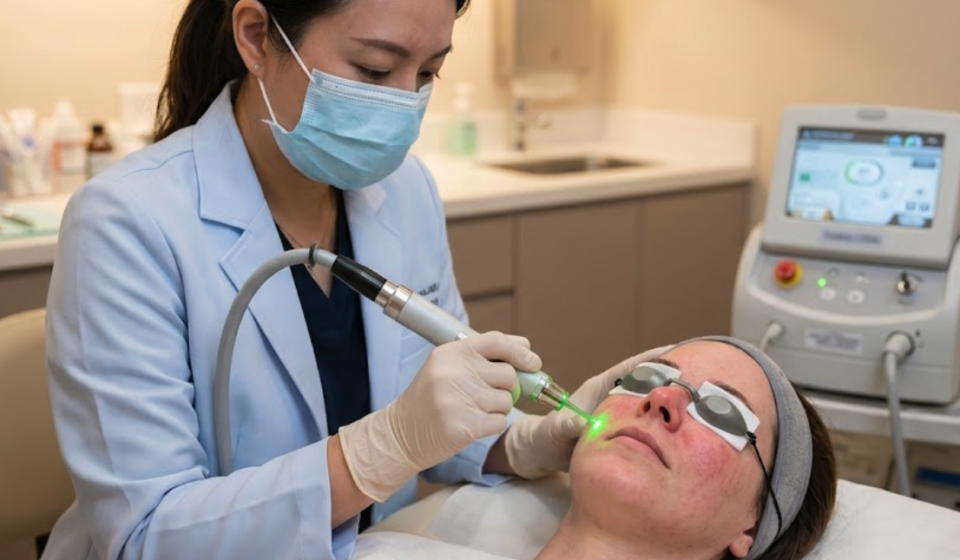
Korean Dermatology for Medical Conditions: Eczema, Rosacea, and Psoriasis Guide for Foreign Patients

Korea is globally recognized for its advanced dermatology system, not only in cosmetic treatments but also in medical skin care. While many foreign patients visit Korea for beauty-related procedures, a growing number travel specifically to treat chronic skin conditions such as eczema, rosacea, and psoriasis. Korean dermatology clinics combine modern medical technology, evidence-based treatments, and personalized care, making Korea one of the most reliable destinations for managing complex skin diseases.
This comprehensive guide explains how Korea treats medical skin conditions, what foreign patients should expect, and why Korean dermatology is considered one of the most effective systems in Asia.
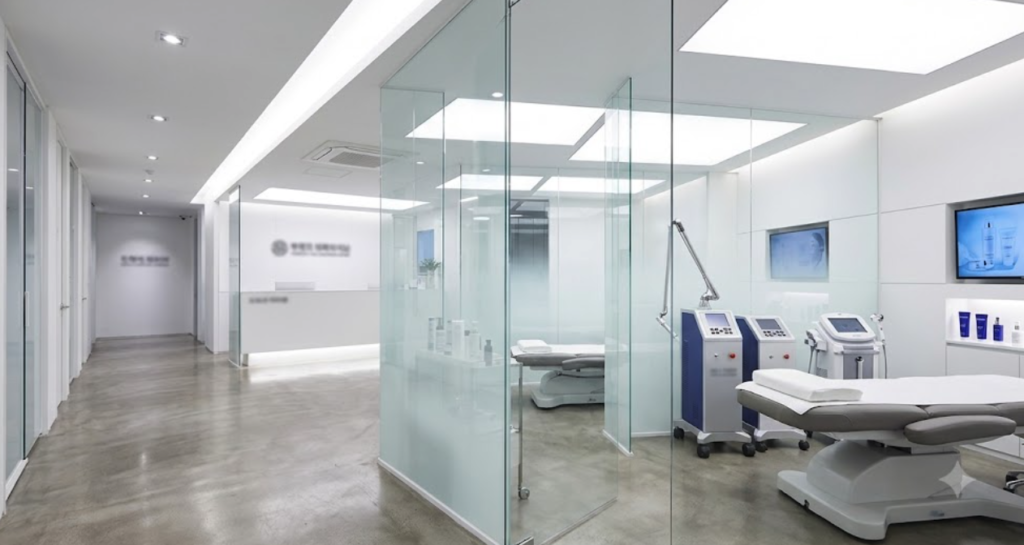
1. Why Korea Is a Global Leader in Medical Dermatology
Korean dermatology is built on precision, early diagnosis, and advanced treatment systems. Several factors contribute to Korea’s leadership in medical skin care:
Advanced Diagnostic Tools
Korean clinics use:
- High-resolution dermoscopy
- Skin barrier analysis
- Moisture and oil balance scanners
- UV imaging
- Allergy patch testing
- Blood tests for inflammation markers
These tools help dermatologists diagnose skin conditions accurately.
Evidence-Based Treatment
Korean dermatologists follow global guidelines for eczema, rosacea, and psoriasis, using:
- Topical medications
- Oral treatments
- Light therapy
- Immunomodulators
- Lifestyle management
Combination Therapy Approach
Korean clinics often combine:
- Medical treatment
- Barrier repair
- Laser therapy
- Lifestyle counseling
- Prescription skincare
This holistic approach improves long-term outcomes.
High Accessibility
Korea has thousands of dermatology clinics, making treatment fast and accessible.
Experience with Foreign Patients
Many clinics offer English consultations and customized treatment plans for international visitors.
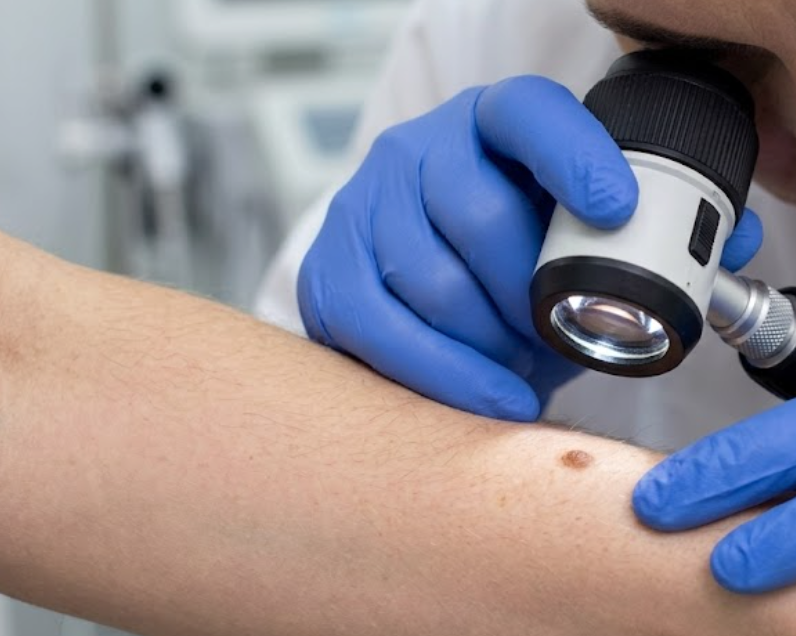
2. Understanding Eczema (Atopic Dermatitis) in Korea
Eczema is one of the most common skin conditions treated in Korean dermatology clinics. It involves chronic inflammation, dryness, and itching.
Common Symptoms
- Dry, flaky skin
- Red patches
- Itching
- Cracking or bleeding
- Sensitivity to temperature changes
Why Korea Treats Eczema Effectively
Korean dermatology focuses heavily on skin barrier repair, which is essential for eczema management.
Diagnostic Methods
- Dermoscopy
- Moisture barrier testing
- Allergy patch tests
- Blood tests for IgE levels
Treatment Options in Korea
Korean dermatologists typically use a combination of:
- Prescription topical steroids
- Non-steroid anti-inflammatory creams
- Moisture barrier repair creams
- Antihistamines
- Immunomodulators (for severe cases)
- UV phototherapy
- Lifestyle counseling
Korean Approach to Eczema
Korea emphasizes:
- Gentle cleansing
- Daily moisturization
- Avoiding triggers
- Repairing the skin barrier
- Reducing inflammation
This approach is effective for both adults and children.
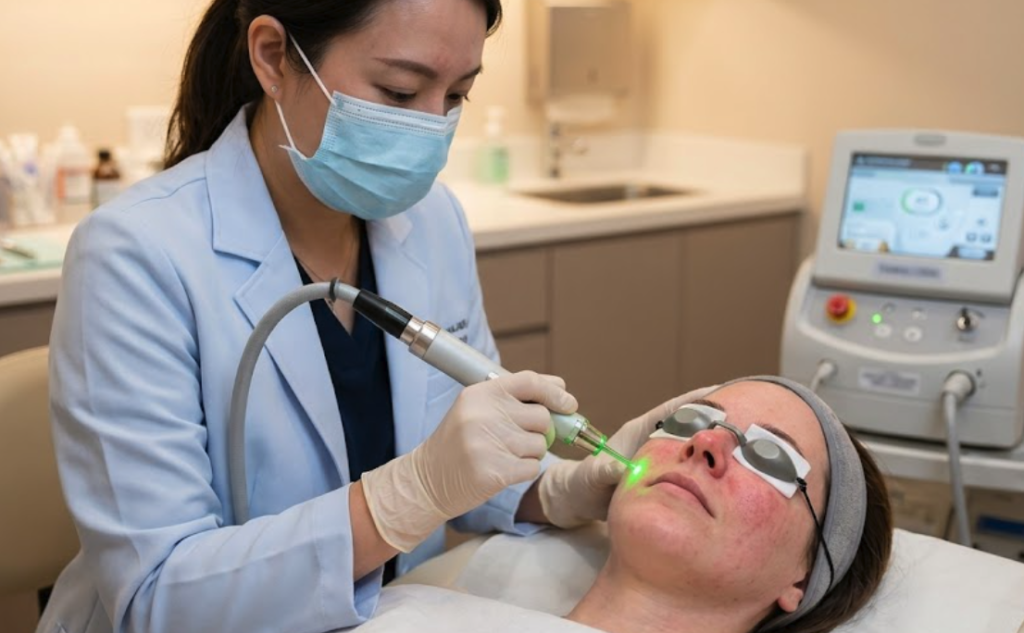
3. Rosacea Treatment in Korea
Rosacea is a chronic condition that causes facial redness, flushing, and visible blood vessels. Korea is known for its advanced rosacea treatments, especially laser therapy.
Common Symptoms
- Persistent redness
- Flushing
- Visible capillaries
- Burning sensation
- Acne-like bumps
Why Korea Treats Rosacea Well
Korean dermatology excels in treating redness and vascular issues using advanced laser systems.
Diagnostic Methods
- Skin imaging
- Vascular mapping
- Sensitivity testing
Treatment Options in Korea
Korean clinics commonly use:
- Prescription anti-inflammatory creams
- Oral medications (for severe inflammation)
- Vascular lasers (V-beam, IPL)
- Cooling therapy
- Barrier repair skincare
- Lifestyle counseling
Laser Treatment for Rosacea
Korea is famous for vascular lasers that reduce redness and visible blood vessels.
Benefits include:
- Minimal downtime
- High precision
- Long-lasting results
4. Psoriasis Treatment in Korea
Psoriasis is an autoimmune condition that causes rapid skin cell turnover, leading to thick, scaly patches.
Common Symptoms
- Thick plaques
- Silver scales
- Itching
- Joint pain (in some cases)
Why Korea Treats Psoriasis Effectively
Korean dermatologists use a combination of medical therapy and advanced phototherapy.
Diagnostic Methods
- Dermoscopy
- Skin biopsy (if needed)
- Blood tests for inflammation markers
Treatment Options in Korea
Korean clinics offer:
- Topical steroids
- Vitamin D analog creams
- Oral medications
- Biologic injections (for severe cases)
- Narrowband UVB phototherapy
- Lifestyle counseling
Phototherapy in Korea
Korea has advanced phototherapy systems that help reduce inflammation and slow skin cell growth.
5. Why Foreign Patients Choose Korea for Medical Skin Conditions
Foreign patients consistently choose Korea because:
1) Fast Diagnosis
Korean clinics provide same-day testing and treatment.
2) Advanced Technology
Korea uses cutting-edge lasers, phototherapy machines, and diagnostic tools.
3) Holistic Treatment
Korean dermatology combines medical treatment with skincare and lifestyle guidance.
4) High Success Rates
Korean clinics have strong outcomes for eczema, rosacea, and psoriasis.
5) English-Friendly Clinics
Many clinics cater specifically to international patients.
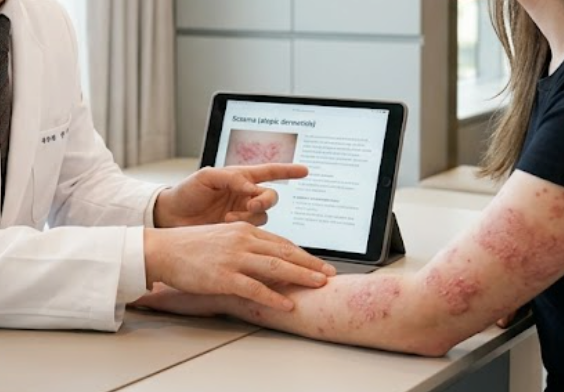
6. What to Expect During a Dermatology Visit in Korea
Step 1: Registration
You provide medical history and symptoms.
Step 2: Skin Analysis
The dermatologist examines your skin using:
- Dermoscopy
- Moisture testing
- UV imaging
Step 3: Diagnosis
You receive a clear explanation of your condition.
Step 4: Treatment Plan
The dermatologist recommends:
- Medications
- Laser therapy
- Phototherapy
- Skincare routine
- Lifestyle changes
Step 5: Follow-Up
Foreign patients often return for:
- Laser sessions
- Phototherapy
- Prescription adjustments
7. How Long Should Foreign Patients Stay in Korea?
Eczema
3–7 days for diagnosis + initial treatment
Long-term cases may require follow-up visits.
Rosacea
5–10 days for laser sessions
Multiple sessions may be needed.
Psoriasis
7–14 days for phototherapy
Severe cases may require longer stays.
8. Costs of Dermatology Treatment in Korea
Consultation
₩20,000 – ₩60,000
(USD $15 – $45)
Laser Treatment (Rosacea)
₩150,000 – ₩350,000 per session
(USD $110 – $260)
Phototherapy (Psoriasis)
₩30,000 – ₩80,000 per session
(USD $20 – $60)
Prescription Medication
₩10,000 – ₩50,000
(USD $8 – $40)
Korea offers competitive pricing compared to the US, Europe, and Singapore.
9. How to Choose a Korean Dermatology Clinic
Foreign patients should consider:
- Dermatologist’s experience
- English support
- Diagnostic equipment
- Treatment options
- Before-and-after photos
- Clinic reputation
- Location (Gangnam, Apgujeong, Sinsa)
Korea offers world-class medical dermatology care for eczema, rosacea, and psoriasis. With advanced diagnostic tools, evidence-based treatments, and holistic care systems, Korean dermatology clinics provide safe, effective, and reliable solutions for foreign patients seeking long-term skin health.
Whether you struggle with chronic inflammation, redness, or autoimmune skin conditions, Korea remains one of the best destinations for medical dermatology treatment.

[…] Korean Dermatology for Medical Conditions: Eczema, Rosacea, and Psoriasis Guide for Foreign Patients […]