Chuna Manual Therapy in Korea: Cost, Insurance, Benefits, Side Effects and 10 Things to Know

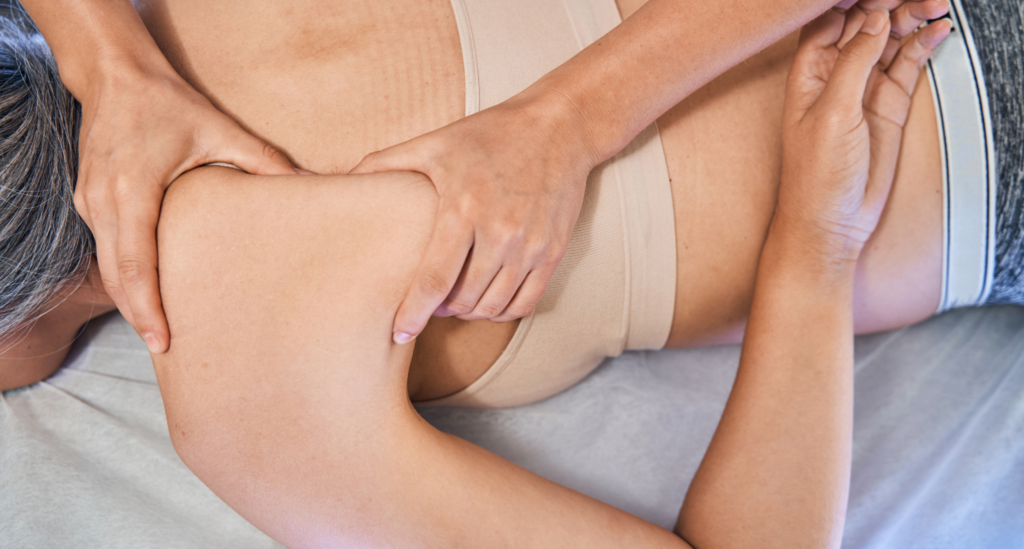
Chuna manual therapy is a traditional Korean medicine treatment that uses the hands or other parts of the body to address problems involving muscles, joints, and the spine. In South Korea, it is used for various musculoskeletal conditions, including neck pain, lower back pain, disc disorders, and spinal stenosis.
However, many patients are unfamiliar with the different types of Chuna therapy, its cost, insurance coverage, potential benefits, and possible side effects.
For international patients considering treatment in Korea, understanding these details can help them make informed decisions before visiting a Korean medicine clinic or hospital.
Here are 10 important things to know about Chuna manual therapy in Korea, including treatment options, costs, insurance, choosing a provider, and safety precautions.
1. What Are the Different Types of Chuna Manual Therapy?
Chuna manual therapy is not a single standardized technique. Under Korea’s National Health Insurance system, it is generally classified into three categories: simple Chuna, complex Chuna, and special Chuna.
Simple Chuna may involve joint mobilization, soft-tissue techniques, and methods intended to improve movement and reduce muscle tension.
Complex Chuna may include additional joint-manipulation techniques and can be used for certain musculoskeletal conditions, including some disc disorders and spinal stenosis.
Special Chuna is used for specific indications, such as certain dislocation-reduction procedures.
The appropriate technique depends on the patient’s diagnosis, symptoms, treatment area, and clinical assessment.
Before starting treatment, ask the provider which technique is being recommended and why it is appropriate for your condition.

2. How Much Does Chuna Manual Therapy Cost in Korea?
Chuna manual therapy became eligible for Korean National Health Insurance coverage in April 2019.
Eligible patients enrolled in Korea’s National Health Insurance system may receive covered Chuna treatment at a reduced out-of-pocket cost. The actual amount depends on the treatment category, diagnosis, applicable coverage rules, and the healthcare provider.
International visitors who are not enrolled in Korean National Health Insurance may need to pay the clinic’s non-covered rate.
Private or overseas travel insurance does not automatically cover Chuna therapy. Coverage depends on the policy, medical necessity requirements, exclusions, and reimbursement rules.
Before booking an appointment, ask the clinic for an itemized estimate and confirm whether your insurance will cover the treatment.
3. How Many Chuna Sessions Are Covered by Korean Health Insurance?
Under the general Korean National Health Insurance rules, coverage for Chuna manual therapy is limited to 20 sessions per patient per year, subject to applicable eligibility and reimbursement requirements.
Once the covered sessions have been used, additional treatment may involve different out-of-pocket costs.
Patients should confirm their remaining covered sessions and discuss a treatment plan with their provider before beginning a course of care.
The goal should not be to use every available session. Instead, treatment frequency should be based on the patient’s condition, clinical progress, and medical needs.
4. How Do You Choose a Good Chuna Therapy Provider?
Choosing a provider involves more than comparing prices or advertisements.
Consider the following factors:
- Experience with spinal and musculoskeletal conditions: Look for a provider who regularly assesses and treats conditions similar to yours.
- Appropriate clinical assessment: Your symptoms, medical history, and previous imaging results should be reviewed when relevant.
- An individualized treatment plan: The provider should explain which techniques are appropriate and whether any precautions are needed.
- Clear communication: You should understand the expected benefits, potential risks, treatment frequency, and costs.
If you have a herniated disc or spinal stenosis, do not assume that every type of spinal manipulation is suitable for you.
Choose a provider who can explain why a particular technique is appropriate for your condition and how treatment progress will be evaluated.
5. How Can You Evaluate the Effectiveness of Chuna Therapy?
When researching Chuna manual therapy, look beyond promotional claims and consider the available clinical evidence.
Research may evaluate changes in pain scores, walking distance, joint mobility, physical function, or quality of life.
When reviewing a study, consider the type and severity of the condition, the number of participants, the comparison treatment, and the outcomes measured.
A positive result in one study does not guarantee the same outcome for every patient. Treatment response may vary according to the diagnosis, severity, overall health, and other factors.
It is also useful to ask how the clinic measures progress during treatment and what steps it takes if symptoms do not improve.
6. How Many Sessions of Chuna Therapy Do You Need?
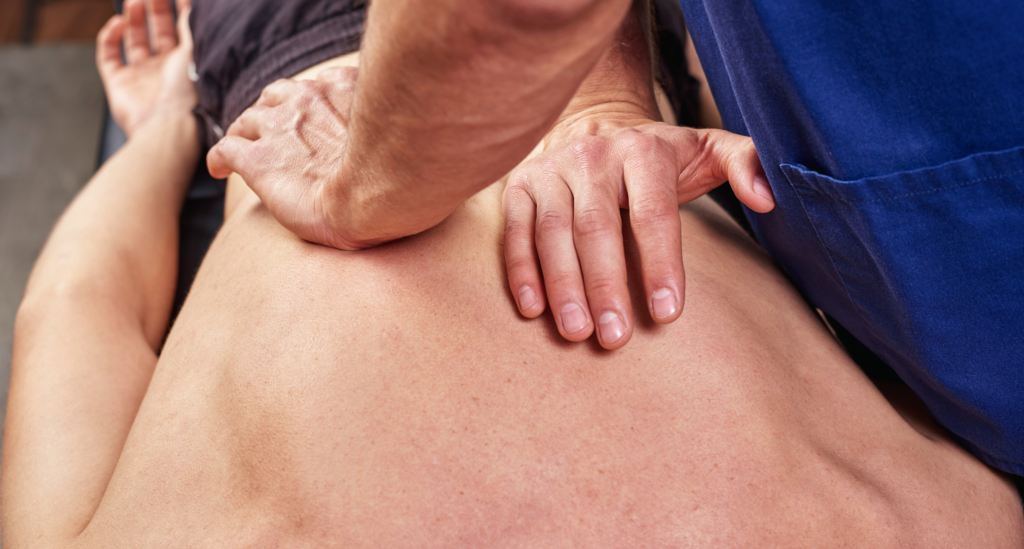
The number of sessions depends on the cause of the symptoms, their duration, the severity of the condition, and the patient’s response to treatment.
Some cases of acute muscle pain or mild joint discomfort may improve after a relatively short course of care.
Chronic conditions, such as disc disorders or spinal stenosis, may require a longer period of treatment and ongoing assessment, depending on the individual case.
Before beginning treatment, discuss your goals with the provider. These may include reducing pain, improving mobility, increasing walking distance, or returning to daily activities.
Imaging tests, such as X-rays or MRI scans, may be useful in selected cases, but they are not necessary for every patient. The need for testing should be determined by the clinical assessment.
7. Should Chuna Therapy Be Combined With Other Korean Medicine Treatments?
Depending on the patient’s condition, Chuna manual therapy may be combined with acupuncture, pharmacopuncture, herbal medicine, exercise, or rehabilitation.
Whether these additional treatments are appropriate depends on the diagnosis, symptoms, medical history, and medications the patient is taking.
Not every patient needs multiple treatments, and combining more treatments does not automatically produce better results.
Before agreeing to a treatment package, ask what each treatment is intended to achieve, what evidence supports its use, what the potential risks are, and whether additional fees apply.
8. What Is the Difference Between Chuna Therapy and Korean Manual Therapy (Dosu Therapy)?
Chuna manual therapy and Korean manual therapy, commonly called dosu therapy, both use hands-on techniques to address problems involving muscles, joints, and movement.
However, they differ in their clinical frameworks and the professionals who provide them.
Chuna is a traditional Korean medicine treatment performed by a licensed Korean medicine doctor.
Dosu therapy generally refers to manual therapy performed by a physical therapist under a physician’s diagnosis and treatment plan.
The choice of treatment should depend on the patient’s condition, the techniques being used, the provider’s qualifications, and the available clinical evidence.
Insurance coverage can also differ. Patients should check the current Korean insurance rules and the terms of their individual insurance policies.
Neither treatment should automatically be considered superior for every condition.
9. How Long Do the Effects of Chuna Therapy Last?
Some patients may experience reduced pain or improved movement after Chuna manual therapy. However, the duration of these effects varies from person to person.
Symptoms may return if the underlying cause persists or if factors such as muscle weakness, repetitive strain, or daily habits continue to contribute to the problem.
Chuna therapy differs from massage in its techniques and clinical purpose, but it should not be assumed to permanently correct every structural problem or guarantee lasting relief.
Monitoring pain, mobility, and everyday function can help determine whether treatment is beneficial.
Exercise, rehabilitation, and lifestyle adjustments may also be appropriate, depending on the condition.
If symptoms persist or worsen, the diagnosis and treatment plan should be reassessed rather than simply repeating the same procedure.
10. What Are the Side Effects and Precautions of Chuna Therapy?
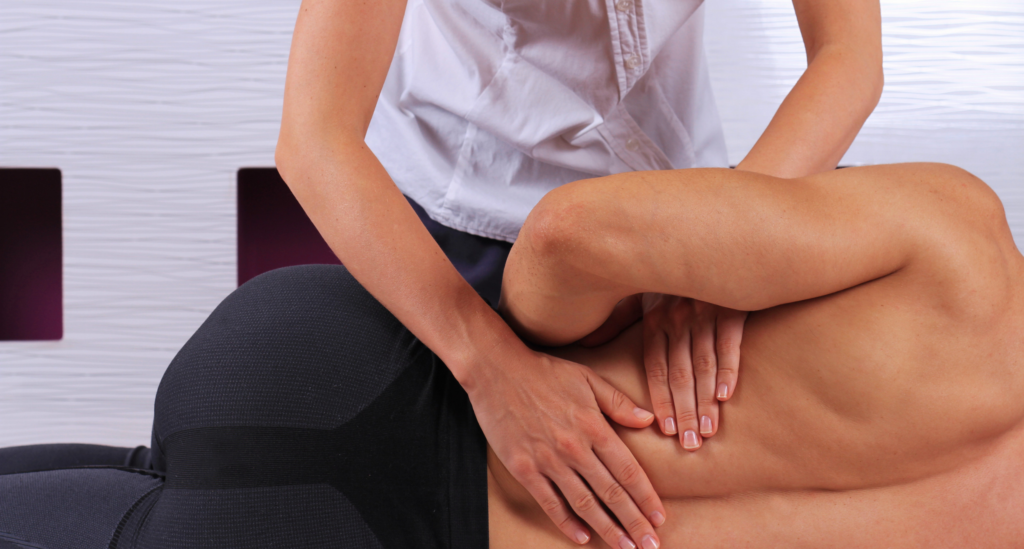
Chuna manual therapy may cause temporary soreness or discomfort after treatment. In some cases, symptoms may worsen or other adverse effects may occur.
Patients with herniated discs, spinal stenosis, spondylolisthesis, osteoporosis, or an increased risk of fractures should inform their provider before treatment. Strong pressure or rapid manipulation may not be appropriate for everyone.
If severe pain, numbness, or other unusual symptoms occur during treatment, tell the provider immediately so the technique and treatment intensity can be reassessed.
Joint cracking sounds during treatment do not prove that a bone has been correctly realigned or that the treatment has been effective. Changes in pain, mobility, and everyday function are more meaningful measures of progress.
Seek emergency medical attention if you develop new severe muscle weakness, loss of bladder or bowel control, or numbness around the groin or saddle area.
Final Checklist Before Getting Chuna Therapy in Korea
Chuna manual therapy is a treatment used in Korean medicine for certain musculoskeletal conditions. However, its suitability, potential benefits, risks, and insurance coverage vary depending on the individual patient.
Before starting treatment in Korea, remember to:
- Confirm that the recommended treatment is appropriate for your diagnosis.
- Ask about the total cost and whether Korean National Health Insurance applies.
- Check your annual insurance session limit and private insurance policy.
- Review the provider’s experience and proposed treatment plan.
- Understand the possible side effects and safety precautions.
The goal is not simply to receive forceful manipulation or complete a predetermined number of sessions. It is to choose an appropriate treatment, monitor your progress, and prioritize safety throughout the process.