
For many foreign patients, anesthesia is the most frightening part of plastic surgery.
Questions like:
• “Is anesthesia safe in Korea?”
• “Will I wake up normally?”
• “Are Korean anesthesiologists qualified?”
• “What if something goes wrong?”
are extremely common.
The truth is:
Korea has one of the safest anesthesia systems in the world, supported by strict regulations, highly trained specialists, advanced monitoring technology, and standardized medical protocols.
This guide explains why Korea’s anesthesia system is exceptionally safe, and what foreign patients should know before undergoing surgery.
★ 1. Korea Requires Highly Specialized Anesthesiologists
In Korea, anesthesiologists must complete:
• 6 years of medical school
• 4 years of residency
• national board certification
• hospital-based training
• thousands of supervised anesthesia cases
This creates a medical environment where anesthesia is handled by true specialists, not general doctors.
Many countries allow:
• general practitioners
• cosmetic doctors
• minimally trained clinicians
to administer anesthesia — but Korea does NOT.
★ 2. Korean Clinics Use Dedicated Anesthesiologists for Every Surgery
In Korea, reputable clinics always have:
• a full-time anesthesiologist
• a dedicated anesthesia team
• emergency-trained staff
• monitoring specialists
This means the surgeon focuses on surgery,
while the anesthesiologist focuses 100% on your safety.
In some countries, the surgeon or nurse may administer anesthesia —
Korea strictly separates these roles.
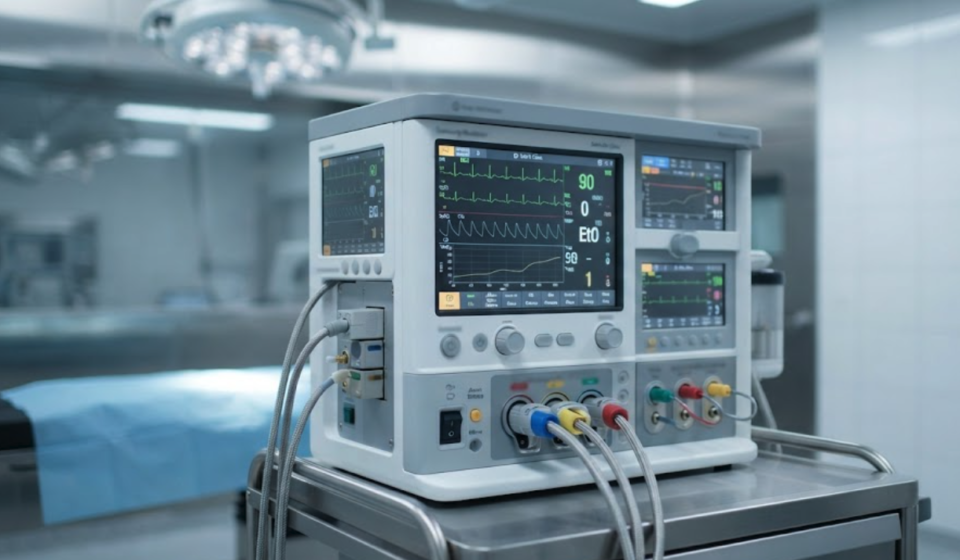
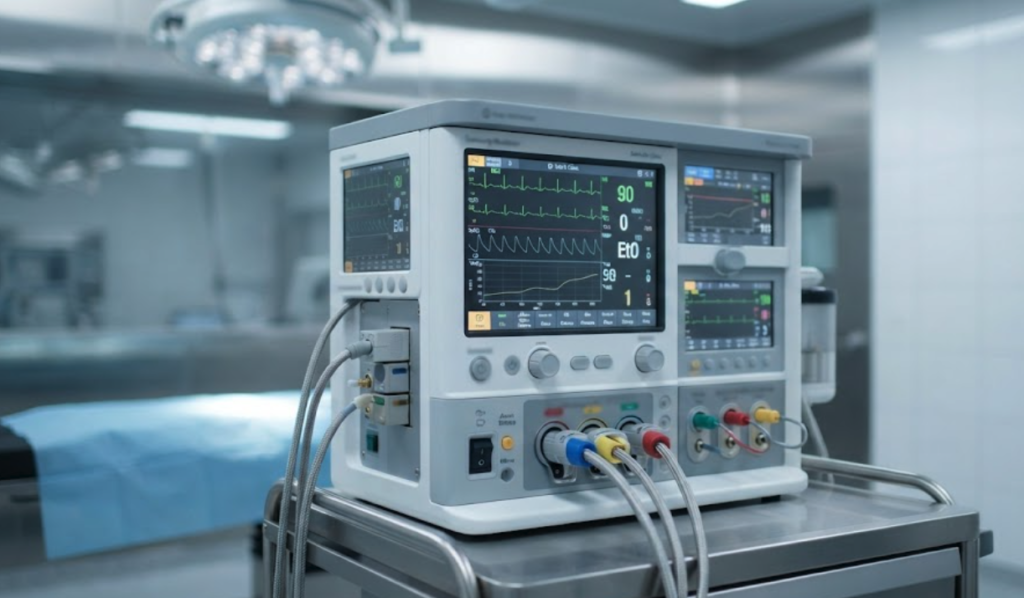
★ 3. Korea Uses Advanced Monitoring Equipment
Korean clinics use high-end monitoring systems such as:
• ECG (heart monitoring)
• SpO2 (oxygen saturation)
• blood pressure monitoring
• respiratory rate monitoring
• BIS (brain activity monitoring)
• CO₂ monitoring
• emergency ventilation systems
These devices allow anesthesiologists to detect even the smallest changes in your condition.
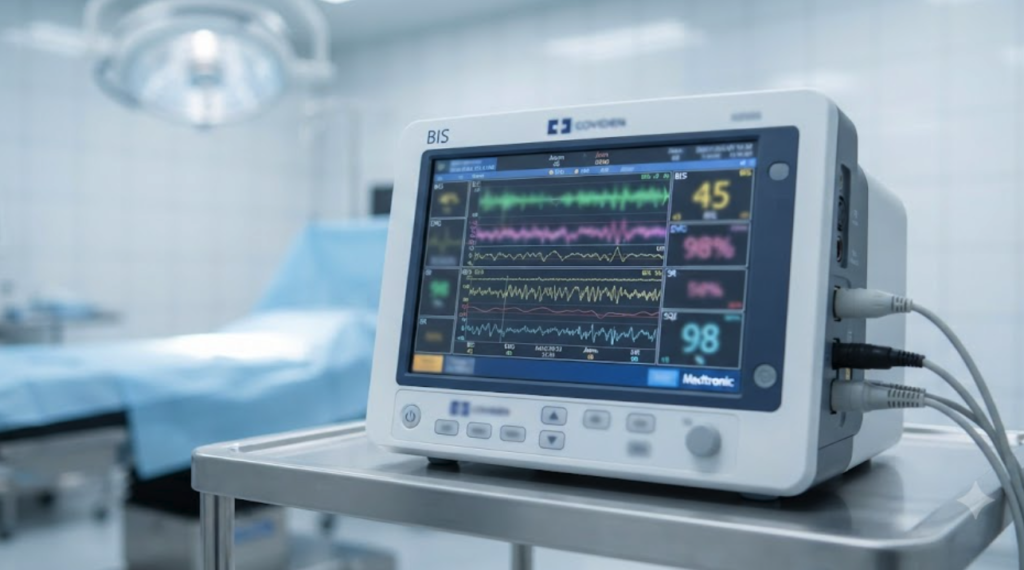
★ 4. BIS Monitoring: Korea’s Secret Weapon for Safe Sedation
Korea is one of the few countries where BIS monitoring is widely used.
BIS (Bispectral Index) measures:
• brain activity
• depth of sedation
• anesthesia level
This prevents:
• under-sedation
• over-sedation
• accidental awareness
• anesthesia complications
Foreign patients often say BIS monitoring makes them feel much safer.
★ 5. Korea Uses High-Quality, FDA-Approved Anesthetic Drugs
Korean clinics use:
• FDA-approved anesthetics
• internationally certified medications
• premium-grade sedatives
• safe pain management drugs
No cheap or unregulated drugs are used.
★ 6. Korea Has Strict Anesthesia Regulations
Korean law requires:
• licensed anesthesiologists
• certified facilities
• emergency equipment
• anesthesia documentation
• patient monitoring
• safety protocols
Clinics that violate these rules face:
• heavy fines
• license suspension
• legal penalties
This strict regulation ensures consistent safety.
★ 7. Korea Performs Millions of Safe Anesthesia Cases Every Year
Korea has one of the highest plastic surgery volumes in the world.
This means anesthesiologists have:
• extremely high case experience
• familiarity with diverse patient types
• strong emergency response skills
• deep knowledge of sedation levels
High volume = high expertise.
★ 8. Korea’s Pre-Operative Testing System Is Extremely Thorough
Before anesthesia, Korean clinics often require:
• blood tests
• ECG
• chest X-ray
• CT scan (if needed)
• allergy check
• medical history review
These tests ensure anesthesia is safe for your body.
★ 9. Korea Uses Personalized Anesthesia Plans
Anesthesiologists adjust anesthesia based on:
• age
• weight
• medical history
• medications
• allergies
• previous surgeries
• anxiety level
• procedure type
This personalized approach reduces risk dramatically.
★ 10. Emergency Systems Are Always Ready
Korean clinics are required to have:
• emergency oxygen
• defibrillators
• airway management tools
• emergency medications
• rapid response protocols
Anesthesiologists are trained to respond instantly.
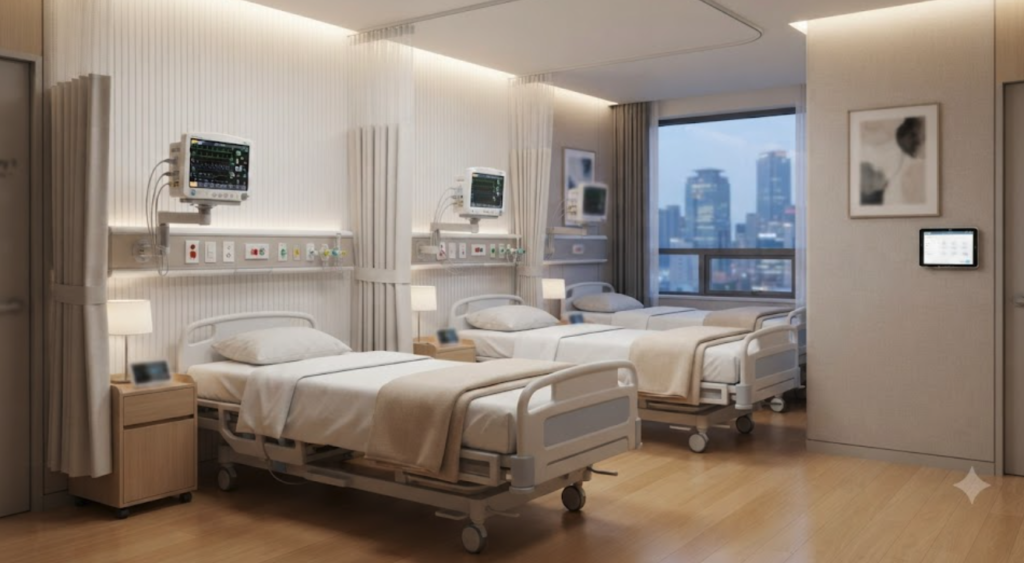
★ 11. Korea’s Recovery Rooms Are Highly Monitored
After surgery, patients are moved to:
• monitored recovery rooms
• supervised observation areas
• nurse-assisted recovery beds
Staff monitor:
• breathing
• consciousness
• blood pressure
• oxygen levels
• pain levels
Foreigners often say Korea’s recovery care feels “hotel-level.”
★ 12. Korea Has Extremely Low Anesthesia Complication Rates
Because of:
• strict regulations
• advanced equipment
• highly trained anesthesiologists
• standardized protocols
• high case volume
Korea’s anesthesia complication rate is among the lowest globally.
★ Final Summary
Korea’s anesthesia system is safe because of:
• highly trained anesthesiologists
• advanced monitoring equipment
• BIS brain monitoring
• FDA-approved drugs
• strict regulations
• emergency readiness
• personalized anesthesia plans
• thorough pre-op testing
• high case volume
• structured recovery care
Foreign patients can feel confident that Korea provides one of the safest anesthesia environments in the world.
🔗 Additional Resources for International Patients
K‑Beauty Community (English)
Reliable English‑language information on Korean beauty, plastic surgery, and medical tourism.
https://en.kbeautycommunity.com
Korea Seoul Info (English)
A comprehensive hub for Seoul travel, medical tourism, and plastic surgery insights.