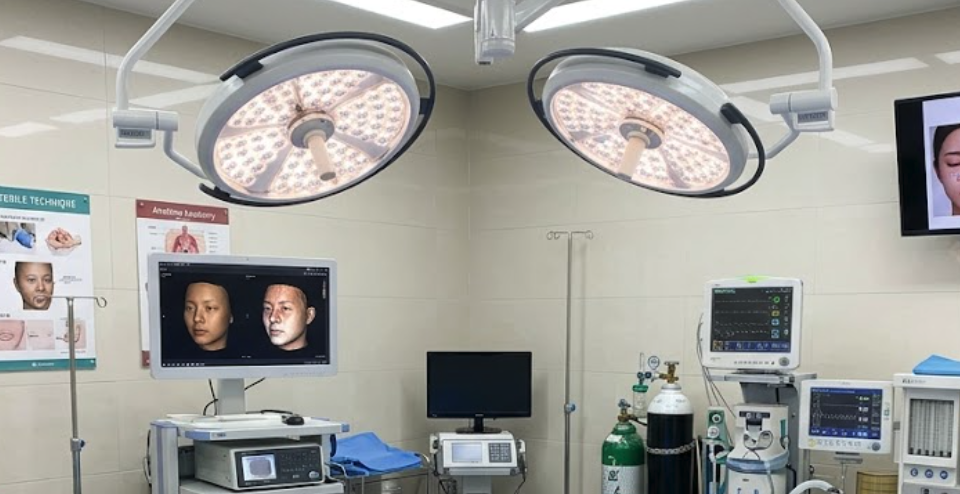

Korean rhinoplasty is globally recognized for its precision, natural results, and advanced cartilage techniques. Unlike Western rhinoplasty, which often focuses on dramatic changes, Korean surgeons prioritize balance, harmony, and structural stability. This approach creates refined, natural-looking noses that match the overall facial structure, making Korea one of the most popular destinations for foreigners seeking nose surgery.
This guide explains every major type of Korean rhinoplasty, how each procedure works, who it is for, and why Korea is considered a world leader in nose surgery.
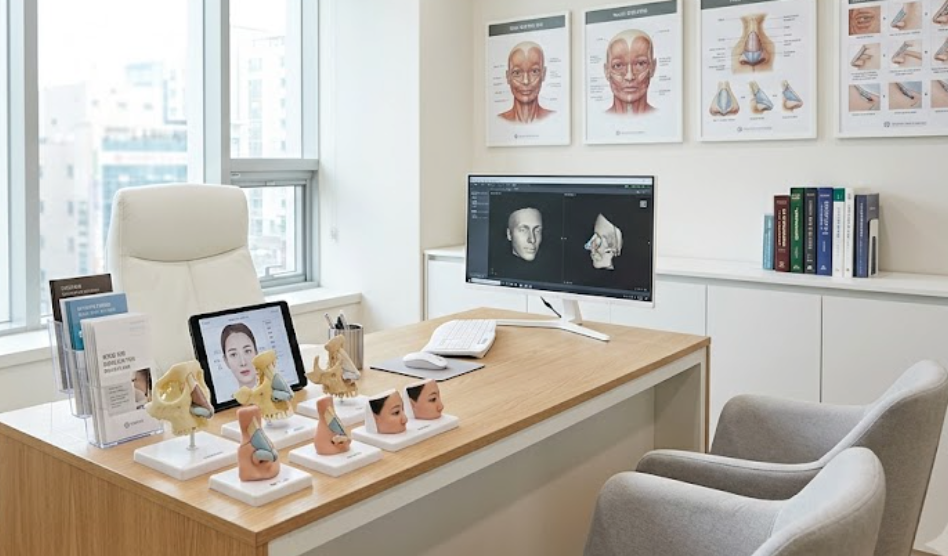
⭐ 1. Tip Plasty (코끝성형)
Tip plasty focuses on reshaping the nasal tip without altering the bridge. It is one of the most frequently performed procedures in Korea because many Asian patients have a round, bulbous, or undefined tip.
What it corrects
- Bulbous or round tip
- Droopy tip
- Asymmetry
- Low or undefined tip
- Wide tip cartilage
Techniques used
Korean surgeons use advanced cartilage techniques such as dome suturing, columellar strut grafts, shield grafts, and cartilage repositioning. These methods allow precise control over tip rotation, projection, and definition.
Why Korea excels
Korean surgeons specialize in micro‑adjustments that create a refined, natural-looking tip without making it overly sharp or artificial. This subtlety is one of the main reasons foreigners trust Korean clinics.
⭐ 2. Bridge Augmentation (융비술)
Bridge augmentation is extremely common among Asian patients who naturally have a lower nasal bridge. The goal is to create a smooth, elegant profile that enhances facial harmony.
Materials used
- Silicone
- Gore-Tex
- Septal cartilage
- Ear cartilage
- Rib cartilage
- Hybrid materials
What it corrects
- Low bridge
- Flat nose
- Weak profile
- Lack of definition
Korean style
Korean surgeons avoid overly high or artificial bridges. The preferred result is a natural, balanced, and sophisticated look.
⭐ 3. Osteotomy (비골 절골술)
Osteotomy involves cutting and repositioning the nasal bones. It is often combined with bridge augmentation to create a narrower, more symmetrical nose.
What it corrects
- Wide nasal bones
- Crooked nose
- Deviated bridge
- Open roof deformity after hump removal
Why it matters
Without osteotomy, the nose may remain wide or uneven even after augmentation. Korean surgeons use delicate bone-cutting techniques to ensure symmetry and smooth contours.
⭐ 4. Alar Base Reduction (콧볼 축소)
Alarplasty reduces the width of the nostrils and narrows the base of the nose. It is popular among patients with wide or flared nostrils.
What it corrects
- Wide nostrils
- Flared alar base
- Asymmetry
- Excessive nostril show
Techniques
Korean surgeons use Weir excision, V‑Y advancement, and internal alar reduction techniques to minimize visible scarring and maintain natural nostril shape.
⭐ 5. Hump Reduction (매부리코 교정)
Hump reduction removes the bump on the nasal bridge, creating a smoother and more balanced profile.
What it corrects
- Dorsal hump
- Irregular bridge
- Sharp or aggressive profile
Methods
Surgeons use bone and cartilage shaving, rasping, and structural grafts to maintain stability after hump removal.
⭐ 6. Functional Rhinoplasty (기능코성형)
Functional rhinoplasty improves breathing while also enhancing the nose’s appearance. Korea is known for combining functional and cosmetic corrections in one surgery.
What it treats
- Deviated septum
- Nasal valve collapse
- Chronic congestion
- Snoring
- Post-trauma deformities
Why foreigners choose Korea
Korean surgeons are highly experienced in dual-purpose rhinoplasty, making it possible to fix both aesthetic and functional issues simultaneously.
⭐ 7. Droopy Tip Correction (처진 코끝 교정)
A droopy tip can make the face look older or tired. Korean surgeons correct this by rotating and supporting the tip.
Methods
- Tip rotation
- Ligament reconstruction
- Cartilage support
- Columellar strut
Result
A more youthful, lifted, and refined nasal tip.
⭐ 8. Revision Rhinoplasty (재수술)
Revision rhinoplasty corrects problems from previous surgeries. Korea is one of the world’s top destinations for revision cases due to its advanced cartilage techniques.
Common reasons for revision
- Asymmetry
- Collapse of the bridge or tip
- Implant shifting
- Overcorrection
- Breathing issues
Why Korea leads
Korean surgeons frequently use rib cartilage for structural support, making revision results more stable and long-lasting.
⭐ 9. Rib Cartilage Rhinoplasty (늑연골 코성형)
Rib cartilage is used when strong structural support is needed, especially in revision cases or when patients want a higher, more defined nose.
Best for
- Severe deviation
- Nose collapse
- Major hump removal
- Revision surgery
- High-profile Western-style noses
Advantages
- Strong support
- Long-lasting results
- Natural tip shaping possible
⭐ Why Korean Rhinoplasty Is Globally Popular
✔ Natural results
Korean surgeons avoid exaggerated or artificial shapes.
✔ Advanced cartilage techniques
Korea leads the world in structural rhinoplasty.
✔ High surgical volume
Surgeons perform thousands of cases, increasing skill and precision.
✔ Customized approach
Every nose is designed to match the patient’s facial proportions.
✔ Safe and predictable outcomes
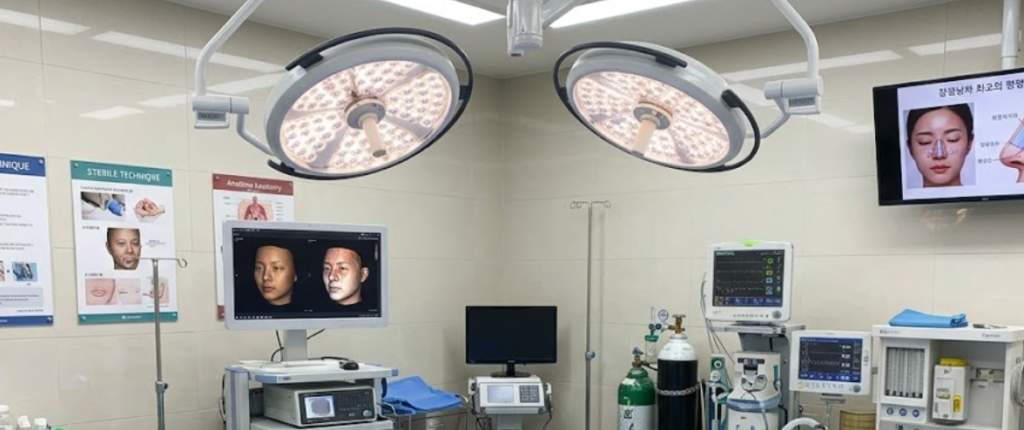
Korean clinics use detailed 3D imaging and advanced medical equipment.
For more expert insights, visit our K-Doctor Interview Series, where top Korean surgeons share real clinical knowledge.
You can also explore the K-Beauty Plastic Surgery Information Hub for detailed guides on Korean cosmetic procedures.
K-Doctor Interview
K-Beauty Community (Plastic Surgery Info)