
A clear, practical guide for foreigners navigating Korea’s psychiatric medication system.
Mental health treatment in Korea is modern, science-based, and highly accessible.
But for foreigners, one part of the system often feels confusing:
psychiatric medication.

Korean psychiatrists prescribe medication more quickly than in many Western countries,
and Korea uses a mix of international brands, Korean generics, and region-specific formulations.
This guide explains:
- The most common psychiatric medications used in Korea
- Their purpose
- How they work
- Typical side effects
- How prescriptions are given
- What foreigners should expect
This is the complete Korean mental health medication guide.
⭐ How Psychiatric Medication Works in Korea
Korean psychiatry follows a fast-diagnosis, fast-stabilization model.
✔ Same-day diagnosis
✔ Same-day prescription
✔ Follow-up within 1–2 weeks
✔ Dose adjustments based on response
✔ Combination therapy when needed
Korean psychiatrists tend to prescribe medication earlier than Western clinicians because:
- Symptoms improve faster
- Patients stabilize sooner
- Therapy becomes more effective
- Crisis situations are prevented
Medication is seen as a tool, not a last resort.
⭐ Categories of Psychiatric Medication Commonly Used in Korea
Korean psychiatrists use the same global medication classes found in the US, Europe, and Japan.
🔵 1) SSRIs (Selective Serotonin Reuptake Inhibitors)
Used for:
- Depression
- Anxiety
- Panic disorder
- OCD
- PTSD
Common SSRIs in Korea:
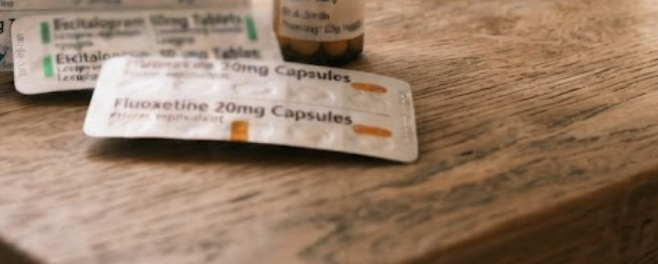
- Escitalopram (Lexapro / 렉사프로)
- Sertraline (Zoloft / 졸로프트)
- Fluoxetine (Prozac / 프로작)
- Paroxetine (Paxil / 팍실)
Why Koreans use them:
SSRIs are considered the safest first-line medications.
Common side effects:
- Nausea
- Mild insomnia
- Appetite changes
- Sexual side effects
🔵 2) SNRIs (Serotonin-Norepinephrine Reuptake Inhibitors)
Used for:
- Depression
- Anxiety
- Chronic pain
- Fibromyalgia
Common SNRIs in Korea:
- Duloxetine (Cymbalta / 심발타)
- Venlafaxine (Effexor / 이펙서)
Why Koreans use them:
They help with both mood and physical pain.
Side effects:
- Sweating
- Increased heart rate
- Withdrawal symptoms if stopped suddenly
🔵 3) Benzodiazepines (Anti-Anxiety / Sedatives)
Used for:
- Panic attacks
- Severe anxiety
- Insomnia
- Short-term crisis stabilization
Common benzos in Korea:
- Alprazolam (Xanax / 자낙스)
- Lorazepam (Ativan / 아티반)
- Clonazepam (Klonopin / 클로나제팜)
Important:
Korean psychiatrists prescribe benzos short-term only due to dependency risk.
🔵 4) Mood Stabilizers
Used for:
- Bipolar disorder
- Mood swings
- Impulse control issues
Common mood stabilizers in Korea:
- Lithium (리튬)
- Lamotrigine (Lamictal / 라믹탈)
- Valproate (Depakote / 데파코트)
Why Koreans use them:
Lamotrigine is especially popular due to fewer side effects.
🔵 5) Antipsychotics (Atypical)
Used for:
- Schizophrenia
- Bipolar disorder
- Severe depression
- Mood instability
- Sleep regulation (low dose)
Common antipsychotics in Korea:
- Aripiprazole (Abilify / 아빌리파이)
- Quetiapine (Seroquel / 세로켈)
- Olanzapine (Zyprexa / 자이프렉사)
- Risperidone (Risperdal / 리스페달)
Note:
Low-dose quetiapine is often used for sleep in Korea.
🔵 6) ADHD Medications
Used for:
- Adult ADHD
- Childhood ADHD
- Concentration issues
Common ADHD meds in Korea:
- Methylphenidate (Concerta / 콘서타)
- Atomoxetine (Strattera / 스트라테라)
- Vyvanse (바이반스) — recently approved in Korea
Why foreigners care:
Korea diagnoses ADHD quickly and medication access is easier than in many countries.
🔵 7) Sleep Medications
Used for:
- Insomnia
- Stress-related sleep issues
- Anxiety-related sleep problems
Common sleep meds in Korea:
- Zolpidem (Ambien / 졸피뎀)
- Eszopiclone (Lunesta / 루네스타)
- Low-dose quetiapine
- Melatonin (OTC)
⭐ How Prescriptions Work in Korea
✔ Step 1 — Psychiatrist consultation
10–20 minutes
Diagnosis + symptom review
✔ Step 2 — Medication decision
Based on:
- Symptom severity
- Sleep patterns
- Anxiety level
- Past medication history
- Physical health
✔ Step 3 — Prescription
Given immediately
No waiting period
✔ Step 4 — Follow-up
Usually 1–2 weeks later
Dose adjustment or medication change
✔ Step 5 — Long-term plan
Monthly or bi-monthly visits
⭐ Pharmacies in Korea: Fast, Affordable, Efficient
Korean pharmacies are extremely convenient:
✔ Medication ready in 3–5 minutes
✔ Pharmacists explain dosage clearly
✔ Prices are low
✔ Insurance covers most psychiatric meds
✔ No long lines
Foreigners often say Korean pharmacies feel “shockingly fast.”
⭐ Costs: How Much Do Psychiatric Medications Cost in Korea?
Approximate prices (without insurance):
- SSRIs: ₩10,000–₩25,000 / month
- SNRIs: ₩20,000–₩35,000 / month
- ADHD meds: ₩30,000–₩70,000 / month
- Benzos: ₩3,000–₩10,000 / month
- Antipsychotics: ₩10,000–₩40,000 / month
With insurance, prices drop by 50–70%.
⭐ Safety: What Foreigners Should Know
✔ Never stop medication suddenly
✔ Follow-up appointments are important
✔ Korean psychiatrists adjust doses quickly
✔ Side effects usually improve within 1–2 weeks
✔ Bring past medication history if possible
Korean psychiatrists are highly experienced with medication management.
⭐ Conclusion: Korea Offers Fast, Modern, and Accessible Psychiatric Medication Care
Korea’s mental health medication system is built on:
- Fast diagnosis
- Clear treatment plans
- Modern medication options
- Affordable access
- Strong follow-up care
- International drug standards
- High medical precision
For foreigners, this means effective, safe, and fast mental health treatment.
Korea is not just a leader in dermatology and surgery —
it is becoming a global hub for mental health care.