
Korea is widely recognized as one of the safest countries in the world for plastic surgery, not only because of its advanced surgical techniques but also due to its exceptional anesthesia and sedation standards. For many foreign patients, anesthesia is the most intimidating part of undergoing surgery abroad. Questions about safety, monitoring, side effects, and communication during sedation are extremely common.
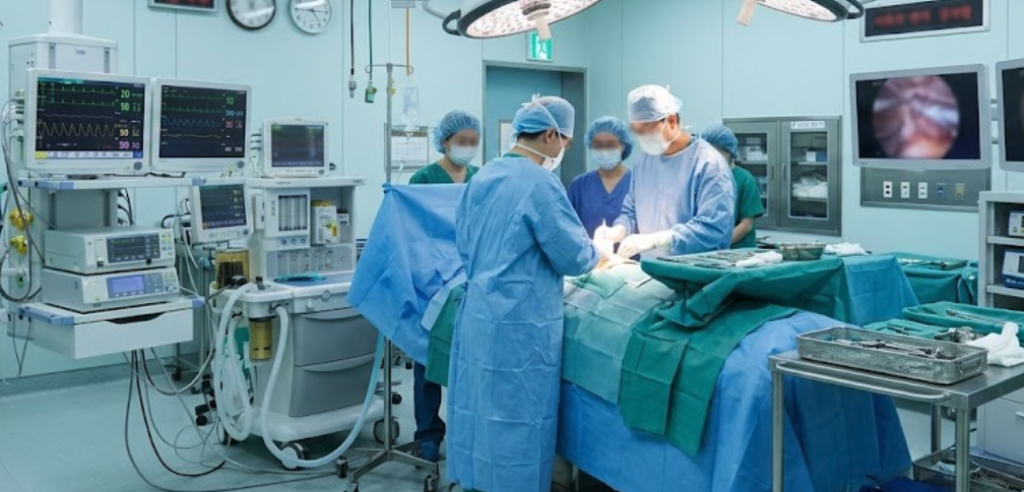
This guide provides a complete overview of how anesthesia and sedation work in Korean plastic surgery clinics, why Korea is considered one of the safest places for anesthesia, and what foreign patients should know before undergoing any procedure.
1. Why Anesthesia Safety Matters for Foreign Patients
Foreign patients often worry about anesthesia more than the surgery itself. This is understandable—anesthesia involves temporarily altering consciousness, breathing, and bodily functions. When done improperly, it can lead to complications.
However, Korea has one of the most advanced anesthesia systems in the world. Korean clinics prioritize:
- Dedicated anesthesiologists
- Real‑time monitoring
- International‑standard equipment
- Strict medical regulations
- High training requirements
This makes Korea one of the safest destinations for cosmetic surgery involving sedation or general anesthesia.
2. Types of Anesthesia Used in Korean Plastic Surgery Clinics
Korean clinics use several types of anesthesia depending on the procedure, patient condition, and surgeon preference.
1) Local Anesthesia
Used for:
- Eyelid surgery
- Minor liposuction
- Small facial procedures
- Mole removal
- Scar revision
You remain fully awake, and only the surgical area is numbed.
2) Sedation (IV Sedation / Twilight Sedation)
The most common anesthesia type in Korean plastic surgery.
Used for:
- Rhinoplasty
- Facial liposuction
- Fat grafting
- Thread lifting
- Hairline correction
- Minor contouring
You remain semi‑conscious but relaxed, pain‑free, and unaware of the procedure.
3) General Anesthesia
Used for:
- Facial bone contouring
- Full body liposuction
- Breast surgery
- Major revision surgery
- Complex combined procedures
You are fully asleep, and breathing is supported by medical equipment.
3. Why Korean Sedation Is Considered Extremely Safe
Korea’s sedation system is one of the safest globally due to several key factors.
Dedicated Anesthesiologists
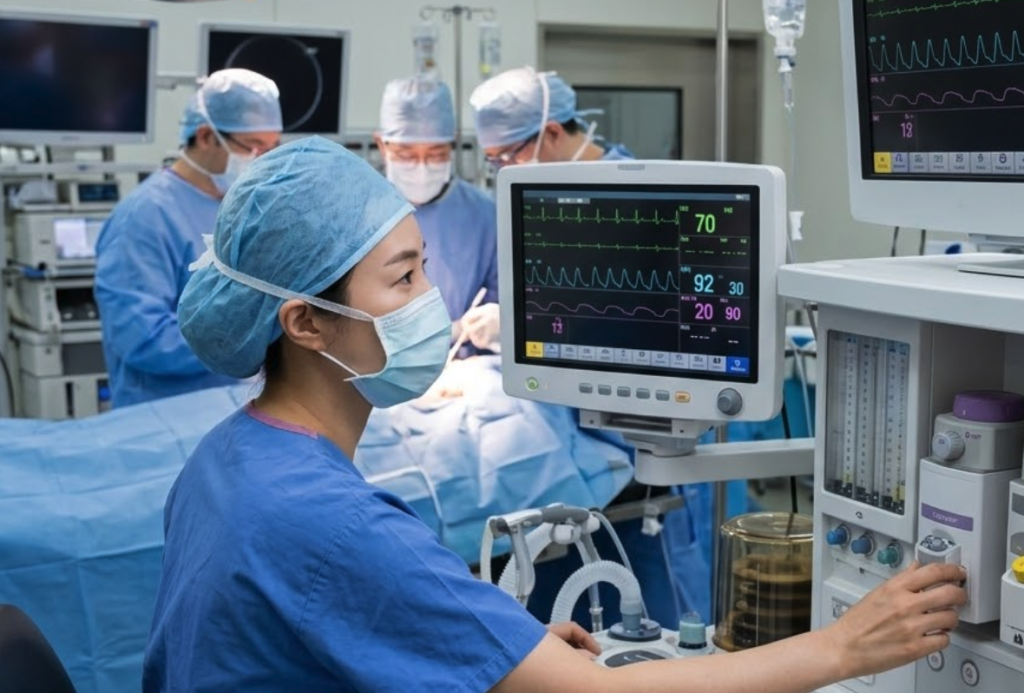
Most reputable clinics have a full‑time anesthesiologist present throughout the entire surgery—not just at the beginning.
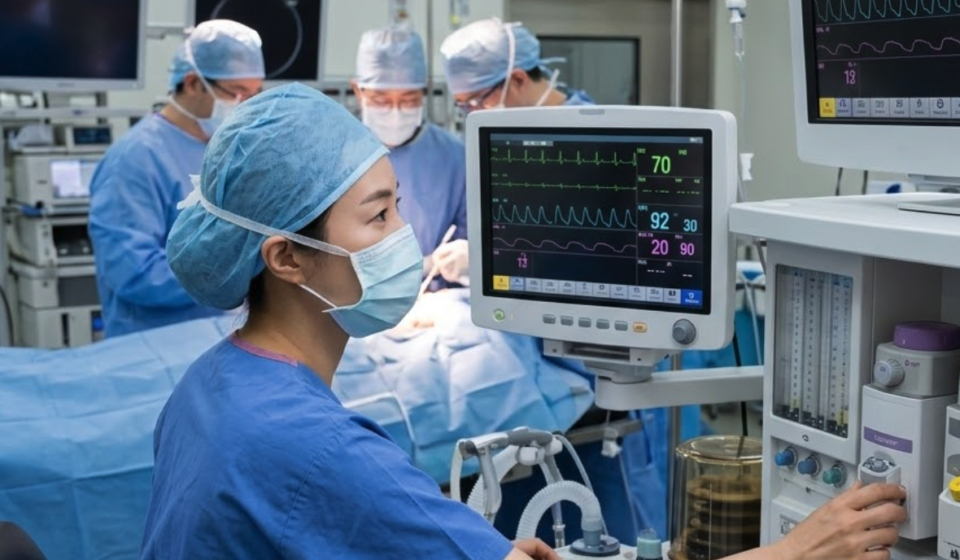
Continuous Monitoring
Patients are monitored using:
- ECG
- Blood pressure
- Oxygen saturation
- Respiratory rate
- CO₂ monitoring
- Temperature
This ensures immediate response to any changes.
Advanced Equipment
Korean clinics use international‑standard machines such as:
- GE Healthcare
- Philips IntelliVue
- Dräger anesthesia systems
These devices provide real‑time data and automatic alerts.
Strict Regulations
Korea’s Ministry of Health enforces strict rules for:
- Operating room hygiene
- Anesthesia equipment
- Emergency protocols
- Staff training
Clinics must meet these standards to operate legally.
High Training Requirements
Korean anesthesiologists undergo:
- 6 years of medical school
- 4 years of residency
- Additional specialization training
This ensures extremely high competency.
4. What Happens During Sedation in Korea
Foreign patients often ask, “Will I be awake?” or “Will I feel pain?”
Here’s what actually happens during sedation in Korea.
Step 1: Pre‑Anesthesia Assessment
You provide:
- Medical history
- Allergies
- Previous anesthesia experiences
- Medications
- Alcohol/smoking habits
The anesthesiologist evaluates your risk level.
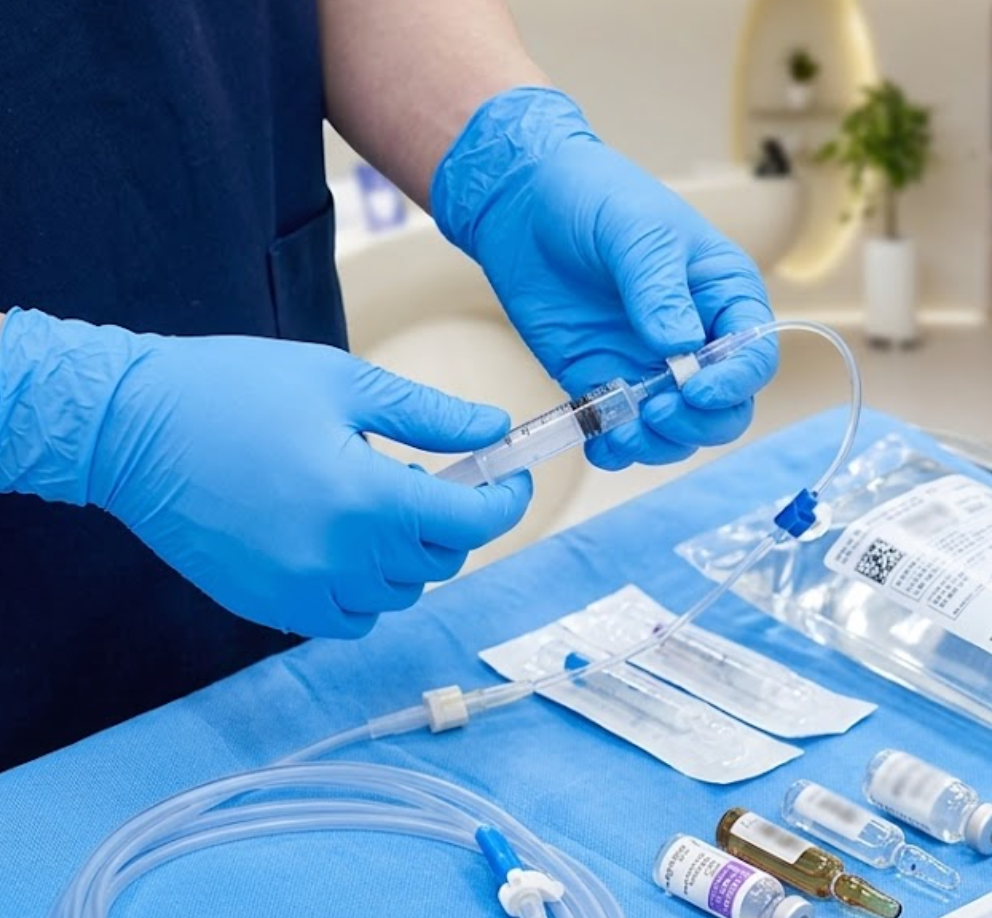
Step 2: IV Line Placement
A small IV line is inserted into your arm or hand.
Step 3: Sedation Begins
Medication is administered slowly to avoid sudden drops in blood pressure.
Step 4: Monitoring
Throughout the procedure, your vital signs are continuously monitored.
Step 5: Adjustments
The anesthesiologist adjusts sedation depth based on:
- Breathing
- Movement
- Heart rate
- Surgical progress
Step 6: Awakening
You wake up naturally within minutes after the procedure ends.
5. Common Questions Foreign Patients Ask
“Will I be awake during sedation?”
You will be semi‑conscious but unaware of the procedure.
“Will I feel pain?”
No. Sedation blocks pain and anxiety.
“Can I communicate?”
Most patients cannot communicate clearly, but they can respond to simple instructions.
“Is sedation safer than general anesthesia?”
For minor procedures, yes.
For major procedures, general anesthesia is safer.
“Will I remember anything?”
Most patients remember nothing.
6. Risks of Anesthesia (And Why They Are Rare in Korea)
All anesthesia carries risks, but Korea’s safety systems make complications extremely rare.
Possible Risks
- Nausea
- Vomiting
- Dizziness
- Allergic reactions
- Blood pressure changes
- Breathing issues (rare)
- Over‑sedation (extremely rare)
Why Risks Are Low in Korea
- Continuous monitoring
- Highly trained anesthesiologists
- Advanced equipment
- Strict protocols
- Slow, controlled sedation administration
7. How Korean Clinics Handle Emergencies
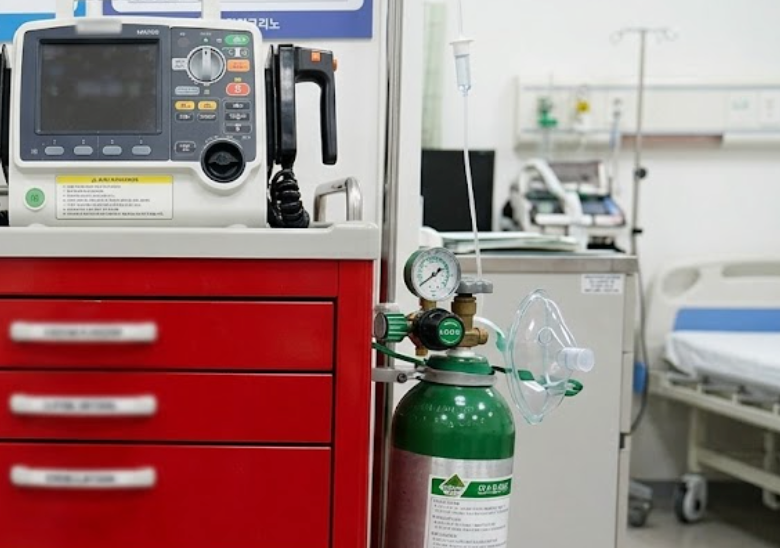
Korean clinics are required to have:
- Defibrillators
- Oxygen supply
- Emergency medications
- Crash carts
- Airway management tools
- Trained emergency staff
Emergency drills are performed regularly.
8. What Foreign Patients Should Tell the Clinic Before Surgery
To ensure maximum safety, foreign patients should disclose:
- Allergies
- Heart conditions
- Asthma
- Sleep apnea
- Previous anesthesia issues
- Medications
- Supplements
- Alcohol consumption
- Smoking habits
This information helps the anesthesiologist adjust sedation safely.
9. How to Know If a Clinic Has Safe Anesthesia Standards
Look for these signs:
✔ Dedicated anesthesiologist present during surgery
Not just at the beginning.
✔ Modern monitoring equipment
ECG, pulse oximeter, CO₂ monitor.
✔ Clear explanation of anesthesia plan
Foreign patients should receive details in English.
✔ Emergency equipment visible
Crash cart, oxygen tank, defibrillator.
✔ No pressure for same‑day surgery
Sales‑driven clinics often cut corners.
✔ Surgeon and anesthesiologist communicate directly
Teamwork is essential.
10. Why Korea Is Safer Than Many Other Countries
1) Higher training standards
Korean anesthesiologists undergo more rigorous training than many countries.
2) Better monitoring equipment
Korean clinics invest heavily in modern machines.
3) More experience with sedation
Korea performs more cosmetic surgeries per capita than any country.
4) Strict government regulations
Operating rooms must meet high standards.
5) Culture of precision
Korean medical culture emphasizes safety and accuracy.
Anesthesia is often the most feared part of surgery for foreign patients, but Korea’s system is one of the safest in the world. With dedicated anesthesiologists, advanced monitoring equipment, strict regulations, and a culture of medical precision, Korean clinics provide exceptional safety and comfort.
Whether you are undergoing rhinoplasty, liposuction, facial contouring, or anti‑aging procedures, you can trust that Korea’s anesthesia standards are designed to protect you at every step.