Getting Plastic Surgery in Korea from Overseas? Everything You Need to Know Before Surgery and Flying Home

These days, as international travel has become much easier again, more and more patients are coming to Korea from overseas for plastic surgery. Not only foreign patients, but also many Koreans who currently live abroad are coming back to Korea specifically for surgery.
Today, it is much easier to contact a hospital from overseas through online chat, KakaoTalk, email, and other communication methods. Many patients can discuss their surgery and make plans before they even arrive in Korea.
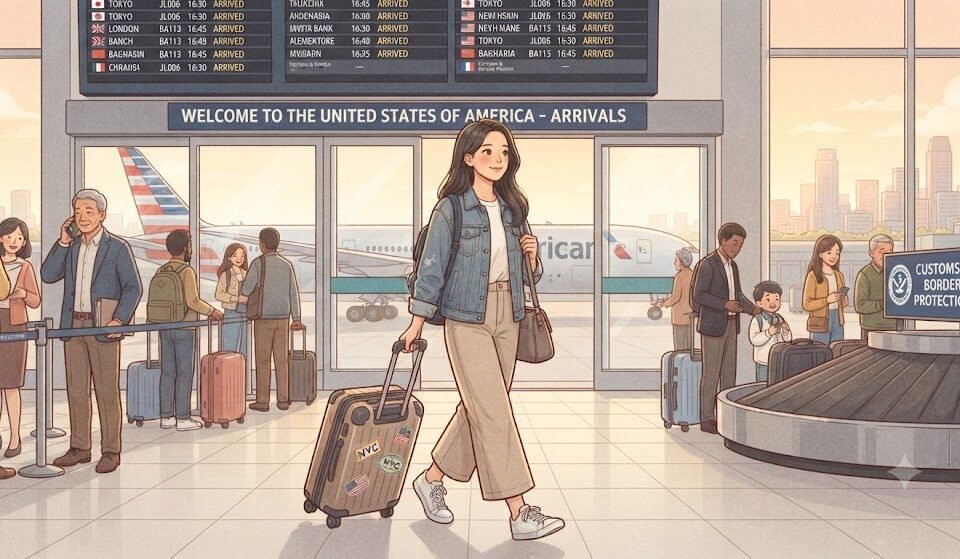
However, compared with people who live in Korea, patients living overseas may have access to less information. They may also have many questions about how to choose a hospital, how to plan their surgery, how long they should stay in Korea, and when they can safely return home after surgery.
So today, we are going to explain the entire process for anyone living overseas who is planning to have plastic surgery in Korea, from choosing a hospital and having a consultation to surgery, recovery, suture removal, and finally returning home.
First, if you are planning to have plastic surgery in Korea, you will probably start by searching for hospitals and contacting the clinics you are interested in.
Once you have chosen a hospital, you will need to consider how long you can stay in Korea and schedule your surgery accordingly. If you want to have surgery on a specific date, it is a good idea to make your reservation in advance.
If you wait until you arrive in Korea and try to have your consultation and surgery at the same time, you may find that your preferred surgery date is already fully booked. You may then have to make a rushed decision because the available dates are limited.
For example, some people come to Korea simply thinking, “I want double eyelid surgery” or “I want rhinoplasty.”
But there are actually many different types of eye surgery, including incisional and non-incisional double eyelid surgery, partial-incision techniques, ptosis correction, upper blepharoplasty, lower blepharoplasty, and other procedures.
That is why it is recommended to have at least a general idea of what you want to improve before coming to Korea.
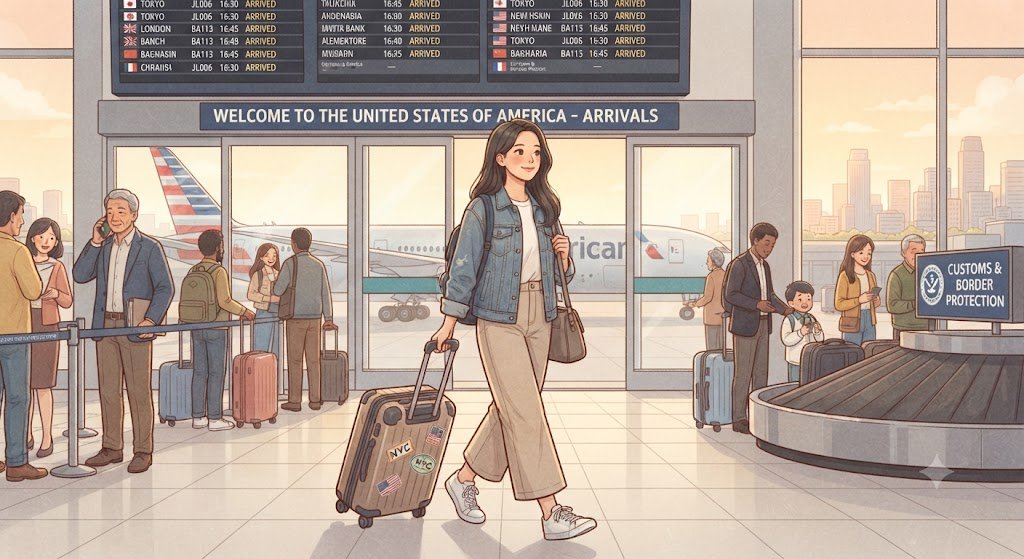
If possible, it is also a good idea to have an online photo consultation with the hospital before you travel.
Of course, an in-person consultation is always the most accurate. But if you live overseas and cannot visit the hospital beforehand, sending photos and receiving a preliminary consultation can still be very helpful.
It allows you to get a general idea of the recommended procedure, the estimated cost, and the amount of time you may need to stay in Korea.
This can also reduce the possibility of arriving in Korea and suddenly discovering that you need additional procedures or a much longer stay than you expected.
Of course, a photo consultation cannot replace an in-person examination. There are cases where the recommended procedure changes after the doctor actually sees the patient’s face.
For example, someone may think they need lower blepharoplasty, but after an in-person examination, lower eyelid fat repositioning may be more appropriate.
Even so, a preliminary photo consultation can be very useful for international patients who need to carefully plan their trip to Korea.
Once you have chosen your hospital and scheduled your surgery, there is another very important thing you need to do.
You should tell your medical team about any medications you are taking, your medical history, allergies, and any treatment you are currently receiving in your home country.
Some medications may need to be stopped before surgery. If you have a history of respiratory, cardiovascular, kidney, immune, or other medical conditions, the hospital may need additional information or preparation.
In some cases, you may even need to bring a medical letter or clearance from your local doctor.
That is why it is extremely important to tell your Korean plastic surgeon about your medical history before you arrive.
Another important factor is your accommodation and length of stay.
The amount of time you need to stay in Korea depends on the type of surgery and your recovery.
For eye or nose surgery, if there are no unusual problems, you can usually schedule your follow-up visits and return home according to your recovery.
However, procedures such as facelift surgery require more careful planning.
After a facelift, the surgical site may need to be checked the following day to monitor bleeding, drainage, and the condition and color of the skin.
For that reason, if you are having a facelift in Korea, it is recommended to book accommodation close to the hospital for at least one or two days after surgery.
Once your surgery and necessary follow-up treatment are completed, it is time to return home.
There is one important document you should take with you: your surgical confirmation letter.
During immigration procedures at the airport, your face may look different from your passport photo because of postoperative swelling and bruising.
This can be especially noticeable after procedures that significantly change the appearance of the face.
Even if your facial structure has not changed dramatically, swelling and bruising alone can make you look quite different.
Most patients have no problems passing through immigration, but there can be exceptions depending on the country.
So it is recommended to carry your surgical confirmation letter, preferably in both Korean and English.
If you are a foreign visitor who does not live in Korea, you may also be eligible for a tax refund on certain medical expenses, so it is worth checking whether you qualify before leaving Korea.
Now, let us answer some of the questions that international patients ask most often.
- The first question is: “Can I fly after plastic surgery?”
Whether you can fly after surgery depends on the type of surgery and your individual recovery, so there is no single answer for everyone.
Cabin pressure is lower than ground-level atmospheric pressure, so swelling or bruising may become somewhat more noticeable during or after a flight.
However, for most standard plastic surgery procedures, the change in cabin pressure is not normally enough to cause properly placed sutures to suddenly open.
That said, different procedures require different precautions, so you should always confirm the appropriate time to fly with your surgeon.
The second common question is: “Can I have my stitches removed in my home country?”
Whenever possible, it is recommended to have your stitches removed in Korea, preferably at the hospital where you had your surgery.
Even when the wound has been properly sutured, healing can vary from person to person.
If your schedule makes it impossible to have the stitches removed in Korea, it may be possible to have them removed locally. However, it is recommended to get a medical letter or instructions from your Korean hospital before you leave.
You should also find a local clinic that can actually remove the type of stitches used in plastic surgery.
The sutures used in plastic surgery can be extremely thin, and the instruments required to remove them can also be different from those used in general surgery.
So you should not simply assume that any nearby surgical clinic will be able to remove them.
The third common concern is: “What if I develop a complication after I return home?”
If you suddenly develop significant swelling, pain, warmth, discharge, or other symptoms that could indicate an infection, do not try to diagnose the problem yourself.
Contact the hospital where you had your surgery as soon as possible.
Depending on the situation, the hospital may be able to provide a medical letter or communicate instructions that can help your local doctor understand what treatment may be needed.
In some cases, early inflammation can improve with medications such as oral antibiotics or topical treatments, depending on the doctor’s assessment.
So if you notice something unusual, don’t panic, but make sure you contact your surgical team.
The important thing is not to ignore symptoms for too long. If a problem is left untreated, it can become more difficult to manage with simple medication or topical treatment.
Early communication with your surgeon is extremely important.
Patients who live overseas also tend to worry more about small amounts of swelling, scar tissue, or minor asymmetry because they are physically far away from the hospital.
However, one or two months after plastic surgery is still relatively early in the recovery process.

Depending on the individual, swelling may still remain, and the tissues may not have fully settled yet. This can sometimes make the result look or feel less natural temporarily.
So it is recommended to stay in contact with your surgical team and monitor your recovery, but unless there is a specific problem, try not to judge the final result too quickly.
Give your body enough time to heal.
Today, we covered the essential information for anyone living overseas who is planning to have plastic surgery in Korea, including choosing a hospital, getting a consultation, scheduling surgery, planning your stay, removing stitches, flying after surgery, and managing your recovery after returning home.
Korea has a high level of plastic surgery, but plastic surgery is still surgery, and complications can occur.
For patients living overseas, it can be more difficult to visit a hospital in person and obtain all the information they need before making a decision.
That is why it is important to research your options carefully and choose both your hospital and surgeon with caution.
Before coming to Korea for plastic surgery, make sure you understand the procedure, recovery process, required length of stay, follow-up schedule, and travel plans.
We hope that your experience with plastic surgery in Korea will ultimately become not only a positive change, but also a good memory and a helpful experience for your future.