
Stop Wasting Money on Shoulder Pain: This One Thing Can Help | How to Fix Shoulder Pain

Shoulder pain is one of the most common reasons people visit clinics, physical therapists, chiropractors, and orthopedic specialists.
Many patients spend years searching for relief.
They try injections.
They try physical therapy.
They try acupuncture.
They try massage devices.
Some even spend thousands of dollars on treatments.
Yet the pain often keeps coming back.
Why?
Because not all shoulder pain is the same.
And treating the wrong condition with the wrong method rarely works.
The most important step in solving shoulder pain is not finding another treatment.
It is understanding what is actually causing the pain.
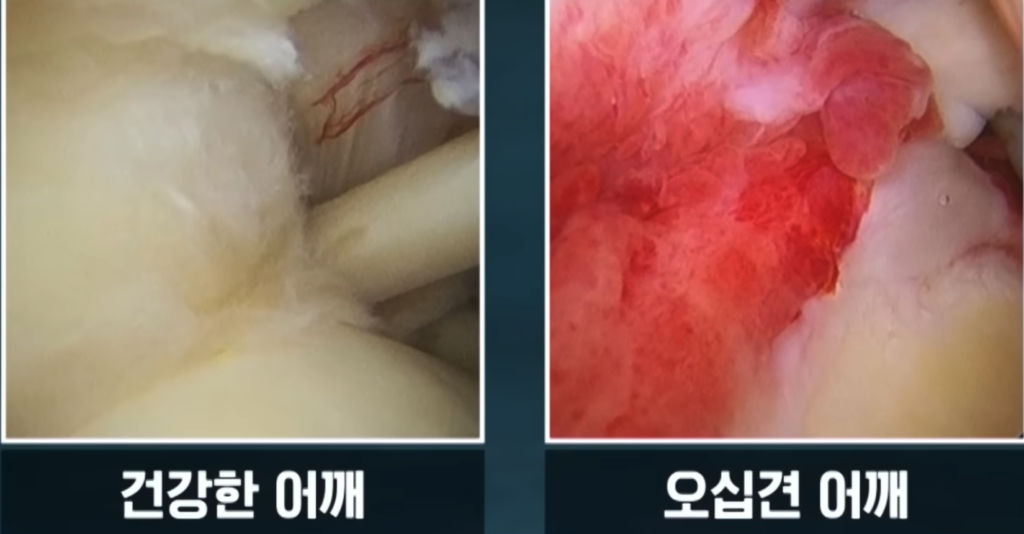
Why the Shoulder Is So Vulnerable
The human shoulder is unique.
Unlike most joints in the body, the shoulder can move in almost every direction.
It allows us to:
- Reach overhead
- Lift objects
- Throw
- Push
- Pull
- Dress ourselves
- Wash our hair
- Perform sports
Because of this incredible range of motion, the shoulder is constantly working.
From the day we are born until the day we die, our shoulders rarely get a break.
That freedom comes with a price.
Over time, wear and tear can lead to pain, inflammation, stiffness, and injury.
Not All Shoulder Pain Is the Same
One of the biggest mistakes people make is assuming every painful shoulder has the same problem.
In reality, several completely different conditions can create similar symptoms.
Common causes include:
- Frozen Shoulder (Adhesive Capsulitis)
- Rotator Cuff Tear
- Shoulder Impingement Syndrome
- Shoulder Stiffness
- Tendon Inflammation
- Labral Injuries
The pain may feel similar.
The treatment is not.
This is why an accurate diagnosis is critical.
Frozen Shoulder: When the Joint Becomes Stuck
Frozen shoulder is one of the most painful shoulder conditions.
In this condition, the capsule surrounding the shoulder joint becomes inflamed and thickened.
As the capsule tightens, shoulder movement becomes severely restricted.
Symptoms of Frozen Shoulder
The hallmark symptom is stiffness.
Patients often notice:
- Difficulty reaching overhead
- Difficulty reaching behind their back
- Severe night pain
- Loss of range of motion
One of the easiest ways doctors identify frozen shoulder is through movement testing.
If both active movement and passive movement are restricted, frozen shoulder becomes highly likely.
In other words:
You cannot lift your arm.
And even if someone else tries to lift it for you, it still will not move much.
Why Frozen Shoulder Hurts at Night
Many people with frozen shoulder report that nighttime is the worst.
Simply turning over in bed can trigger severe pain.
Sleep becomes difficult.
Some people wake up multiple times each night.
Over time, both pain and lack of sleep begin affecting overall quality of life.
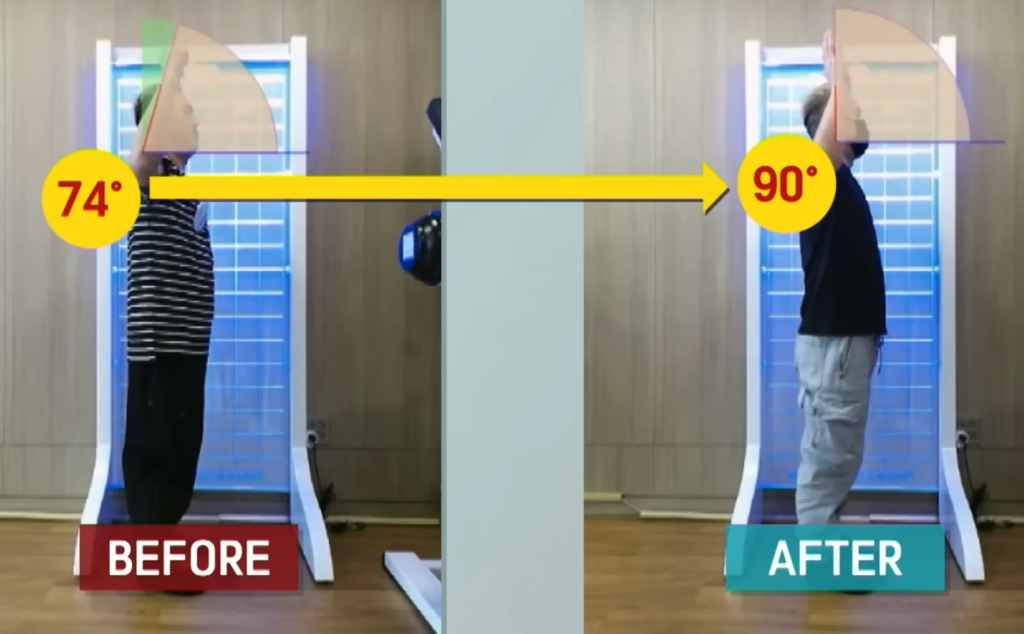
The Key Treatment: Stretching
The good news is that frozen shoulder usually does not require surgery.
The primary treatment is stretching.
However, there is an important rule:
Stretching should be uncomfortable.
Gentle stretching often is not enough.
The tight joint capsule must gradually be lengthened to restore movement.
Patients need consistent stretching performed within tolerable levels of pain.
Rotator Cuff Tears: A Different Problem
Another common source of shoulder pain is a rotator cuff tear.
The rotator cuff consists of four muscles and tendons that stabilize the shoulder and help lift the arm.
When one of those tendons tears, shoulder function begins to decline.
Signs of a Rotator Cuff Tear
Unlike frozen shoulder, patients can often move their arm through a large range of motion.
But specific movements become painful.
Typical symptoms include:
- Pain when lifting the arm above shoulder height
- Weakness
- Difficulty reaching overhead
- Sharp pain during certain motions
Many patients notice that they can raise the arm better when using the opposite hand for assistance.
That distinction often helps doctors differentiate rotator cuff injuries from frozen shoulder.
Does Every Rotator Cuff Tear Need Surgery?
Not necessarily.
The answer depends on:
- Tear size
- Tendon quality
- Muscle condition
- Patient age
- Activity level
Many partial tears can improve through strengthening programs that target surrounding muscles.
However, larger tears may eventually require surgical treatment.

Shoulder Impingement Syndrome
Shoulder impingement syndrome develops when shoulder structures repeatedly rub against each other during movement.
Over time, irritation leads to inflammation and damage.
Why It Happens
One contributing factor is the shape of the acromion, the bony roof of the shoulder.
Research has shown that some people have longer or more curved acromions.
This anatomical variation increases the likelihood that tendons become pinched during arm elevation.
Repeated pinching can gradually lead to:
- Inflammation
- Tendinitis
- Partial tears
- Full-thickness rotator cuff tears
Why Early Treatment Matters
Impingement is often the beginning of a larger problem.
Ignoring symptoms for years may allow tendon damage to worsen.
Many serious rotator cuff injuries started as relatively minor impingement syndromes.
The Biggest Surprise: Exercise Works Better Than Many People Expect
Many patients assume that more treatment equals better results.
Reality often says otherwise.
Some patients spend years trying:
- Injections
- Acupuncture
- Bee venom therapy
- Massage therapy
- Manual therapy
- Specialized devices
Yet improvement remains limited.
Meanwhile, properly prescribed exercise programs often produce dramatic results.
The Golden Rule of Shoulder Rehabilitation
Experts frequently emphasize one principle:
The correct exercise depends on the diagnosis.
What helps one condition may worsen another.

Frozen Shoulder
For frozen shoulder:
- Stretching is essential
- Mild pain during stretching is acceptable
- Increasing mobility is the goal
Rotator Cuff Tear
For rotator cuff injuries:
- Strengthening exercises are important
- Pain during strengthening should be avoided
- Protecting the damaged tendon is critical
Impingement Syndrome
For shoulder impingement:
- Posture correction matters
- Mobility work matters
- Strengthening stabilizing muscles is important
Effective Shoulder Exercises
Several exercises repeatedly showed positive results.
1. Posture Correction Exercise
Poor posture places extra stress on the shoulder joint.
The goal is to:
- Lower the shoulders
- Lengthen the neck
- Open the chest
- Improve scapular positioning
Better posture alone often improves shoulder movement.
2. Cross-Body Stretch
This stretch targets the back portion of the shoulder.
Patients reach across their body and use the opposite arm to pull gently.
It is particularly helpful for frozen shoulder patients.
3. Penguin Exercise
This exercise strengthens muscles around the rotator cuff.
Place a rolled towel between the elbow and the body.
Then rotate the forearm outward.
The movement strengthens external rotators while protecting injured tissues.
4. Angel Wings Exercise
Standing against a wall, patients raise and lower the arms slowly while maintaining contact with the wall.
This improves mobility, posture, and shoulder control.
Remarkable Results in Just Two Weeks
One frozen shoulder patient improved from only 10 degrees of movement to nearly normal motion.
A rotator cuff tear patient increased shoulder movement dramatically while significantly reducing pain.
A patient suffering from impingement syndrome regained mobility from approximately 95 degrees to 165 degrees.
These improvements did not come from surgery.
They came from consistency.
The Real Secret Is Not a Miracle Treatment
People often look for:
- A miracle injection
- A miracle medication
- A miracle machine
But the real answer is usually much simpler.
Daily movement.
Daily stretching.
Daily strengthening.
Consistency beats intensity.
Small efforts performed every day often produce greater results than expensive treatments performed occasionally.
The True Solution to Shoulder Pain
Most shoulder conditions can improve.
Some can improve dramatically.
But success depends on three things:
- Correct diagnosis
- Appropriate exercise selection
- Daily consistency
Many people spend years searching for the perfect treatment while ignoring the thing that matters most.
Movement.
When the right exercises are matched to the right diagnosis and performed consistently, recovery becomes possible.
Conclusion
If you are suffering from shoulder pain, stop assuming all shoulder problems are the same.
Frozen shoulder, rotator cuff tears, and shoulder impingement syndrome require different approaches.
The key is understanding the source of your pain.
For many patients, the answer is not another injection or another expensive treatment.
The answer is learning how to move correctly, strengthening the right muscles, and committing to a consistent exercise routine.
In the end, the most powerful treatment for shoulder pain is often not found in a clinic.
It is found in what you do every day.