
Korea Medical Tourism & Medical Visa Guide — Essential Information for Foreign Patients

Korea has become one of the world’s most trusted destinations for medical tourism, attracting thousands of foreign patients every year for cancer treatment, robotic surgery, cosmetic procedures, health check‑ups, and advanced diagnostics. With world‑class hospitals, highly trained specialists, fast medical services, and a safe urban environment, Korea offers a unique combination of high‑quality healthcare and convenient travel experiences.
This comprehensive guide provides essential information for foreign medical visitors, including details about Korea’s medical visa, treatment and sightseeing plans, recommended accommodations, hospital‑friendly neighborhoods, and practical tips for long‑term stays.
🩺 1. Understanding Korea’s Medical Tourism System
Korea’s medical tourism system is designed to support foreign patients who visit the country for treatment, surgery, or health check‑ups. The government actively promotes medical tourism through certified medical institutions, international patient centers, and streamlined visa processes.
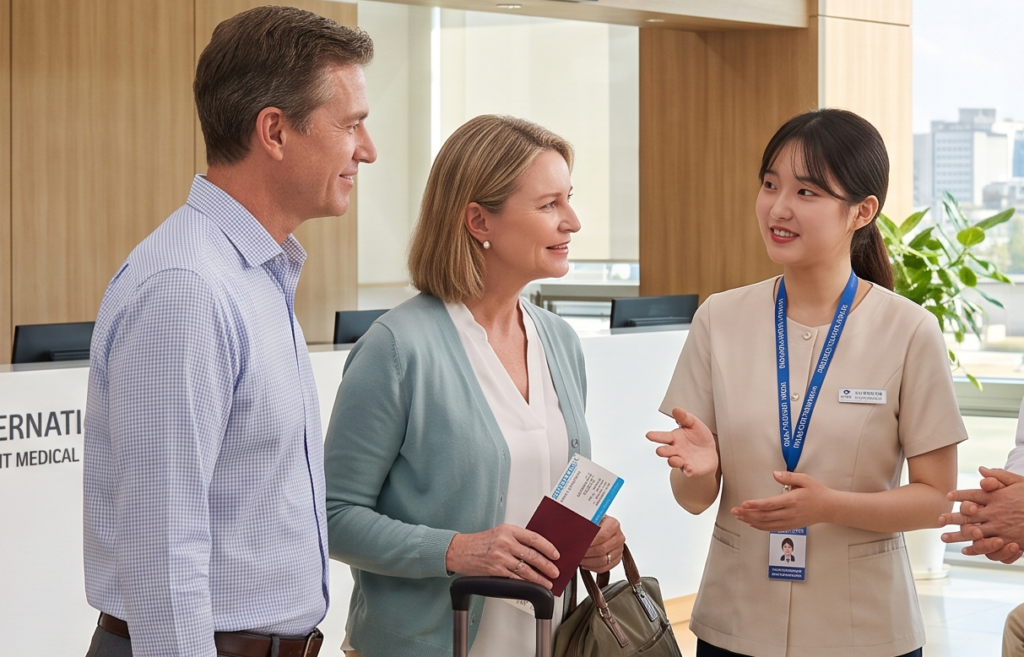
✔ Why Korea is a top medical tourism destination
- High surgical success rates in cancer, cardiac surgery, neurosurgery, and orthopedics
- Advanced robotic surgery widely available
- Fast diagnostics (CT, MRI, PET‑CT often completed within days)
- Affordable costs compared to the US, Europe, and Middle East
- Strong international patient support in major hospitals
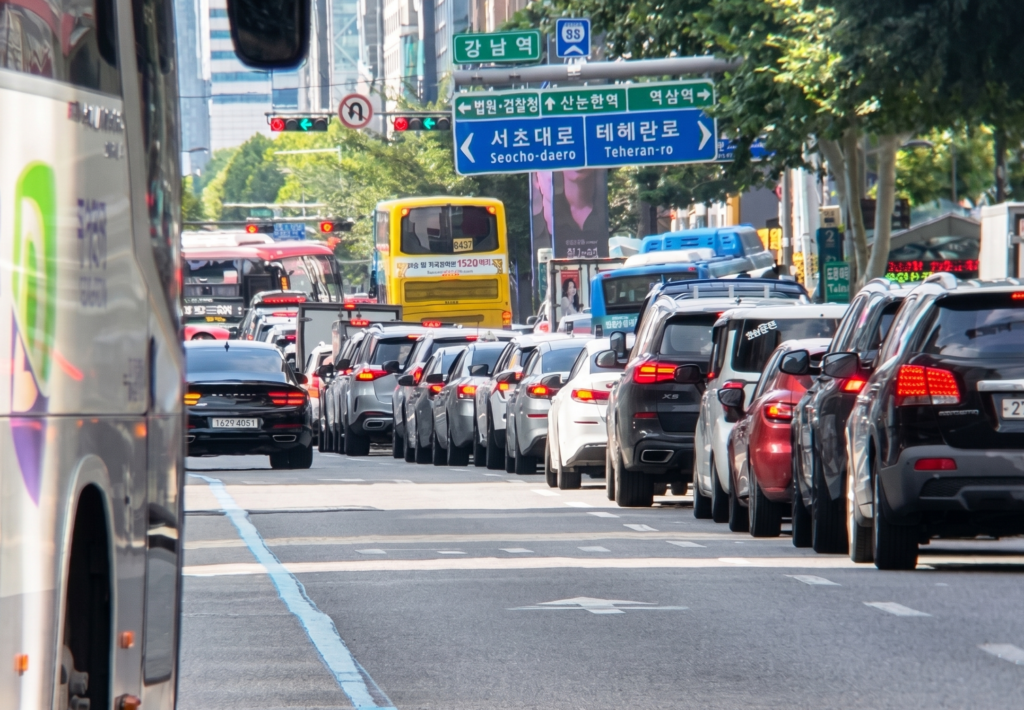
- Safe cities and convenient transportation
- English‑friendly medical staff in international clinics
Foreign patients often choose Korea because treatment is both high‑quality and efficient, reducing waiting times and improving outcomes.
🩺 1. Understanding Korea’s Medical Tourism System
Korea’s medical tourism system is designed to support foreign patients who visit the country for treatment, surgery, or health check‑ups. The government actively promotes medical tourism through certified medical institutions, international patient centers, and streamlined visa processes.
✔ Why Korea is a top medical tourism destination
- High surgical success rates in cancer, cardiac surgery, neurosurgery, and orthopedics
- Advanced robotic surgery widely available
- Fast diagnostics (CT, MRI, PET‑CT often completed within days)
- Affordable costs compared to the US, Europe, and Middle East
- Strong international patient support in major hospitals
- Safe cities and convenient transportation
- English‑friendly medical staff in international clinics
Foreign patients often choose Korea because treatment is both high‑quality and efficient, reducing waiting times and improving outcomes.
🛂 2. Korea Medical Visa (C‑3‑3 / G‑1‑10) — Complete Guide
Foreign patients visiting Korea for medical treatment may apply for a Medical Tourism Visa, which allows them to stay in Korea for examinations, surgery, rehabilitation, and long‑term care.
Korea offers two main types of medical visas:
🩺 C‑3‑3 Short‑Term Medical Visa (Up to 90 days)
This visa is suitable for patients visiting Korea for short‑term treatment such as:
- Cancer diagnosis
- Health check‑ups
- Minor surgeries
- Cosmetic procedures
- Short rehabilitation programs
✔ Requirements
- Passport
- Visa application form
- Medical appointment confirmation from a Korean hospital
- Treatment plan or medical invitation letter
- Proof of financial ability
✔ Who should apply
Patients who plan to stay less than 3 months.
🩺 G‑1‑10 Long‑Term Medical Visa (Up to 1 year)
This visa is designed for patients requiring long‑term treatment such as:
- Cancer surgery + postoperative care
- Chemotherapy or radiation therapy
- Organ transplant follow‑up
- Long rehabilitation programs
- Chronic disease management
✔ Requirements
- Medical invitation letter
- Detailed treatment plan
- Proof of funds for long‑term stay
- Medical records from home country
- Hospital confirmation of long‑term treatment
✔ Who should apply
Patients who need extended treatment or multiple hospital visits.
🧑🤝🧑 Guardian Visa (Accompanying Family Members)
Korea allows one or more guardians to accompany the patient.
Guardians can apply for:
- C‑3‑3 (short‑term)
- G‑1‑10 (long‑term)
They must submit:
- Proof of relationship
- Patient’s medical visa documents
- Financial proof
🛃 Visa Application Process (Step‑by‑Step)
- Choose a certified Korean hospital
- Request a medical invitation letter
- Prepare medical records from home country
- Submit visa application to Korean embassy
- Receive visa approval
- Enter Korea and visit the hospital
- Register address if staying long‑term
Processing time usually takes 5–14 days, depending on the country.
🏨 3. Recommended Accommodation for Foreign Patients
Foreign patients often need comfortable, accessible, and safe accommodations near major hospitals. Korea offers a wide range of options, from serviced residences to long‑term apartments.
🏨 Best Accommodation Types for Medical Visitors
✔ Serviced Residences
Ideal for long‑term stays (1–12 months).
Includes kitchen, laundry, cleaning service.
Examples:
- Oakwood Premier Coex (Gangnam)
- Somerset Palace Seoul (Jongno)
- ArtnStay Residence (Gangnam)
✔ Medical Stay Hotels
Hotels located near hospitals with medical visitor support.
Examples:
- Lotte City Hotel (near Seoul National University Hospital)
- Shilla Stay (near Samsung Medical Center)
- RYSE Hotel (near Severance Hospital)
✔ Short‑Term Apartments
Good for families or guardians staying together.
Platforms:
- Airbnb
- Yanolja
- Agoda Homes
🏥 Best Areas to Stay Near Major Hospitals
✔ Jongno (Seoul National University Hospital)
- Safe, central area
- Many serviced residences
- Easy access to cultural sites
✔ Sinchon / Hongdae (Severance Hospital)
- Young, vibrant neighborhood
- Many hotels and restaurants
- Direct airport bus access
✔ Gangnam (Samsung Medical Center)
- Modern, foreigner‑friendly
- Luxury hotels and serviced apartments
- Easy transportation
✔ Songpa (Asan Medical Center)
- Quiet, residential area
- Long‑term apartments available
- Near Lotte World Tower
✔ Goyang (National Cancer Center)
- Peaceful suburban area
- Affordable long‑term stays
- Easy subway access
🗺️ 4. Treatment + Tourism Course Recommendations
Many foreign patients combine treatment with sightseeing, especially during recovery periods. Korea offers safe, accessible attractions suitable for patients and families.
🧘 Recovery‑Friendly Tourism Courses
✔ Seoul Healing Course
- Bukchon Hanok Village
- Gyeongbokgung Palace
- Cheonggyecheon Stream
- Seoul Forest
- Han River Park
✔ Cultural Experience Course
- Korean traditional tea ceremony
- K‑pop museum
- Korean cooking class
- Temple stay programs
✔ Light Walking Course
- Namsan Tower
- Olympic Park
- Seokchon Lake
- Bukhansan foothill trails
✔ Shopping & Relaxation
- COEX Mall
- Lotte World Tower
- Myeongdong
- Garosu‑gil
All locations are wheelchair‑friendly and accessible by public transportation.
🛒 5. Hospital‑Friendly Neighborhood Facilities
Foreign patients often need easy access to daily essentials.
Korea’s major hospital districts offer:
✔ Pharmacies
Open until late; many speak basic English.
✔ Convenience Stores
24/7 access to food, drinks, and essentials.
✔ International Restaurants
Halal, vegan, Indian, Middle Eastern, Western options available.
✔ Supermarkets
E‑Mart, Lotte Mart, Homeplus for long‑term stays.
✔ Transportation
Taxi, subway, airport buses, and hospital shuttle services.
✔ Medical Supply Stores
Wheelchairs, walkers, braces, compression garments.
🧭 6. Practical Tips for Foreign Medical Visitors
✔ Bring medical records from your home country
Helps Korean doctors understand your history.
✔ Use hospital international clinics
They provide interpretation and scheduling.
✔ Download essential apps
- Naver Map
- Kakao Taxi
- Papago (translation)
✔ Prepare for fast medical schedules
Korea’s diagnostics are extremely quick.
✔ Consider long‑term accommodation
Especially for cancer treatment or rehabilitation.
✔ Learn basic Korean medical terms
Helpful for daily communication.