
When foreign patients choose Korea for plastic surgery, one of the most common concerns is:
“What happens if an emergency occurs during or after surgery?”
This is a valid question — and the answer is reassuring.
Korea has one of the most advanced, fastest, and most reliable medical emergency response systems in the world.
From strict national regulations to high‑tech equipment and rapid hospital coordination, Korea’s system is designed to protect patients at every stage.
This guide explains why Korea’s emergency response system is globally recognized for its strength, and why foreign patients can feel safe undergoing medical procedures in Korea.
★ 1. Korea Has a National Emergency Medical System Backed by Law
Korea’s emergency medical system is governed by the Emergency Medical Service Act, which requires:
• certified emergency medical centers
• trained emergency staff
• standardized emergency protocols
• 24/7 readiness
• strict reporting and documentation
• rapid patient transfer systems
This legal foundation ensures that emergency response is not optional —
it is mandatory for all medical institutions.
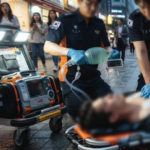
★ 2. Korea’s 119 Emergency System Is One of the Fastest in Asia
Korea’s national emergency hotline, 119, is known for:
• extremely fast dispatch times
• advanced GPS tracking
• multilingual support
• trained paramedics
• direct hospital communication
• rapid transportation
Foreigners often say Korea’s emergency response feels “faster than in my home country.”
★ 3. Korean Plastic Surgery Clinics Must Maintain Emergency Equipment
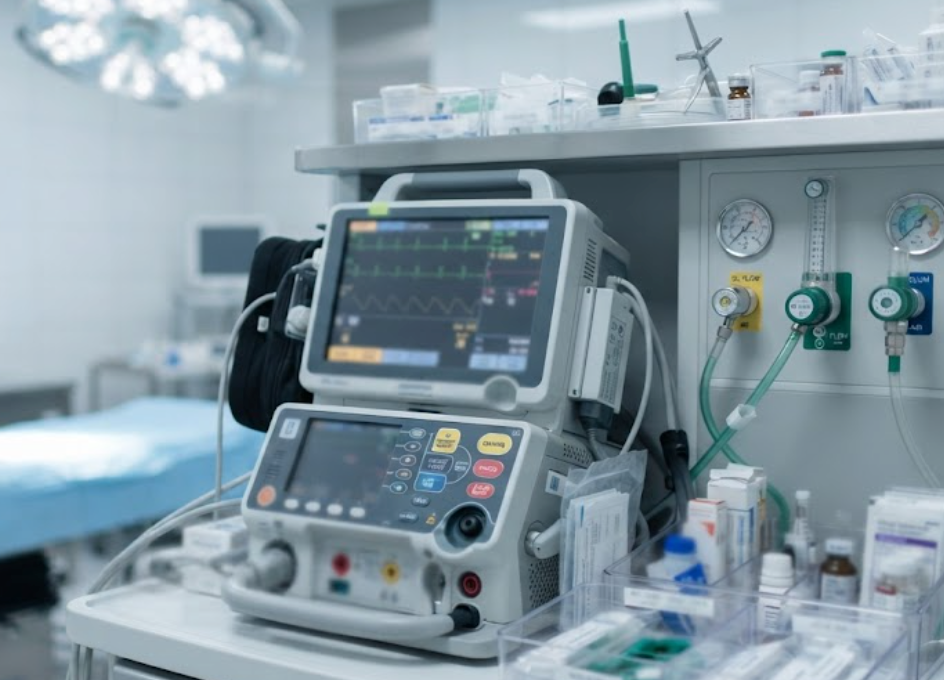
By law, reputable clinics must have:
• oxygen supply systems
• defibrillators
• airway management tools
• emergency medications
• patient monitoring systems
• sterilized emergency kits
• anesthesia emergency equipment
This ensures clinics can respond instantly to:
• breathing issues
• allergic reactions
• anesthesia complications
• cardiac irregularities
• unexpected bleeding
Korea’s equipment standards are often higher than those in other medical tourism destinations.
★ 4. Korea’s Surgeons and Staff Are Trained in Emergency Protocols
Korean surgeons undergo:
• emergency response training
• airway management training
• CPR certification
• anesthesia complication management
• rapid intervention protocols
• team-based emergency drills
This means emergencies are handled by highly trained professionals, not general staff.
★ 5. Korea Has On-Site Anesthesiologists for Emergency Situations
Unlike many countries where anesthesia is administered by nurses or general doctors,
Korea requires:
• board-certified anesthesiologists
• full-time anesthesia teams
• emergency-trained specialists
This dramatically reduces risk during surgery.

★ 6. Korea Uses Advanced Monitoring Systems to Detect Emergencies Early
Korean clinics use:
• ECG
• SpO2
• CO₂ monitoring
• blood pressure monitoring
• respiratory rate monitoring
• BIS brain monitoring
These systems detect even the smallest changes in patient condition, allowing early intervention.
★ 7. Korea Has Rapid Hospital Transfer Systems
If a clinic needs to transfer a patient to a larger hospital, Korea’s system allows:
• immediate 119 dispatch
• direct communication with receiving hospitals
• priority acceptance for emergency cases
• fast transportation routes
• seamless handover protocols
Foreign patients benefit from Korea’s dense hospital network and fast coordination.
★ 8. Korea’s Hospitals Are Highly Equipped for Emergency Cases
Major Korean hospitals have:
• advanced ICUs
• emergency surgery teams
• multilingual staff
• 24/7 specialists
• high-tech diagnostic equipment
• rapid blood testing
• advanced imaging (CT/MRI)
This ensures patients receive world-class emergency care if needed.
★ 9. Korea’s Medical Culture Prioritizes Prevention and Rapid Action
Korean medical culture emphasizes:
• early detection
• rapid intervention
• strict monitoring
• detailed documentation
• patient safety above all
This mindset leads to faster and more accurate emergency responses.
★ 10. Korea Has Extremely Low Emergency Complication Rates
Because of:
• strict regulations
• advanced equipment
• highly trained staff
• strong hospital networks
• rapid response systems
• high case volume
Korea’s emergency complication rate is among the lowest globally.
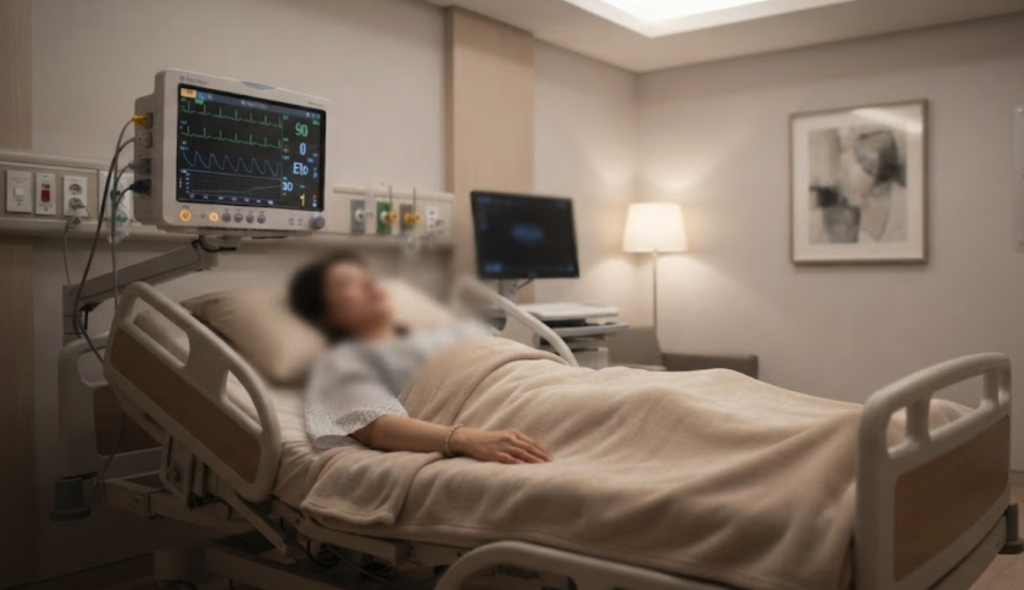
★ 11. Korea’s Clinics Provide Post-Operative Monitoring to Prevent Emergencies
After surgery, clinics offer:
• monitored recovery rooms
• nurse-assisted observation
• vital sign checks
• swelling management
• pain control
• medication guidance
• emergency support
This reduces the chance of post-operative emergencies.
★ 12. Foreign Patients Benefit from Korea’s Multilingual Emergency Support
Many clinics provide:
• English-speaking staff
• multilingual coordinators
• emergency translation support
• foreigner-friendly documentation
This ensures foreign patients receive clear communication during emergencies.
★ Final Summary
Korea’s emergency response system is one of the strongest in the world because of:
• strict national regulations
• fast 119 emergency services
• advanced clinic equipment
• highly trained surgeons and anesthesiologists
• early detection monitoring systems
• rapid hospital transfer networks
• world-class emergency hospitals
• strong medical culture
• low complication rates
• structured post-op monitoring
Foreign patients can feel confident that Korea provides one of the safest environments for both surgery and emergency care.