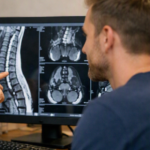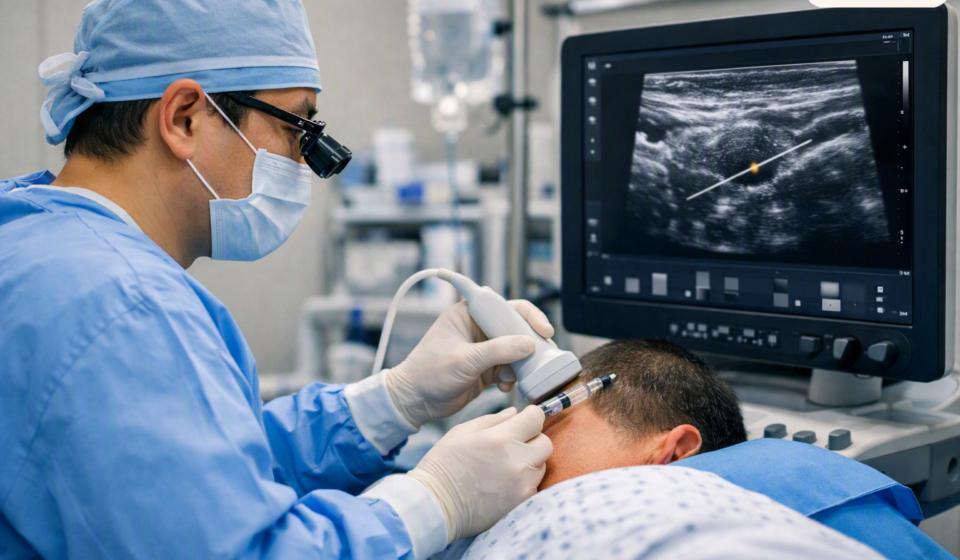

Pain management and rehabilitation medicine in Korea are among the most advanced in Asia, offering world-class treatment for chronic pain, spine disorders, joint problems, nerve pain, and post‑surgical recovery. Foreign patients often visit Korea not only for surgery but also for non‑surgical pain relief, physical therapy, and rehabilitation programs that combine modern medical technology with personalized care.
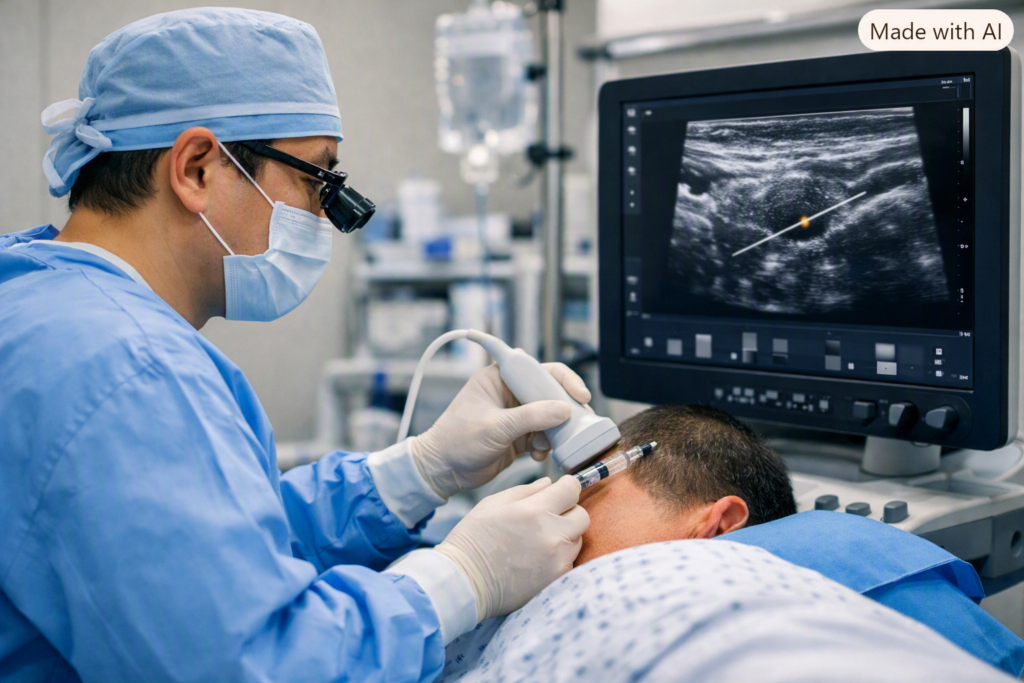
This guide explains how Korea treats pain-related conditions, what foreign patients can expect, and why Korean rehabilitation medicine is considered one of the most effective systems in the world.
1. Why Korea Is a Global Leader in Pain Management & Rehabilitation
Korea’s pain clinics and rehabilitation centers are known for:
Advanced Diagnostic Tools
- High-resolution MRI
- CT scans
- Ultrasound-guided injections
- Nerve conduction studies
- EMG (electromyography)
Highly Trained Specialists
Korean pain specialists complete:
- 6 years of medical school
- 4 years of residency
- Additional training in pain medicine, rehabilitation, or spine care
Fast & Efficient Care
Foreign patients appreciate:
- Same-day MRI
- Immediate diagnosis
- Quick treatment plans
- Minimal waiting times
Holistic Treatment Approach
Korea combines:
- Medical treatment
- Physical therapy
- Manual therapy
- Nerve block injections
- Exercise rehabilitation
- Lifestyle counseling
2. Common Pain Conditions Treated in Korea
1) Back Pain & Sciatica
One of the most common reasons foreign patients visit Korea.
Symptoms:
- Lower back pain
- Leg pain
- Numbness
- Tingling
- Weakness
2) Neck & Shoulder Pain
Often caused by:
- Herniated cervical disc
- Muscle tension
- Poor posture
- Nerve compression
3) Joint Pain (Knee, Hip, Shoulder)
Korea treats:
- Arthritis
- Meniscus injuries
- Rotator cuff tears
- Sports injuries
4) Nerve Pain
Including:
- Neuropathy
- Post-herpetic neuralgia
- Chronic nerve compression
5) Post-Surgical Pain
After:
- Spine surgery
- Orthopedic surgery
- Neurosurgery
3. Diagnostic Methods in Korean Pain Clinics
Korean clinics use advanced tools to identify the exact cause of pain.
MRI
Shows:
- Disc herniation
- Nerve compression
- Joint damage
CT Scan
Useful for:
- Bone structure
- Spinal stenosis
- Fractures
Ultrasound
Used for:
- Guided injections
- Soft tissue evaluation
Nerve Conduction Studies & EMG
Diagnose:
- Nerve damage
- Muscle disorders
4. Non-Surgical Pain Treatments in Korea
Korea is known for effective non-surgical pain management.
1) Nerve Block Injections
Used for:
- Sciatica
- Neck pain
- Shoulder pain
- Facet joint pain
Types:
- Epidural steroid injection
- Facet joint block
- Trigger point injection
- Sympathetic nerve block
Benefits:
- Fast pain relief
- Minimally invasive
- No downtime
2) Physical Therapy
Korean hospitals offer:
- Manual therapy
- Spinal decompression
- Strength training
- Stretching programs
- Balance training
Therapists use modern equipment and personalized exercise plans.
3) Manual Therapy (Chuna-style techniques)
Includes:
- Joint mobilization
- Muscle release
- Posture correction
Often combined with Western physical therapy.
4) Medication Management
For:
- Chronic pain
- Neuropathy
- Muscle spasms
- Inflammation
5) Shockwave Therapy
Used for:
- Tendon injuries
- Plantar fasciitis
- Chronic muscle pain
6) Radiofrequency Ablation (RFA)
Used for:
- Chronic back pain
- Facet joint pain
Destroys small nerve fibers to reduce pain.
5. Rehabilitation Programs in Korea
Korean rehabilitation centers offer structured programs for:
Post-Surgery Recovery
After:
- Spine surgery
- Joint replacement
- Brain surgery
Programs include:
- Strength training
- Gait training
- Balance exercises
- Pain management
Sports Injury Rehabilitation
For:
- ACL tears
- Meniscus injuries
- Rotator cuff tears
- Muscle strains
Neurological Rehabilitation
For:
- Stroke
- Parkinson’s
- Spinal cord injury
Includes:
- Gait robots
- Balance machines
- Cognitive training
6. What to Expect During a Pain Clinic Visit in Korea
Step 1: Registration
Provide medical history and symptoms.
Step 2: Diagnostic Testing
Same-day:
- MRI
- Ultrasound
- Physical exam
Step 3: Consultation
Doctor explains:
- Diagnosis
- Treatment options
- Injection plan
- Rehabilitation schedule
Step 4: Treatment
You may receive:
- Nerve block
- Physical therapy
- Medication
- Manual therapy
Step 5: Follow-Up
Foreign patients often return for:
- Additional injections
- Rehabilitation sessions
- Progress evaluation
7. How Long Should Foreign Patients Stay in Korea?
Nerve Block Treatment
3–5 days
Physical Therapy Program
7–14 days
Post-Surgery Rehabilitation
14–30 days
Chronic Pain Management
7–10 days
8. Costs of Pain Treatment in Korea
Consultation
₩20,000 – ₩50,000
(USD $15 – $40)
MRI
₩250,000 – ₩450,000
(USD $180 – $330)
Nerve Block Injection
₩100,000 – ₩250,000
(USD $75 – $190)
Physical Therapy
₩30,000 – ₩80,000
(USD $25 – $60)
Shockwave Therapy
₩50,000 – ₩120,000
(USD $40 – $90)
Radiofrequency Ablation
₩500,000 – ₩1,200,000
(USD $380 – $900)
Korea offers competitive pricing compared to the US, Europe, and Singapore.
9. How to Choose a Korean Pain Clinic
Consider:
- Doctor’s specialization
- MRI availability
- Injection experience
- Rehabilitation equipment
- English support
- Location (Gangnam, Apgujeong, Sinsa)
10. Final Thoughts
Korea offers world-class pain management and rehabilitation care for chronic pain, spine disorders, joint problems, nerve pain, and post-surgical recovery. With advanced diagnostic tools, highly trained specialists, and personalized treatment programs, Korean clinics provide safe, effective, and reliable solutions for foreign patients seeking non-surgical pain relief and rehabilitation.
Whether you struggle with back pain, nerve issues, joint problems, or post-surgery recovery, Korea remains one of the best destinations for pain treatment.
🔗 Updated Recommended Links
- Korean Doctor Interview
- About Korea 8282
- MediKorea82 (Medical Tourism Info)