
Inside Korea’s modern sleep medicine culture — where technology, neuroscience, and quiet clinical design help patients rediscover rest.
Sleep is no longer just a biological function.
In Korea, sleep has become a science — measured, analyzed, and treated with precision.
Across Seoul, Busan, and major cities, sleep clinics are filled with people seeking answers to insomnia, sleep apnea, stress-related sleep disorders, and irregular sleep cycles. What they find is a uniquely Korean approach: a blend of modern medical technology, neuroscience, mental health expertise, and a cultural understanding of rest.
Foreigners often say:
“Korea helped me understand my sleep for the first time.”
This article explores how Korea built one of Asia’s most advanced sleep medicine ecosystems — and why it’s becoming a global destination for people searching for real rest.
🌙 Korea’s Modern Sleep Culture: A Nation Obsessed With Rest
Korea is one of the most sleep-deprived countries in the world.
Long work hours, academic pressure, digital overstimulation, and urban living have created a national conversation around sleep.
This cultural shift led to:
- A boom in sleep clinics
- Advanced sleep laboratories
- Government-supported sleep research
- Integration of mental health and sleep medicine
- Rapid adoption of CPAP and sleep apnea treatment
- Widespread use of sleep apps and wearables
Korea treats sleep not as a luxury — but as a medical priority.
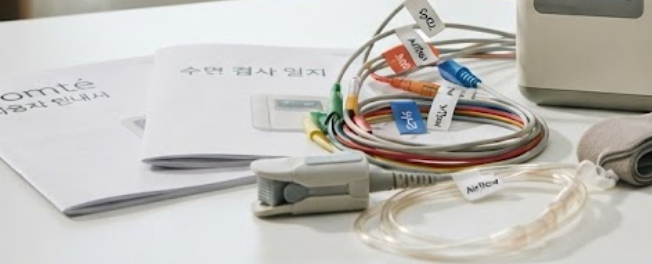
🌙 Why Korea’s Sleep Medicine System Feels Different
Foreigners who visit Korean sleep clinics often describe the experience as:
✔ Fast
✔ Organized
✔ Quiet
✔ Technologically advanced
✔ Surprisingly affordable
Korea’s medical system is built for speed and precision, and sleep medicine follows the same philosophy.
🌙 The Korean Sleep Clinic Experience: Calm, Quiet, and Scientific
Korean sleep clinics feel different from Western sleep labs.
✔ Soft lighting
✔ Minimalist interiors
✔ Quiet hallways
✔ Hotel-like sleep rooms
✔ Modern monitoring equipment
The design is intentional — calm spaces help patients sleep naturally during testing.
🌙 How Sleep Is Diagnosed in Korea: The Science Behind Rest
Korea uses a multi-layered diagnostic system that blends neurology, psychiatry, pulmonology, and ENT medicine.
🔵 1) The First Consultation: Understanding Your Sleep Story
Doctors begin with:
- Sleep patterns
- Stress levels
- Breathing issues
- Snoring
- Daytime fatigue
- Medication history
- Mental health factors
- Work schedule
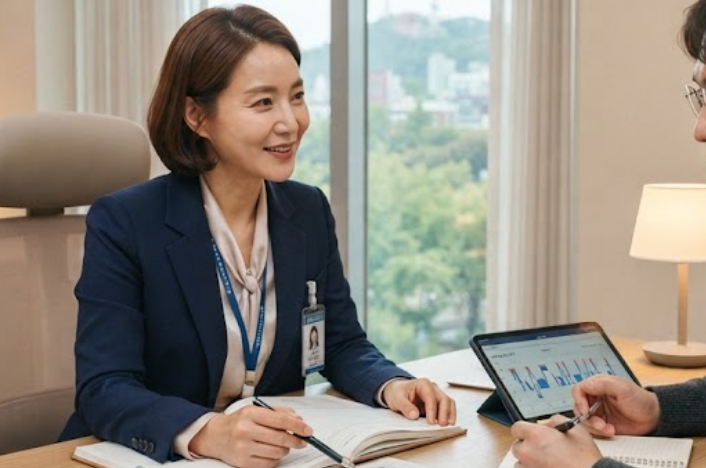
Korean doctors are trained to identify sleep disorders quickly and precisely.
🔵 2) Sleep Questionnaires & Digital Tracking
Patients often complete:
- Insomnia Severity Index
- Epworth Sleepiness Scale
- Stress & anxiety assessments
- Sleep diaries
- Wearable device data
Korea integrates digital health deeply into sleep medicine.
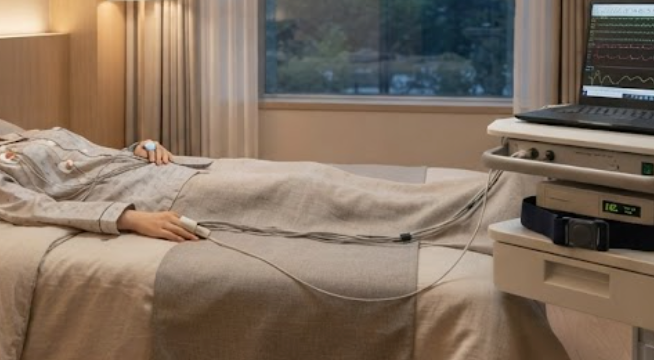
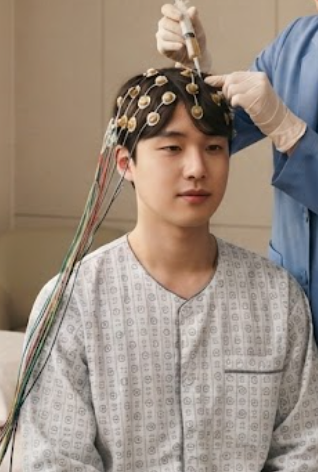
🔵 3) Polysomnography (Overnight Sleep Study)
This is the core of Korean sleep science.
Measures:
- Brain waves
- Breathing
- Oxygen levels
- Heart rate
- Snoring
- Leg movement
- Sleep stages
- Apnea events
Korean sleep labs use modern, quiet rooms that feel more like boutique hotel suites than hospitals.
🔵 4) Home Sleep Testing (HST)
For mild cases, Korea offers portable devices.
Measures:
- Breathing
- Oxygen
- Snoring
- Sleep position
Fast, convenient, and accurate.
🔵 5) Additional Medical Testing
Depending on symptoms:
- ENT airway examination
- Lung function tests
- Neurological evaluation
- Stress hormone tests
- ADHD screening
- Mental health evaluation
Korea’s multidisciplinary approach makes diagnosis more accurate than in many countries.
🌙 Insomnia in Korea: Treated With Science, Not Guesswork
Korea treats insomnia using a structured, evidence-based approach.
✔ Cognitive Behavioral Therapy for Insomnia (CBT-I)
Gold standard treatment.
✔ Sleep hygiene coaching
Lifestyle adjustments tailored to Korean work culture.
✔ Medication when needed
- Zolpidem
- Eszopiclone
- Melatonin
- Low-dose antidepressants
- Anti-anxiety medication
✔ Stress management
Integrated psychiatry + counseling.
✔ Circadian rhythm correction
Light therapy + schedule planning.
Korean doctors focus on root causes, not just symptoms.
🌙 Sleep Apnea in Korea: Fast Diagnosis, Fast Treatment
Sleep apnea is extremely common — and Korea treats it aggressively.
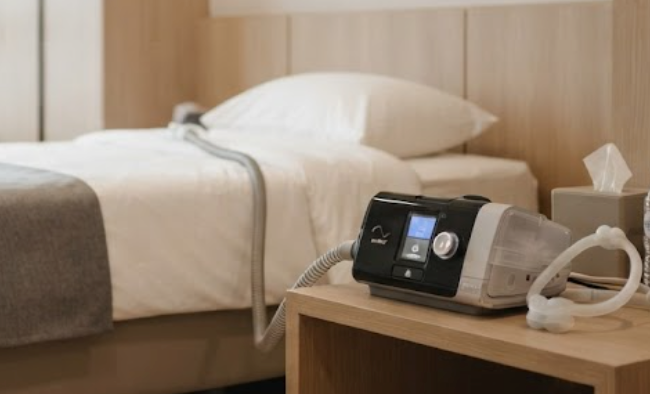
✔ CPAP therapy
Most effective treatment.
✔ Oral appliances
For mild cases.
✔ ENT surgery options
For structural airway issues.
✔ Weight management programs
Integrated into treatment.
✔ Follow-up sleep studies
To confirm improvement.
Korea has some of the fastest CPAP access in Asia.
🌙 Stress-Related Sleep Disorders: Korea’s Specialty
Korea excels at treating sleep problems caused by:
- Work stress
- Anxiety
- Burnout
- ADHD
- Depression
- Trauma
Treatment includes:
✔ Psychiatry
✔ Counseling
✔ Medication
✔ Sleep therapy
✔ Stress reduction programs
Korea’s mental health system works closely with sleep medicine — a unique advantage.
🌙 Why Foreigners Choose Korean Sleep Clinics
Foreign residents often say Korea’s sleep clinics feel:
✔ Clear
✔ Efficient
✔ Modern
✔ Affordable
✔ Multilingual
✔ Science-driven
Benefits include:
- English-speaking doctors
- International hospitals
- Quick scheduling
- Modern equipment
- Clear explanations
- Affordable testing
- Easy follow-up care
Korea is one of the easiest countries for foreigners to get sleep treatment.
🌙 Costs: Sleep Diagnosis & Treatment in Korea
Approximate prices (without insurance):
- Consultation: ₩20,000–₩40,000
- Polysomnography: ₩300,000–₩700,000
- Home sleep test: ₩100,000–₩200,000
- CPAP device: ₩700,000–₩1,500,000
- Follow-up visits: ₩20,000–₩40,000
With insurance, costs drop significantly.
🌙 Conclusion: Korea Has Turned Sleep Into a Science
Korea’s sleep medicine system blends:
- Neuroscience
- Psychiatry
- Pulmonology
- ENT medicine
- Digital health
- Modern clinical design
- Fast diagnostics
- Affordable treatment
It is a system built for real people, real stress, and real recovery.
For foreigners struggling with sleep issues, Korea offers clarity, comfort, and effective treatment — often faster than anywhere else.
Korea is not just a leader in dermatology and surgery.
It is becoming a global leader in sleep science.