Why Swelling and Bruising Last Longer After Plastic Surgery: The Hidden Role of Lymphatic Anatomy

The real reason some patients stay swollen for weeks — and why Korean surgeons focus on lymphatic recovery.
Swelling and bruising are universal after plastic surgery.
But why do some patients recover quickly while others stay swollen for weeks or even months?
Most people assume it’s:
- Surgical skill
- Individual healing speed
- Skin thickness
- Age
- Lifestyle
These factors matter — but they are not the main reason.
The real answer lies deeper, in a system most patients never hear about:
The lymphatic system.
This article explores how lymphatic anatomy affects swelling and bruising, why certain surgeries disrupt lymphatic flow more than others, and how Korean clinics use advanced lymphatic recovery protocols to dramatically shorten downtime.
⭐ What Is the Lymphatic System?
The lymphatic system is the body’s drainage network.
It removes:
- Excess fluid
- Inflammation
- Cellular waste
- Blood byproducts
- Immune debris
When the lymphatic system slows down, swelling and bruising stay trapped in the tissue.
This is why lymphatic anatomy is the key to understanding postoperative recovery.
⭐ Why Surgery Causes Swelling and Bruising
During surgery, several things happen:
✔ Blood vessels are disrupted
→ causing bruising.
✔ Lymphatic channels are interrupted
→ causing swelling.
✔ Tissue planes are separated
→ slowing fluid movement.
✔ Inflammation increases
→ attracting more fluid.
✔ Pressure changes occur
→ trapping lymphatic flow.
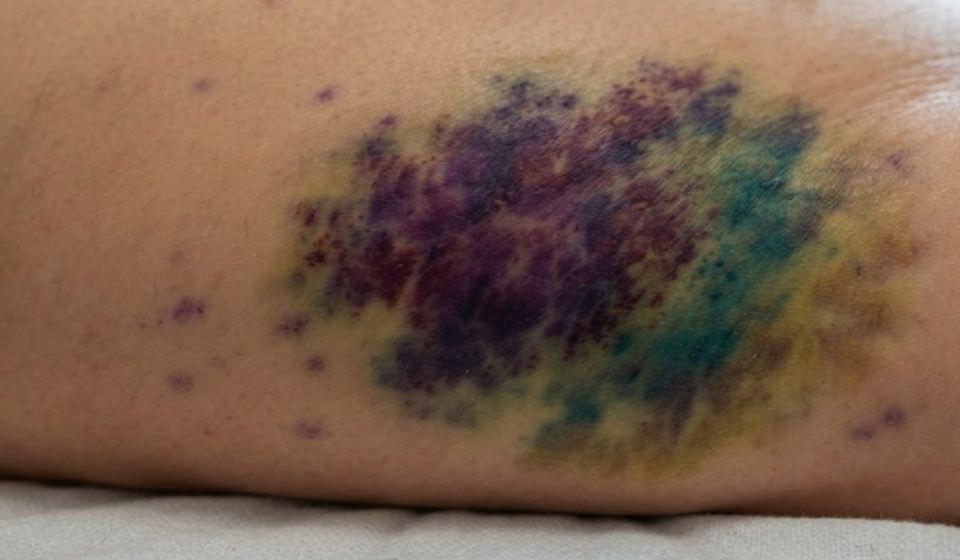
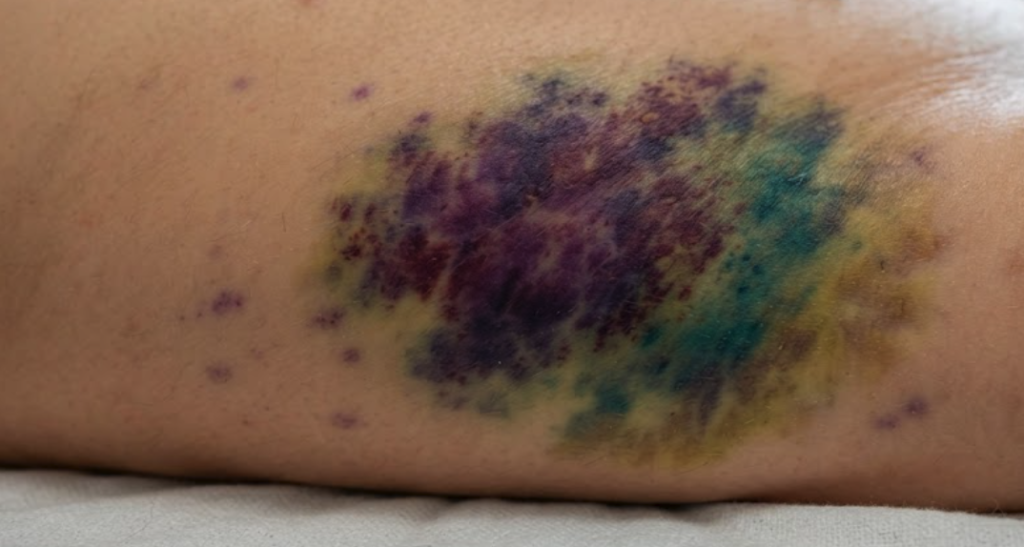
Bruising is simply blood outside the vessels.
Swelling is lymphatic fluid that cannot drain.
⭐ The Hidden Problem: Lymphatic Channels Are Extremely Fragile
Unlike arteries or veins, lymphatic vessels are:
- Thin
- Transparent
- Easily compressed
- Easily damaged
- Slow to regenerate
Even minor surgical manipulation can disrupt lymphatic flow for weeks.
This is why swelling lasts longer than bruising.
⭐ Which Surgeries Disrupt Lymphatic Flow the Most?
🔥 1) Facial Bone Contouring (Zygoma, V-line, Mandible)
These surgeries cut deep into soft tissue planes where lymphatic channels run.
🔥 2) Liposuction (Abdomen, Thighs, Arms)
Cannulas pass through lymphatic-rich layers.
🔥 3) Facelift / Necklift
SMAS elevation temporarily blocks lymphatic drainage.
🔥 4) Blepharoplasty (Upper/Lower Eyelid)
The eyelid has dense lymphatic networks.
🔥 5) Rhinoplasty
The nose drains into facial lymph nodes — swelling can last months.
🔥 6) Calf Reduction
The lower leg has slow lymphatic flow, making swelling persistent.
⭐ Why Some Patients Stay Swollen Longer Than Others
✔ 1) Lymphatic Density Differences
Some people naturally have fewer lymphatic channels.
✔ 2) Pre-existing inflammation
Allergies, sinus issues, or chronic swelling slow recovery.
✔ 3) Tight fascia
Restricts lymphatic movement.
✔ 4) High surgical trauma
More tissue disruption = slower drainage.
✔ 5) Poor postoperative movement
Lymphatic flow depends on muscle contraction.
✔ 6) Genetics
Some people simply drain slower.
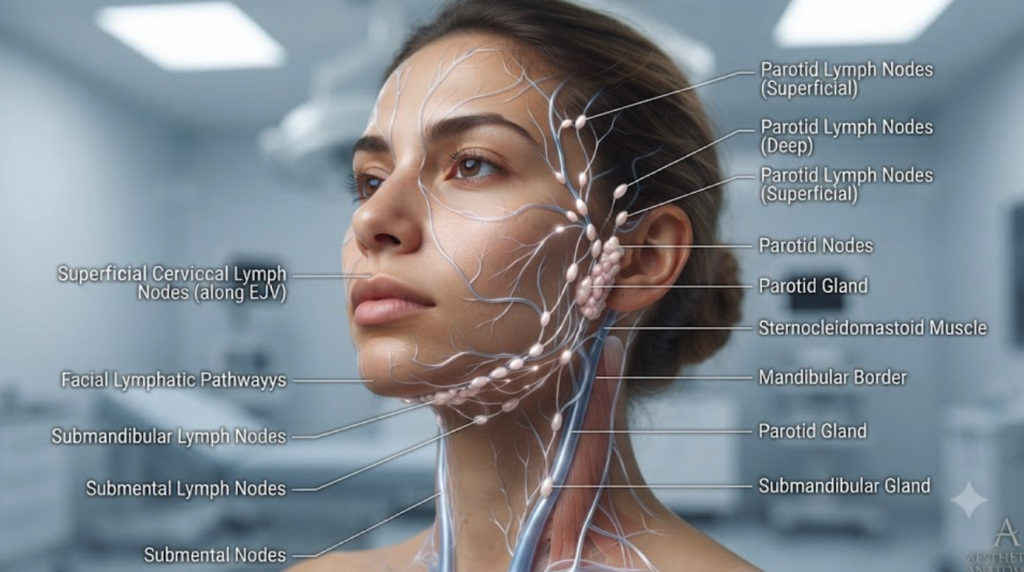
⭐ The Lymph Nodes That Matter Most After Surgery
Different surgeries affect different lymph node groups.
🔵 Face & Neck Surgery
- Submandibular nodes
- Parotid nodes
- Deep cervical nodes
🟠 Body Liposuction
- Inguinal nodes
- Axillary nodes
- Iliac nodes
🟢 Calf Reduction
- Popliteal nodes
- Tibial lymphatic channels
If these nodes are overloaded or blocked, swelling persists.
⭐ Why Bruising Sometimes Lasts Longer Than Expected
Bruising is not just blood — it is:
- Hemoglobin
- Bilirubin
- Iron deposits
- Cellular debris
The lymphatic system must clear all of this.
If lymphatic flow is slow, bruising stays visible longer.

⭐ Korean Clinics Use Lymphatic Recovery Protocols
Korea is one of the few countries where clinics actively treat lymphatic congestion after surgery.
Korean postoperative care includes:
✔ High-frequency therapy
Stimulates lymphatic movement.
✔ Lymphatic drainage massage
Manual stimulation of lymph flow.
✔ LED healing therapy
Reduces inflammation.
✔ Compression garment optimization
Supports lymphatic channels.
✔ Ultrasound-assisted recovery
Breaks down trapped fluid pockets.
✔ Anti-inflammatory injections
Reduces lymphatic overload.
This is why Korean patients recover faster.
⭐ Why Lymphatic Anatomy Explains “Long-lasting Swelling”
Some patients experience swelling for:
- 4 weeks
- 8 weeks
- 12 weeks
- Even 6 months
This is not abnormal.
It simply means:
Lymphatic channels are still regenerating.
Lymphatic regeneration can take:
- 2–4 weeks for minor surgery
- 6–12 weeks for moderate surgery
- 3–6 months for major surgery
This is normal physiology — not a complication.
⭐ How Patients Can Improve Lymphatic Recovery
General strategies doctors often consider include:
- Gentle walking
- Hydration
- Warm compresses
- Light massage
- Avoiding salt
- Avoiding alcohol
- Sleeping with head elevated
- Wearing proper compression garments
These support lymphatic flow but do not replace professional medical advice.
⭐ Swelling and Bruising Are Not Just “Healing Speed” — They Are Lymphatic Anatomy
Most patients think swelling is random.
But in reality, it is anatomically predictable.
The lymphatic system determines:
- How fast swelling resolves
- How long bruising lasts
- How smooth the final result looks
- How comfortable recovery feels
Korea’s advanced lymphatic recovery protocols are the reason Korean postoperative results look cleaner, smoother, and faster.
Understanding lymphatic anatomy is the key to understanding healing.
🔗 Expert Resources & Professional References
✔ Korean Doctor Interview Archive
✔ Homme & Femme Plastic Surgery (Rhinoplasty Specialist)