
When foreign patients choose Korea for plastic surgery, they often ask about anesthesia safety, complication management, and emergency response.
But there is one system that most international patients have never heard of — yet it is one of Korea’s strongest medical advantages:
The Heart Shaver System.
In Korea, “Heart Shaver” refers to a comprehensive emergency response framework designed to detect, prevent, and treat life‑threatening cardiac events during medical procedures.
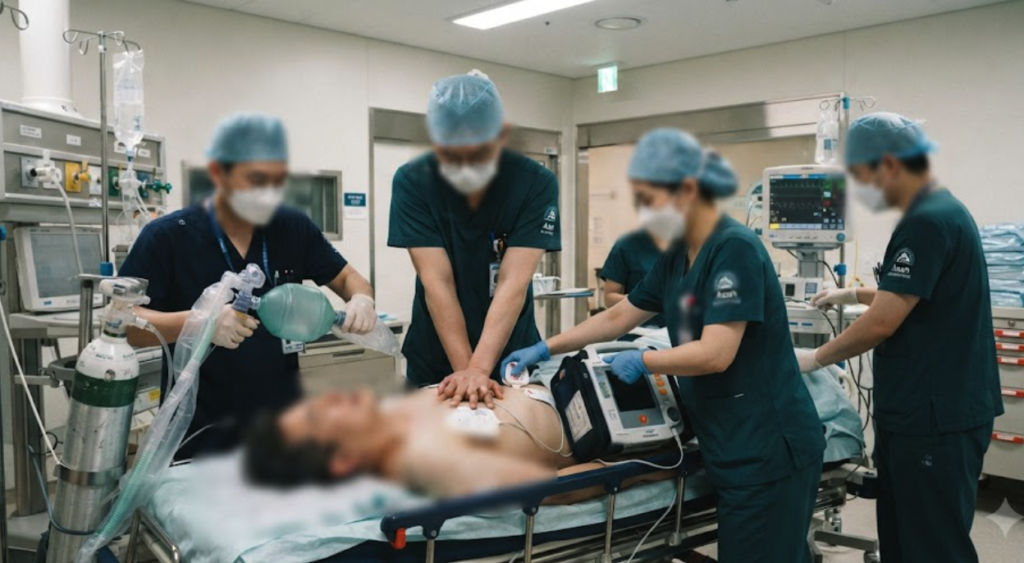
It is not just a single device — it is a full ecosystem of:
• advanced cardiac monitoring equipment
• emergency protocols
• trained specialists
• rapid intervention systems
• hospital coordination networks
This guide explains why Korea’s Heart Shaver system is considered one of the safest and most advanced in the world, and why foreign patients can feel confident undergoing surgery in Korea.
★ 1. What Is the Heart Shaver System?
The Heart Shaver system is Korea’s integrated cardiac emergency response protocol used in:
• plastic surgery clinics
• dermatology clinics
• general hospitals
• surgical centers
It includes:
• real-time cardiac monitoring
• early detection of arrhythmia
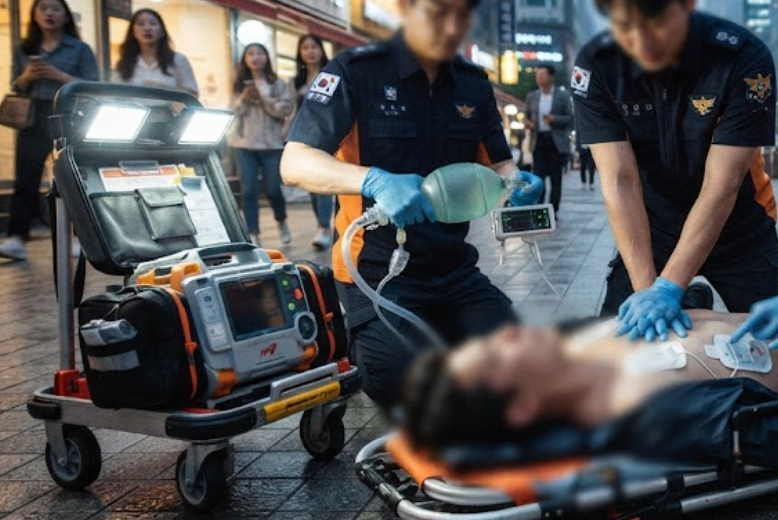
• rapid response to cardiac arrest
• emergency airway management
• defibrillation readiness
• oxygen stabilization
• anesthesia complication intervention
In many countries, clinics rely on basic monitoring.
Korea goes far beyond that — combining technology + training + protocols into one unified system.
★ 2. Why Korea Developed the Heart Shaver System
Korea performs millions of cosmetic procedures every year.
With such high volume, Korea invested heavily in:
• preventing cardiac emergencies
• detecting early warning signs
• responding instantly to complications
• minimizing anesthesia risks
• improving patient survival rates
The Heart Shaver system was developed to ensure zero tolerance for preventable emergencies.
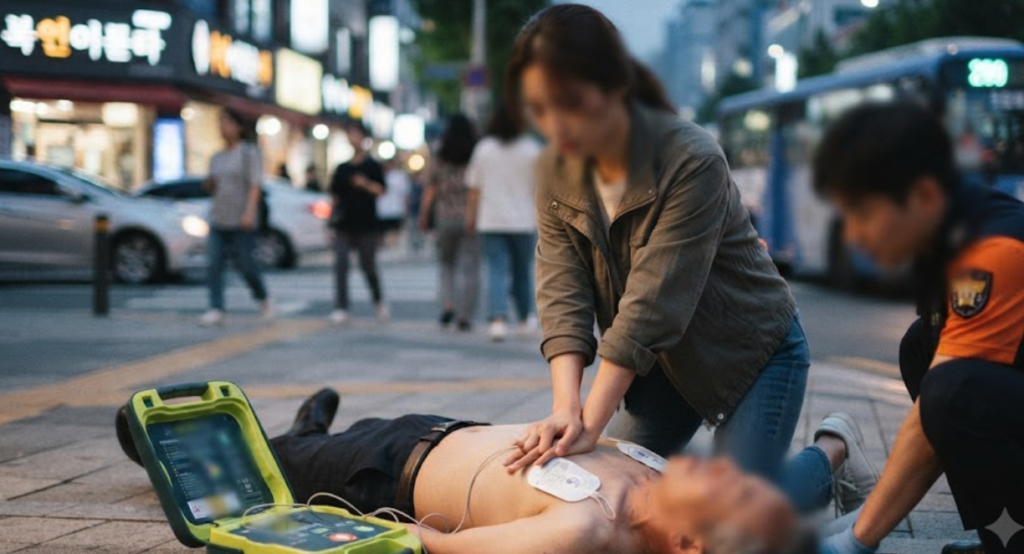
★ 3. Advanced Cardiac Monitoring Equipment Used in Korea
Korean clinics use high-end cardiac monitoring devices such as:
• ECG (electrocardiogram)
• SpO₂ oxygen saturation monitors
• CO₂ respiratory monitors
• BIS brain activity monitors
• AED (automated external defibrillators)
• blood pressure monitors
• arrhythmia detection systems
These devices allow clinics to detect:
• irregular heartbeat
• oxygen drops
• anesthesia complications
• respiratory issues
• early signs of cardiac arrest
Foreign patients often say Korean monitoring feels “hospital-level,” even in private clinics.
★ 4. Heart Shaver Protocols: Korea’s Step-by-Step Emergency System
Korea’s Heart Shaver protocol includes:
Step 1: Pre-Operative Cardiac Assessment
• medical history review
• ECG if needed
• allergy check
• anesthesia risk evaluation
Step 2: Real-Time Monitoring During Surgery
• continuous ECG
• oxygen saturation tracking
• BIS monitoring
• respiratory rate monitoring
Step 3: Early Warning Detection
If any abnormal signs appear, the system alerts:
• anesthesiologists
• surgeons
• emergency staff
Step 4: Immediate Intervention
Korean clinics respond within seconds using:
• oxygen supply
• airway management
• emergency medications
• defibrillation (if needed)
Step 5: Rapid Hospital Transfer (If Required)
Korea’s 119 system and hospital network allow:
• fast ambulance dispatch
• priority acceptance
• seamless handover
This structured protocol is one of the strongest in Asia.
★ 5. Why Korea’s Heart Shaver System Is Better Than Other Countries
Compared to other medical tourism destinations:
United States
• strong hospital system
• but private clinics vary widely
• emergency equipment not always mandatory
Thailand / Turkey / Mexico
• popular for medical tourism
• but emergency protocols differ by clinic
• monitoring equipment often basic
Korea
• strict national regulations
• mandatory emergency equipment
• advanced monitoring technology
• anesthesiologists always present
• rapid hospital transfer system
• dense hospital network
• extremely low fatality rate
Korea’s system is standardized, regulated, and enforced, making it uniquely reliable.
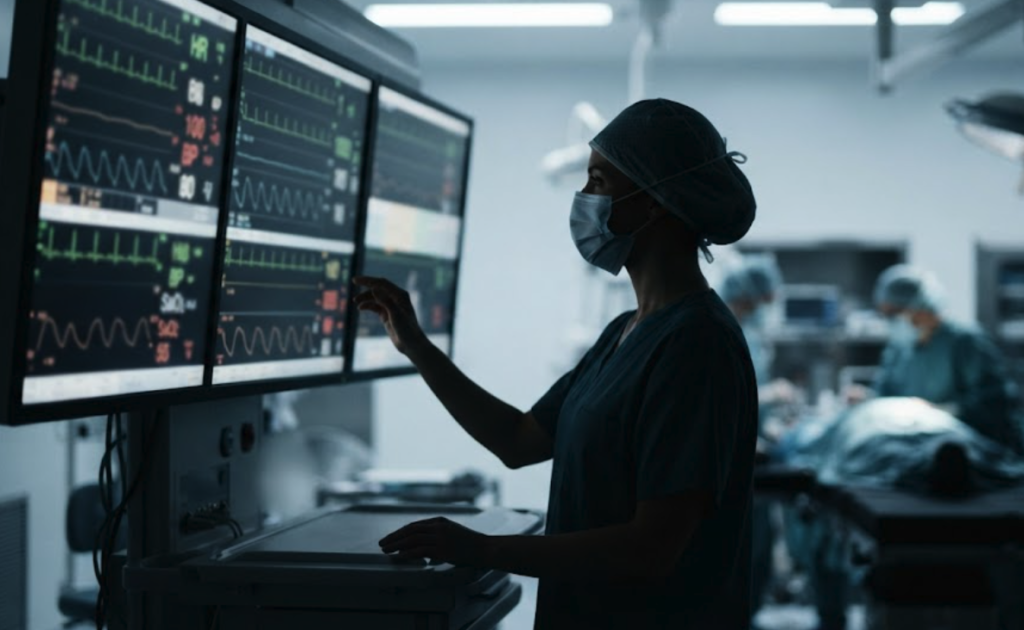
★ 6. Real Cases Where Heart Shaver Saved Patients
Foreign patients often share stories like:
• sudden arrhythmia detected early
• oxygen drop corrected instantly
• anesthesia complications reversed quickly
• rapid transfer to a major hospital
• full recovery thanks to fast intervention
These cases highlight Korea’s ability to respond within seconds —
a speed that saves lives.
★ 7. Why Foreign Patients Feel Safe in Korea
Foreign patients consistently report:
• “Korea’s monitoring feels more advanced than my home country.”
• “The staff reacted instantly when something changed.”
• “I felt safe because the anesthesiologist never left my side.”
• “The clinic had emergency equipment I’ve never seen before.”
This confidence comes from Korea’s:
• advanced technology
• strict regulations
• highly trained specialists
• rapid emergency response
• structured protocols
★ 8. Checklist for Foreigners Choosing a Safe Clinic in Korea
Foreign patients should confirm:
• Does the clinic have ECG and BIS monitoring?
• Is an anesthesiologist present during surgery?
• Does the clinic have AED and oxygen systems?
• Are emergency medications available?
• Does the clinic explain its emergency protocol?
• Does the clinic have a hospital transfer partnership?
If the answer is “yes” to all, the clinic is safe.
★ 9. Conclusion: Korea’s Heart Shaver System Is a Global Benchmark
Korea’s Heart Shaver system is one of the strongest emergency frameworks in the world because of:
• advanced cardiac monitoring
• strict national regulations
• highly trained anesthesiologists
• rapid intervention protocols
• fast hospital transfer networks
• dense emergency infrastructure
• extremely low complication rates
Foreign patients can feel confident that Korea provides one of the safest environments for surgery —
not only because of excellent results, but because of world-class emergency readiness.