

Korea has become one of the world’s most trusted destinations for medical tourism.
From plastic surgery and dermatology to dental care, wellness programs, and full medical checkups, Korea offers advanced technology, high safety standards, and transparent pricing.
Because of this, thousands of international patients visit Korea every year seeking reliable, fast, and high‑quality medical care.
However, Korea’s medical system is different from many other countries.
Foreigners often do not know what to prepare, what to check first, or how the system works.
This guide explains the very first things foreigners must understand and prepare before coming to Korea for medical purposes.
It is designed to help international patients avoid mistakes, save time, and ensure a safe and successful medical experience.

★ 1. Define Your Medical Purpose Clearly
The first and most important step for any foreigner planning medical travel to Korea is to define the purpose of the visit clearly.
Korea’s medical system is highly specialized, and each field has its own structure, process, and recommended locations.
International patients typically visit Korea for:
• plastic surgery
• dermatology treatments
• dental care
• medical checkups
• anti‑aging procedures
• wellness programs
• treatment for specific conditions
Each purpose leads to different choices:
• Plastic surgery → Gangnam, Apgujeong, Sinsa
• Dermatology → Apgujeong, Cheongdam, Sinsa
• Dental care → Gangnam, Itaewon, Hongdae
• Medical checkups → Large hospitals (Samsung, Asan, Seoul National University Hospital)
• Wellness → Korean medicine clinics, spa‑medical centers
Without a clear purpose, patients often waste time, choose the wrong clinic, or receive incomplete information.
★ 2. Contact Clinics Directly (Avoid Brokers Completely)
One of the biggest mistakes foreign patients make is relying on brokers or unofficial agents.
Korea’s medical system is built on transparency, but brokers often distort prices and information.
Why brokers are risky:
• They inflate prices
• They are not medically trained
• They do not provide proper follow‑up care
• They may guide patients to clinics that pay commissions
• They create communication gaps between patient and clinic
Korean clinics do not charge foreigners more, but brokers do.
Foreigners should always contact clinics through:
• official websites
• official email
• official WhatsApp / KakaoTalk / Line
• official international patient centers
Direct communication ensures accurate pricing, safe medical guidance, and proper follow‑up care.
★ 3. Understand That Korea Does NOT Charge Foreigners More
Many foreigners assume Korea charges higher medical fees to non‑Koreans.
This is a misunderstanding.
Korean clinics never charge foreigners more.
Prices are the same for Koreans and foreigners.
Korean medical law prohibits nationality‑based price discrimination.
This is one of the reasons Korea is trusted globally.
Foreigners sometimes believe prices are higher because:
• brokers inflated the cost
• they saw exaggerated prices online
• they misunderstood package deals
• they compared premium clinics with general clinics
But the truth is simple:
Korea applies equal pricing to everyone.
★ 4. Plan Your Medical Schedule Carefully
Korea’s medical system is extremely fast and efficient.
Foreigners are often surprised by how quickly consultations, tests, and procedures are completed.
Typical Korean medical flow:
• registration
• consultation
• examination
• treatment or surgery
• follow‑up care
Many procedures can be done on the same day as consultation.
However, foreign patients must consider:
• swelling and recovery time
• stitch removal schedule
• follow‑up appointments
• possible re‑visits
• medication instructions
For plastic surgery, dermatology, or dental procedures, foreign patients should plan at least 5–10 days in Korea to ensure proper recovery and follow‑up care.
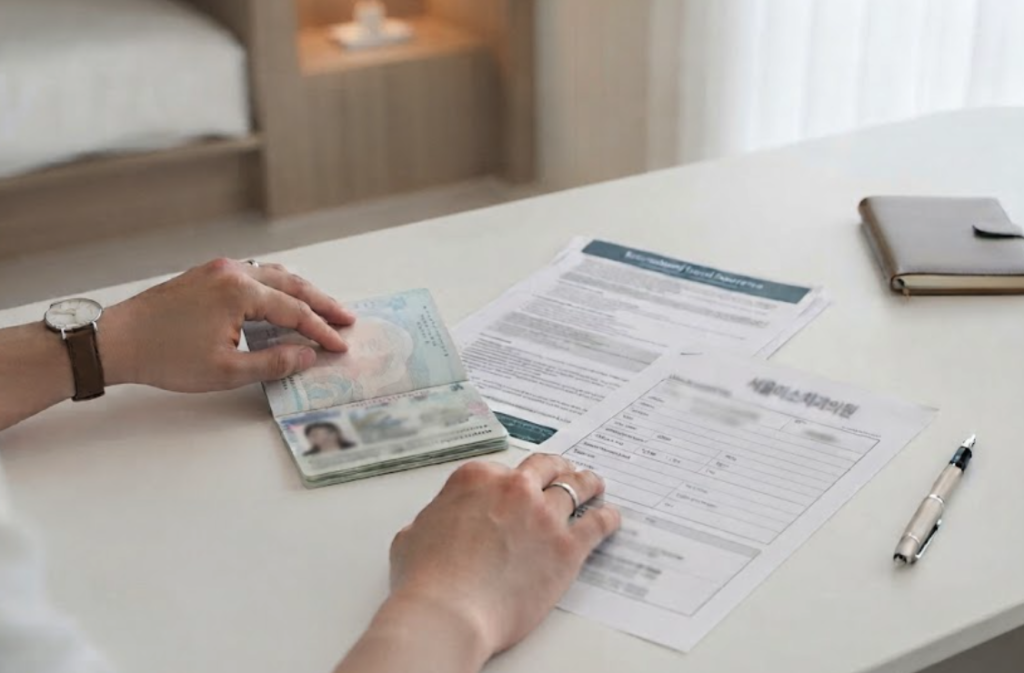
★ 5. Prepare Necessary Documents
Foreigners visiting Korea for medical purposes should prepare:
• passport
• visa (only for countries requiring it)
• clinic reservation confirmation
• medical history (optional but helpful)
• travel insurance documents
Most medical tourists can enter Korea with a standard tourist visa.
However, long‑term treatment may require additional documentation from the clinic.
★ 6. Know the Difference Between Tourist and Resident Insurance
Foreign tourists cannot use Korean National Health Insurance (NHIS).
Only long‑term residents, workers, and students can enroll.
Tourists should consider:
• travel insurance
• international medical insurance
• procedure‑specific coverage
Korean clinics accept foreign patients without insurance, but having travel insurance can reduce unexpected costs.
★ 7. Learn How Korea’s Medical System Works
Korea’s medical system has unique characteristics:
• extremely fast service
• advanced medical technology
• high safety standards
• clean and modern facilities
• transparent pricing
• multilingual coordinators
• structured follow‑up care
• strong government regulation
These features make Korea one of the safest countries for medical tourism.
★ 8. Choose the Right Medical Area in Seoul
Foreigners often visit specific neighborhoods known for medical services:
• Gangnam → plastic surgery, dental care
• Apgujeong → dermatology, premium clinics
• Sinsa → beauty treatments, wellness
• Cheongdam → luxury medical centers
• Itaewon → English‑friendly clinics
• Jamsil → large hospitals
Choosing the right area saves time and improves the overall experience.
★ 9. Understand Korea’s Follow‑Up Care System
Korea’s follow‑up care is one of its strongest advantages.
Foreign patients appreciate the structured and attentive post‑treatment system.
Follow‑up care includes:
• swelling management
• stitch removal
• recovery room services
• progress monitoring
• photo documentation
• medication guidance
• emergency support
This level of care is rare in many countries, making Korea a preferred destination.
★ 10. Final Summary: What Foreigners Must Do First
Foreigners coming to Korea for medical purposes must:
• define their medical purpose clearly
• contact clinics directly
• understand Korea does not charge foreigners more
• plan enough time for recovery
• prepare necessary documents
• consider travel insurance
• learn how Korea’s medical system works
• choose the right medical area
• confirm follow‑up care details
Korea offers world‑class medical services with fairness, transparency, and safety.
With proper preparation, foreign patients can enjoy a smooth and successful medical journey.